
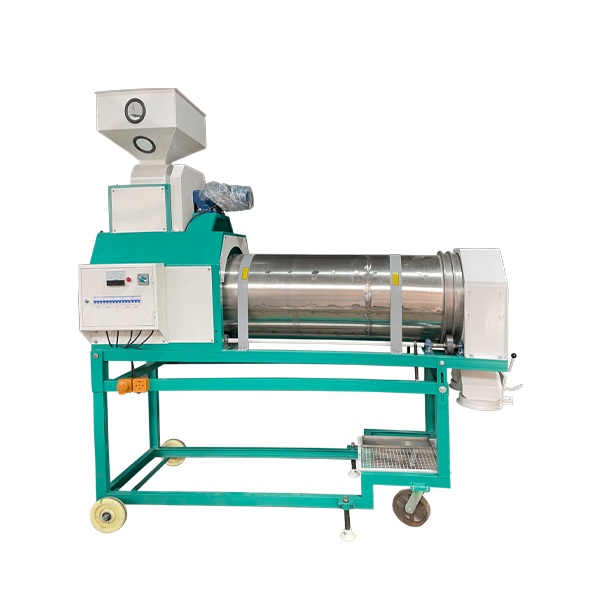
The seed coating machine is a core piece of equipment in seed processing; it applies a uniform coating—comprising fungicides, insecticides, nutrients, film-forming agents, and colorants—to the surface of pre-selected seeds, thereby creating a protective film. These machines fall into three main categories: continuous mass-production models, batch laboratory models, and fluidized-bed pelleting models. They are widely used in the processing of seeds for grains, oil crops, legumes, vegetables, and forage grasses.
I. Core Operating Principles
Metered Feeding: A hoist or hopper conveys seeds at a constant speed; flow rate is regulated by a variable-frequency drive to ensure stable feeding.
High-Speed Centrifugal Atomization: A metering pump delivers the seed coating agent to a high-speed spinning disc, atomizing the liquid into micron-sized droplets.
Tumbling, Mixing, and Film Formation
Drum Type: A stainless steel drum continuously tumbles the seeds, ensuring uniform droplet adhesion.
Vertical Centrifugal Type: Seeds fall in a curtain-like stream; a rotor agitates them without compression, preventing damage to the seed coat.
Fluidized Bed Type: Airflow suspends the seeds, resulting in an exceptionally uniform coating; ideal for precision pelleting.
Air-Drying and Discharge: Integrated airflow removes moisture, allowing the coating film to cure rapidly and preventing sticking or clumping.
II. Classification of Mainstream Models and Application Scenarios
Continuous Drum Type (Mainstay for mass production; the top choice for seed processing plants)
Structure: Bucket elevator + stainless steel drum + constant-temperature chemical tank + PLC-controlled metering pump + mobile frame
Capacity: 1–20 tons/hour (Mainstream models: 5 t/h, 10 t/h, 15 t/h)
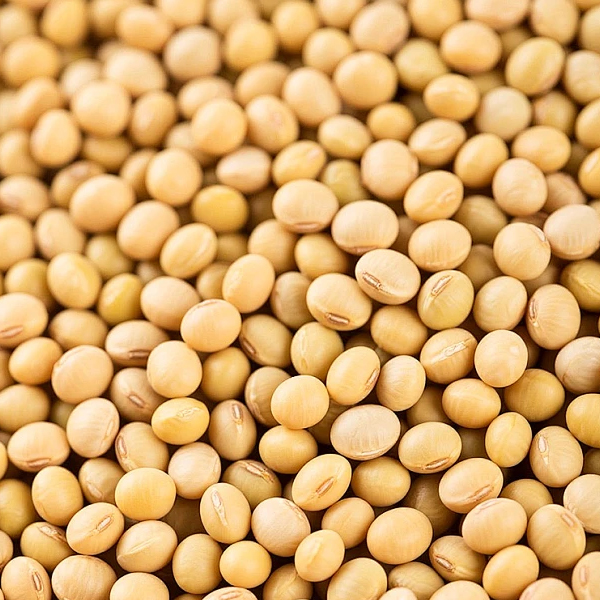
Suitability: Bulk grain and oil seeds such as wheat, corn, rice, soybeans, sesame, kidney beans, pinto beans, etc.
Advantages: Continuous assembly-line operation; infinitely adjustable chemical-to-seed ratio (ranging from 1:25 to 1:120); fully enclosed design to prevent chemical volatilization; corrosion-resistant 304 stainless steel construction; compatible with cleaning and grading production lines.
III. Standard Machine Configuration
Feeding System: Hoist, buffer hopper, variable-frequency quantitative feeder;
Chemical System: Temperature-controlled chemical tank, precision metering pump, high-speed centrifugal atomizing disc;
Mixing Unit: Stainless steel drum / centrifugal mixing chamber (corrosion-resistant, easy to clean);
Electrical Control System: Fully automatic PLC control; touchscreen adjustment of rotation speed and chemical-to-seed ratios;
Auxiliary Systems: Enclosed dust cover, air-drying fan, mobile swivel casters, automatic pipeline cleaning system.
IV. Core Equipment Advantages
Uniform coating, consistent seedling emergence
Full coverage via atomized chemicals; no exposed seeds or clumping; thin yet durable coating; germination rate increased by 8%–15%; reduced labor costs for replanting or thinning in the field.
Chemical savings and eco-friendliness; reduced costs
Precise, quantitative chemical application reduces usage by 30%; fully enclosed operation prevents chemical vapors from contaminating operators or the workshop.
Seed protection; minimized loss
Gentle mixing mechanism prevents seed coat scratches or kernel breakage; extremely low processing loss for high-value seeds such as legumes and oilseeds.
Versatile application; suitable for all seed types
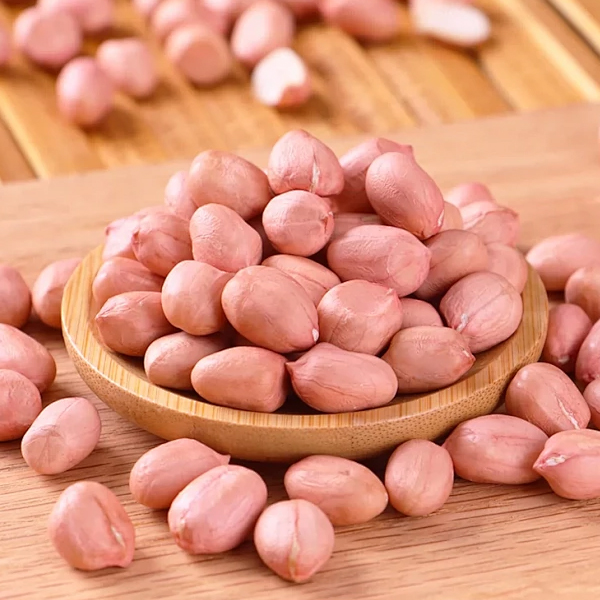
Compatible with wheat, corn, rice, sorghum, soybeans, peanuts, sesame, kidney beans, chickpeas, vegetables, and forage grasses; recipe switching is accomplished with a single click.
High level of automation
Continuous-operation models can integrate with seed cleaners, grading screens, and packaging machines to form a complete processing line, allowing a single operator to manage the entire system.
V. Practical Value of Coated Seeds
The coating contains insecticides and fungicides, protecting against underground pests and seed rot while reducing seedling-stage diseases;
Additives such as trace elements and rooting agents promote vigorous seedling growth and enhance stress resistance;
Color-coding distinguishes varieties to prevent mixing; increased surface friction makes seeds compatible with precision planters, reducing waste caused by excessive sowing rates.
VI. Integrated Production Line Configuration (Grain, Oilseed & Legume Processing)
Air-Screen Cleaner → Gravity Destoner → Grading Screen → Seed Coater → Dryer/Buffer Silo → Quantitative Packaging Machine
Suitable for the standardized processing of export-grade seeds—including sesame, soybeans, kidney beans, pinto beans, and corn—meeting the requirements of overseas seed processing facilities.
Complete seed cleaning process: Raw material intake → Air-screen cleaning → Gravity destoning → Precision grading → Seed coating → Buffer storage and packaging.
The seed coater is a piece of finishing and protective equipment used after the cleaning and sorting stages. Situated at the end of the seed cleaning line, it applies a coating to seeds that have already been cleaned, graded, and purified; it is an essential step in the standardized processing of high-quality seeds.
Post time: Jul-10-2026