
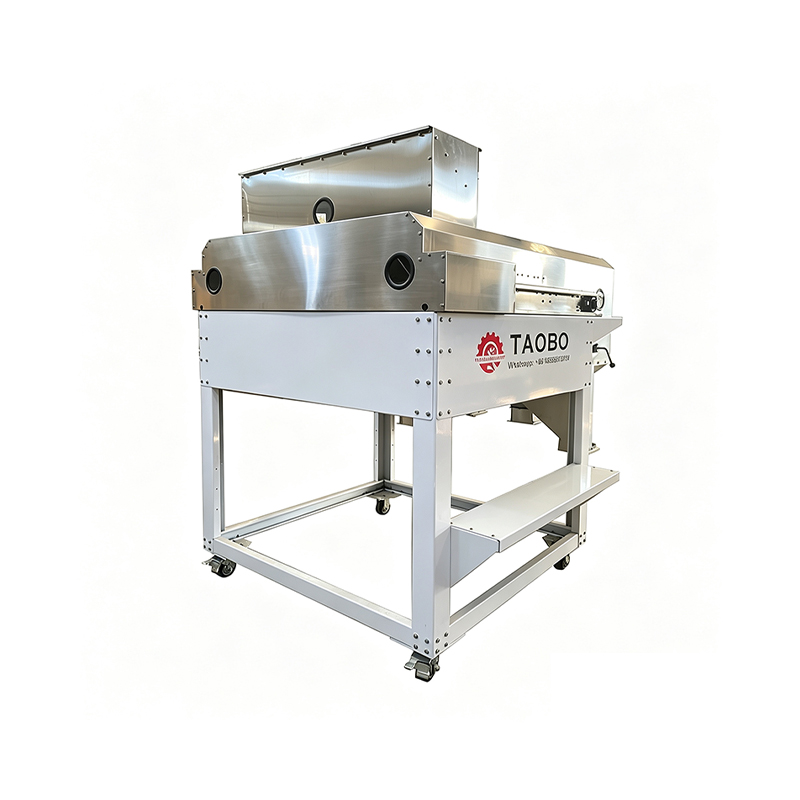
1. Grain Soil Separator
The soil separator (soil separation machine) is specialized cleaning equipment designed to remove mud clumps, soil clods, dry soil, and silt/sand from raw grain. Unlike standard gravity-based destoners—which focus on removing stones—soil separators target soil-based impurities. They are typically positioned after the initial cleaning stage and before air-screen cleaning to process soil, clods, fragments, and sand introduced during harvesting and drying.
2. Main Structure
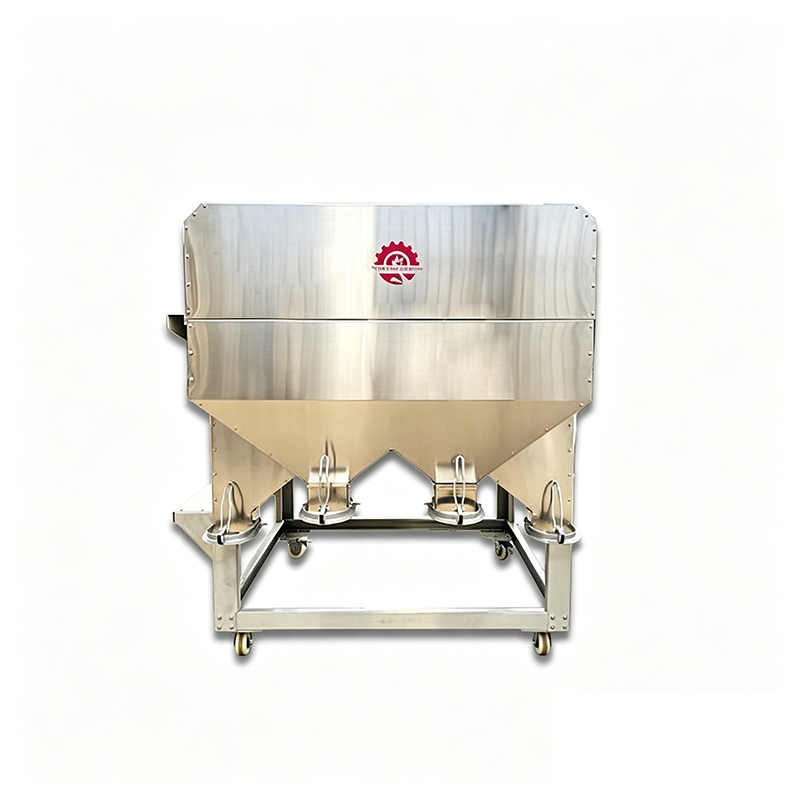
Includes a uniform feeding mechanism, a vibration assembly for breaking up mud clumps, a multi-layer vibrating screen set, an air-separation and dust-removal system, a gravity separation deck, multiple impurity discharge outlets, and a frame/drive system. Some models feature optional magnetic separation components to capture soil-encrusted brick fragments and iron filings.
3. Working Principle
Operates based on a combination of vibration-induced breakup, size-based screening, air-separation dust removal, and gravity-based stratification: vibration shatters clumped soil; screens separate large clods from fine soil based on particle size; airflow removes airborne dust; and the gravity deck separates mud clumps that are similar in size to the grain but differ in density.
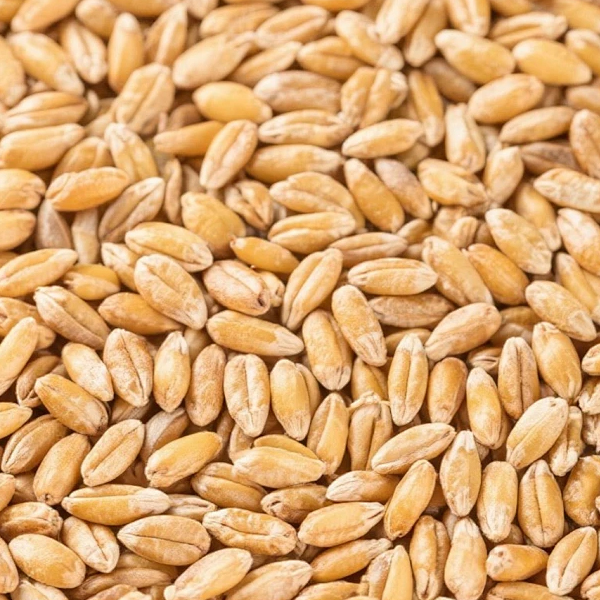
Complete Workflow
1. Uniform Feeding
An elevator delivers raw grain into the feed hopper. An adjustable feeding mechanism controls the flow rate, spreading the material into a uniform, thin layer to prevent piling and ensure effective breakup and separation.
2. Mud Clump Breakup
Material enters the high-frequency vibration zone. Through the reciprocating vibration of the screen body and inter-particle collisions, soil adhering to grain surfaces and clumped mud masses are shattered; large, hard clods remain intact, while moist mud clumps are broken down into fine soil particles.
3. Size-Based Screening
Material flows across multiple screen layers: the top screen retains large clods and mud lumps, discharging them through the large-impurity outlet; the middle screen retains the grain kernels; and the bottom screen (with fine perforations) allows shattered fine soil and sand to pass through, discharging them via the fine-impurity outlet. 4. Air-based Dust and Surface Soil Removal
As the material falls to form a grain curtain, a fan generates an airflow that passes through the material layer, blowing away loose soil and dust adhering to the grain surfaces; the airborne dust is captured by a collection system, thereby reducing on-site dust emissions.
5. Specific Gravity Separation (Separation of Soil Clods)
Soil clods similar in size to the grain cannot be removed by screens alone; instead, the material enters an inclined specific gravity separation deck. Deck vibration combined with an upward airflow causes the material to stratify: denser soil clods and sandy soil clumps sink to the deck surface and are discharged toward the heavy-impurity outlet via vibration, while the grain remains suspended in the upper layer and flows toward the clean grain outlet.
6. Auxiliary Sorting
For models equipped with a magnetic separation module: brick fragments mixed with soil and iron-rich soil clumps are attracted to and separated by a magnetic roller. Once the cleaning process is complete, the clean grain is conveyed to the next stage of processing, while the various soil impurities are discharged through their respective outlets.
Core Functions of the Equipment
1. Targeted Removal of Soil-Based Impurities
Removes large mud clods, lumps, soil fragments, sand, and surface dust from grains; lowers the soil content of raw grain and addresses contamination issues arising from harvesting and drying processes.
2. Protection of Downstream Processing Equipment
Soil and sand particles are highly abrasive and can damage hulling, milling, and color-sorting equipment; separating these impurities beforehand reduces mechanical wear, minimizes jamming or clogging, and extends equipment service life.
3. Improvement of Finished Grain Quality
Reduces ash, sand, and soil content in the final product; ensures compliance with standards for grain procurement, seed processing, and export purity; and minimizes the issue of grit (causing a gritty mouthfeel) in the grain.
4. Reduction of Load on Subsequent Equipment
Diverts soil impurities early in the process, alleviating the processing burden on air-screen cleaners, gravity destoners, and color sorters, thereby increasing the overall efficiency of the production line.
5. Mitigation of Storage Risks
Soil carries dust and microorganisms; separating soil impurities reduces the risk of mold growth, enhances grain storage stability, and improves the dust environment within the processing facility.
Post time: Sep-21-2026