
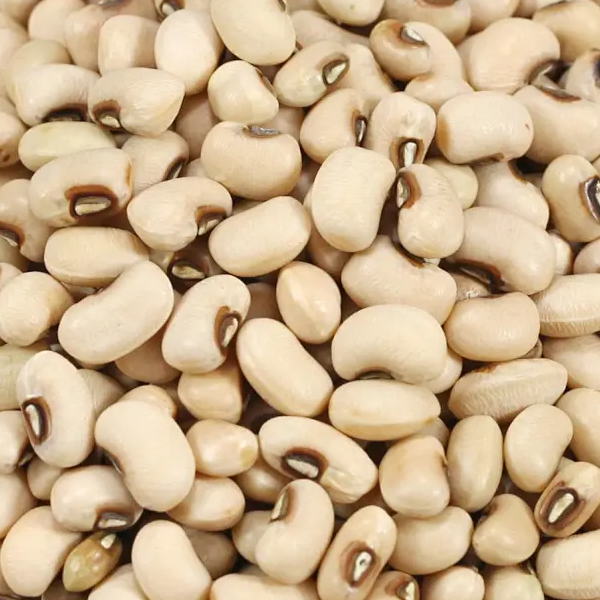
I. Cleaning of Legumes (Soybeans, Mung Beans, Adzuki Beans, Pinto Beans, Chickpeas, etc.)
Complete Process Flow
Material is fed via a bucket elevator; pre-aspiration removes light impurities such as floating dust, bean skins, and shriveled beans.
Material is evenly distributed onto an inclined “fish-scale” screen surface; the screen body vibrates reciprocally while an upward airflow penetrates the material layer from below.
Automatic Grading: Stones and mud clods sink to the bottom layer against the screen plate and move upward toward the stone-collection zone at the high end due to the screen’s inertial action; legumes remain suspended in the upper layer and flow toward the clean-product outlet at the low end under gravity.
Stones enter a precision separation zone for secondary sorting; any entrained beans fall back onto the main screen surface, while stones and grit are continuously discharged.
Clean legumes are discharged and sent to the next processing stage (color sorting/packaging).
Commissioning Reference Parameters
Screen inclination angle: 10°–13°
Airflow velocity: 1.8–2.5 m/s; damper opening: 40%–60%
Vibration: Medium frequency, medium amplitude; moderate feed thickness with a stable material layer.
Cleaning Performance
Removal rate of “companion stones” (stones similar in size to beans) ≥99%; virtually all visible grit and stones are removed.
Capable of simultaneously removing some mud clods and heavy soil aggregates.
Bean content in rejected stones: ≤80 grains per kilogram of stones/grit; minimal grain loss under normal operating conditions.
Advantages: Large bean particle size and good flowability result in clear separation boundaries, stable operation, and high throughput.
Limitations: Fine sand (with particle sizes much smaller than the beans) cannot be removed; fine sand removal requires subsequent gravity separation or washing.
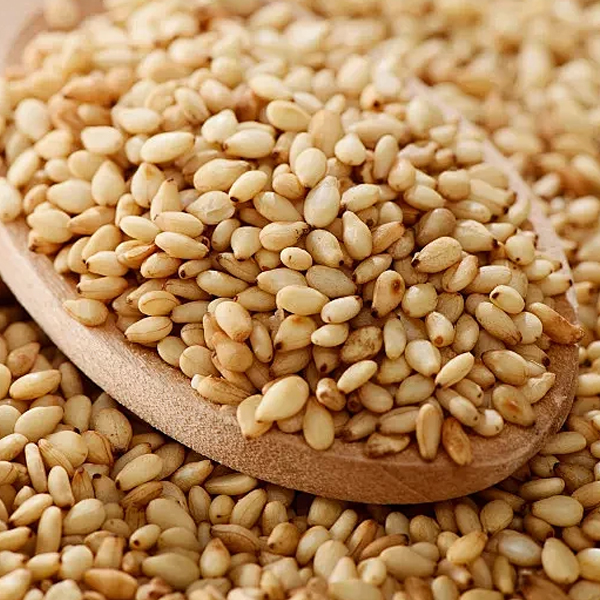
II. Sesame Cleaning (Applicable to both raw and hulled sesame seeds)
Sesame seeds are tiny, lightweight, and have a low suspension velocity; therefore, parameters used for beans cannot be directly applied. A small-scale gravity destoner specifically designed for sesame is the preferred choice.
Complete Process Flow
Elevated feeding; initial high-intensity air separation to remove sesame hulls, weed seeds, dust, and broken seeds;
Material spread in a thin layer onto the destoning screen; low-amplitude, high-frequency vibration ensures gentle fluidization, preventing seeds from being blown away by the airflow;
Separation: Stones and fine sand sink and move upward along the screen surface; lightweight sesame seeds remain suspended and flow downward to the discharge point;
Extended retention time in the stone-accumulation zone minimizes sesame loss (carry-over);
Discharge of cleaned sesame;
Important Note: Feeding in thick layers is strictly prohibited, as it easily leads to “material drifting” or “seed carry-over” (seeds escaping with the stones).
Reference Parameters for Setup
Screen inclination: 8°–10° (shallower angle than for beans)
Airflow velocity: 1.0–1.5 m/s; damper opening: 30%–40% (excessive airflow will blow the sesame seeds away)
Vibration: High frequency, low amplitude; feed layer should be thin and uniform
Cleaning Performance
Removal rate for medium-sized stones/grit: 99%; limited capability for removing extremely fine river sand;
Pain Point: The specific gravity difference between sesame and fine sand is small, and particle sizes are similar; purely dry destoning struggles to completely eliminate fine sand. High-end export sesame often undergoes supplementary cyclone sand washing (wet method) to resolve the issue of grit (grittiness);
Loss Risk: Slight imbalances in airflow or feed rate can result in significant sesame loss at the stone discharge outlet;
Application Scenario: Dry pretreatment to remove obvious stones and soil clumps; for a sand-free finished product, a combination of dry destoning followed by washing or color sorting is recommended.
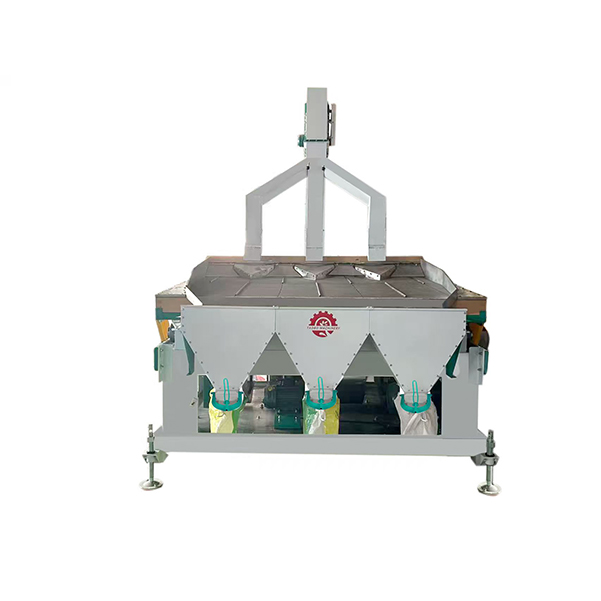
Working Principle of the Specific Gravity Destoner for Cleaning Sesame and Legumes
The specific gravity destoner separates grain from stones and grit by leveraging differences in material density, combined with reciprocating vibration, upward airflow for fluidization, and the guiding action of a fish-scale screen surface. While sesame seeds and legumes differ in their specific material properties, the underlying operating principle remains the same.
General Operating Principles
Fluidization and Stratification
A fan generates an upward airflow that passes through the fish-scale screen, causing the material to enter a suspended, fluidized state.
Stones, clods of dirt, and heavy grit—which have higher specific gravity—experience less buoyant force from the airflow and sink to rest directly against the screen plate.
Legumes and sesame seeds—which have lower specific gravity—remain suspended in the upper layer of the material bed.
Vibration and Fish-Scale Screen Guidance
The screen body undergoes reciprocating vibration, and the raised fish-scale fins on the screen surface provide directional guidance:
Heavy impurities (such as stones) resting against the screen plate are caught by the fish-scale fins and conveyed upward toward the high end of the screen (the stone discharge outlet).
Suspended seeds in the upper layer are not continuously pushed by the fins; instead, relying on gravity and the screen’s inclination, they slide downward toward the low end (the clean product outlet).
Secondary Purification in the Stone Accumulation Zone
Stones and grit gather at the high-end precision separation zone, where auxiliary airflow is applied. Any seeds mixed in with the stones are lifted by the airflow and fall back onto the main screen for re-sorting, while the stones are continuously discharged, thereby minimizing seed loss.
Summary of the principle: Airflow stratifies the material, while vibration and the fish-scale screen cause light and heavy materials to move in opposite directions, achieving the separation of seeds from stones.
Post time: Jul-22-2026