
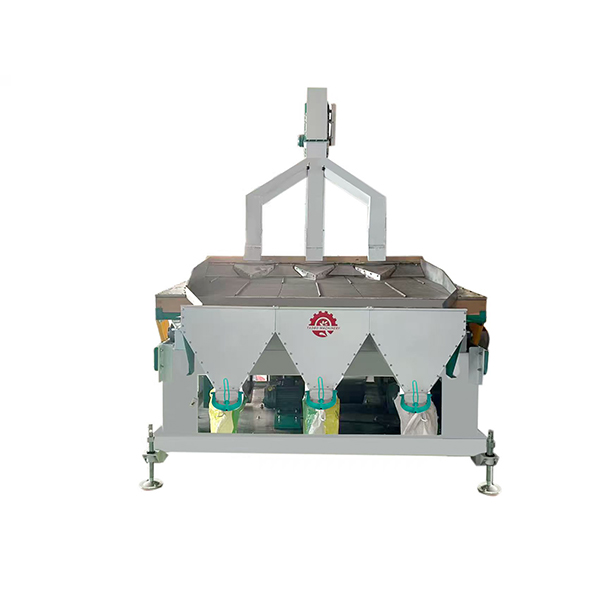
I. The Core Importance of Destoners in Grain and Legume Cleaning Equipment
Destoners are key pieces of equipment in the pre-treatment stage of grain/legume processing.Gravity destoner can remove the stones from sesame, Beans Groundnuts and Rice with high performance.
TBDS-7 / TBDS-10 blowing type gravity de stoner is to separate stones through adjusting wind, Larger proportion material stone will be moved from bottom to upper position on the gravity table, the final products such as grains, sesame seeds and beans will flow to the bottom of the gravity table.
1. Ensuring Product Quality and Safety (Core Value)
Removing Harmful Impurities: Heavy impurities such as stones, bricks, metal shavings, and glass fragments mixed in grains/beans can cause severe wear and tear on the toothed rollers, screens, and grinding discs of subsequent processing equipment (such as rice mills, flour mills, and crushers), even leading to jamming or damage, significantly increasing equipment maintenance costs and downtime.
Preventing Finished Product Contamination: Hard impurities such as stones entering finished products (such as rice, flour, bean flour, and edible beans) can affect the product’s taste (e.g., a gritty texture) and even cause food safety incidents (e.g., damage to teeth and digestive tract), directly impacting brand reputation.
2. Improving Processing Efficiency and Capacity
Reducing Equipment Load: Heavy impurities increase the operating resistance of subsequent equipment, leading to increased energy consumption and decreased throughput (e.g., stones occupy processing space in rice mills, reducing grain throughput efficiency).
Optimizing Process Continuity: The efficient separation of the destoner prevents impurities from accumulating in subsequent processes, reducing the risk of downtime such as screen blockage and equipment jamming, ensuring continuous and stable operation of the production line.
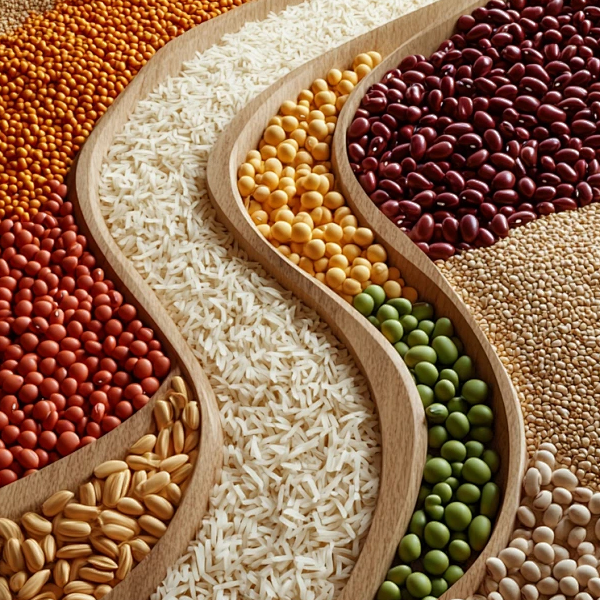
3. Ensuring Processing Precision and Product Grade
Grain Processing: For example, in rice processing, stones have a similar density to brown rice but are harder. If not completely removed, they can scratch the rice grains during milling, increasing the broken rice rate and reducing the head rice rate (directly affecting rice grade and selling price).
Legume Processing: Residual stones in edible beans (such as soybeans, red beans, and mung beans) can affect the precision of peeling and sorting, resulting in impurities in the finished product and reducing the first-grade product rate. Stones in oilseed beans (such as soybeans and peanuts) can wear down the oil press screw, affecting oil yield and oil purity.
4. Reduce storage and transportation costs. Heavy impurities such as stones have a high density (approximately 2.6 g/cm³, far exceeding the 1.1-1.3 g/cm³ of grains). If mixed with raw materials, they increase storage space occupancy and transportation energy consumption (for example, if 1% of 1000 tons of wheat contains stones, an additional 2 tons of impurities need to be transported, wasting transportation capacity).
Avoid storage hazards: When stones are stored mixed with grains, they easily clump together at the bottom of the storage silo, affecting ventilation and indirectly increasing the risk of grain mold.
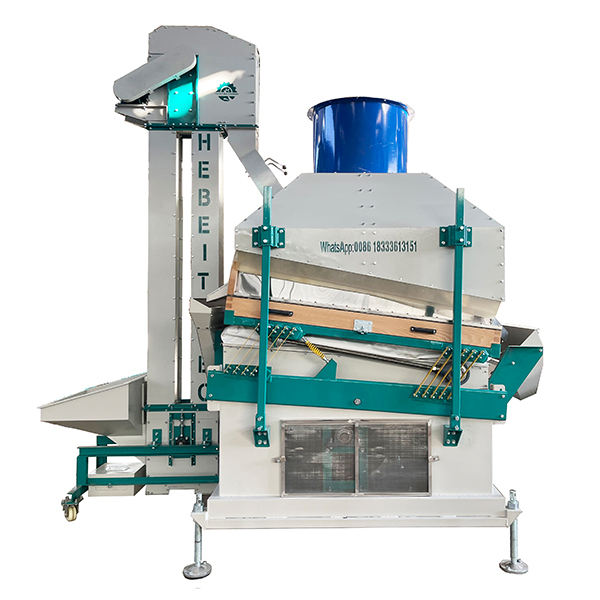
II. Main Materials Processed by Destoning Machines (Classified by Product Type) The core adaptation logic of destoning machines is based on the “density difference between materials and impurities.” Therefore, they primarily process granular grains/legumes with a density of approximately 1.1-1.3 g/cm³, specifically including:
1. Cereals (Main Application Scenarios)
Rice (brown rice, paddy): The most typical material processed. Stones are the most common impurities encountered during rice planting/harvesting (paddy field soil easily mixes with rice ears);
Wheat (raw grain, cleaned wheat): Removes field stones and mud mixed in during harvesting, ensuring the precision of flour processing;
Corn (raw grain, corn grits): Cleans away stones and sand mixed in during corn cob threshing, preventing wear and tear on corn processing equipment (such as grits mills and starch processing equipment);
Barley, oats, sorghum: Primarily used for impurity removal before brewing and feed processing, improving the purity of raw materials.
2. Legumes (Edible Beans + Oilseed Beans)
Edible beans: Soybeans (edamame, dried soybeans), red beans, mung beans, kidney beans, peas, broad beans, etc. Remove stones and soil mixed in during cultivation to ensure food safety and processing quality (e.g., bean products, canned beans);
Oilseed beans: Peanuts (with shell/shelled), rapeseed, sesame seeds, etc. Remove stones to avoid wear and tear on the oil press and prevent impurities from affecting oil filtration.
3. Other Granular Raw Materials
Grains: Millet, black rice, buckwheat, quinoa, etc., niche but high-value, require precise stone removal to ensure product quality;
Seeds: Corn seeds, soybean seeds, vegetable seeds (e.g., pea seeds). Stone removal prevents damage to the seed germ and ensures seed purity (meeting seed grading standards).
Post time: Nov-24-2025