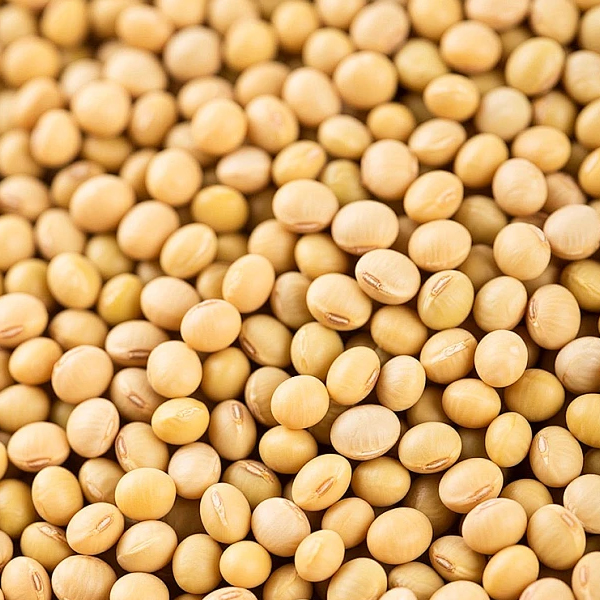
In the cleaning and processing of grains and legumes, the grading screen is a core primary cleaning and grading equipment. Its main function is to accurately screen materials based on differences in particle size and shape, while simultaneously performing initial impurity separation. This lays a uniform and pure material foundation for subsequent processes such as cleaning, shelling, milling, and packaging. It is an indispensable pre-processing equipment in legume and grain cleaning production lines, suitable for processing various granular grains and oil crops such as soybeans, mung beans, peas, wheat, and corn.
1. Precise grading by particle size, unifying material specifications
This is the most core function of the grading screen. By replacing screens with different apertures and types (such as perforated screens and woven screens), mixed grains/legumes are separated into multiple grades based on particle size and length. For example, soybeans can be screened into large, medium, and small grains; wheat can be separated into whole grains, half grains, and broken grains; and mung beans can have undersized shriveled grains and oversized irregularly shaped grains removed. The graded materials have uniform specifications, which not only meet the process parameter requirements of subsequent processing (such as legume shelling and grain milling), avoiding poor processing results due to uneven material size (such as incomplete shelling and inconsistent milling accuracy), but also provide a basis for pricing and packaging finished products by grade, enhancing the commercial value of the product.
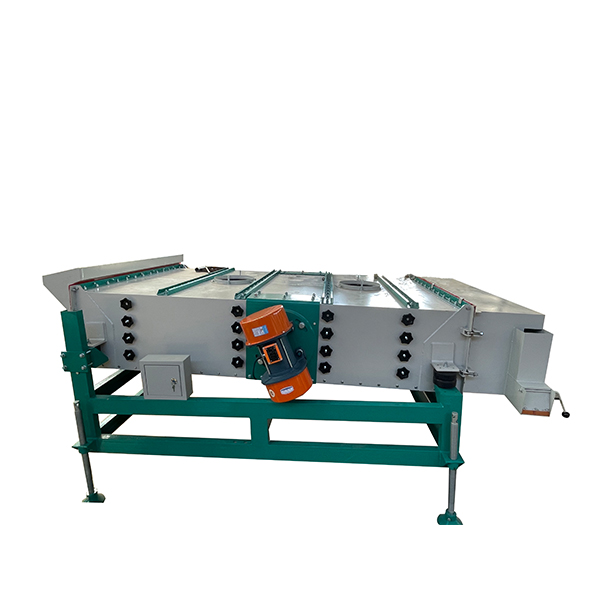
2. Preliminary cleaning, separating impurities with different sizes
While grading, the grading screen simultaneously separates light and heavy impurities that have significantly different shapes and sizes from the material, completing the initial cleaning process and reducing the load on subsequent fine cleaning equipment (such as gravity destoners, magnetic separators, and cleaning screens). For example, it screens out fine sand, soil particles, and weed seeds mixed in legumes, as well as straw fragments, husks, and small stones in grains, and also removes oversized impurities (such as pods in legumes, and wheat ears and straw segments in grains), achieving preliminary separation of materials and size-related impurities, and improving material purity. 3. Adapting to subsequent processing steps and improving overall production line efficiency
The screening results of the grading sieve directly determine the processing efficiency and finished product quality of subsequent processes:
For legume processing, when uniformly sized particles enter the shelling and polishing equipment after grading, the shelling rate is higher, polishing is more uniform, and the generation of broken beans is reduced; when entering the cleaning equipment, due to the uniform material specifications, the accuracy and speed of cleaning are greatly improved, and specific gravity impurities (such as stones) can be removed more efficiently.
For grain processing, the separated whole grains and broken grains can enter different processing lines (whole grains for rice milling, broken grains for feed/flour), improving raw material utilization; at the same time, the screened-out broken and shriveled grains can prevent them from clogging equipment and affecting processing accuracy in subsequent processes.
4. Screening out unqualified materials and removing defective products in advance
During the screening process, shriveled grains, insect-damaged grains, and undersized deformed grains in grains/legumes can be simultaneously removed. These materials either have no processing value or will affect the quality of the finished product. Removing them in advance can guarantee the purity and quality of the finished product from the source and reduce raw material loss in subsequent processes.
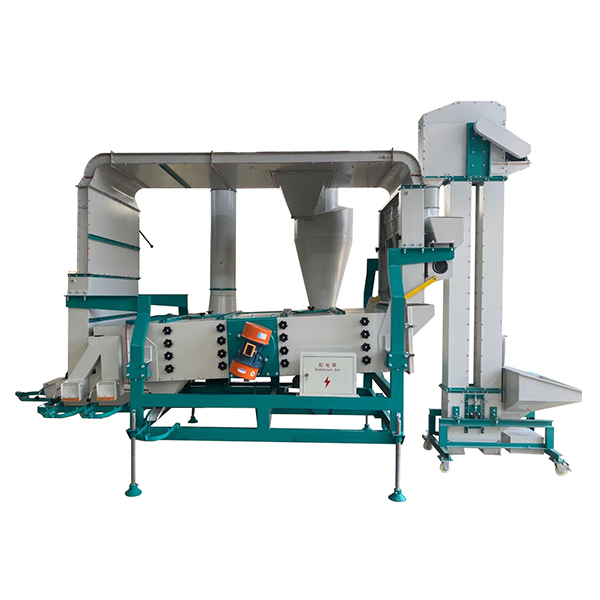
In the grain and legume cleaning process, in addition to grading screens, the remaining equipment is designed to remove impurities based on their characteristics (specific gravity, magnetism, shape, suspension properties, etc.). This equipment is combined with lifting and conveying auxiliary equipment to ensure continuous operation of the cleaning line. Based on their core impurity removal function, they can be divided into five main categories: cleaning and sorting, gravity separation, magnetic separation, air separation, and auxiliary equipment.
Air Screen Cleaner
Integrating air separation and screening functions, this is an integrated primary cleaning equipment. It first removes light impurities through airflow, and then separates size-based impurities (such as small stones and broken grains) through the screen surface. It replaces the combination of “air separator + grading screen,” saving space and suitable for small processing plants or mobile cleaning operations.
Gravity Separator
This machine can separate shriveled grains, insect-damaged grains, and moldy grains (these materials have a lower specific gravity than normal grains), and can also grade materials by specific gravity. It is suitable for scenarios requiring high purity of finished products (such as premium legumes and seed cleaning).
Destoner
The core impurities it handles are heavy impurities with a specific gravity greater than that of grains and legumes, such as stones, sand, mud lumps, metal fragments, and glass shards. It is a dedicated equipment for removing stones in the cleaning process and is essential for crops such as soybeans, mung beans, peanuts, wheat, and rice.
Post time: Feb-04-2026