
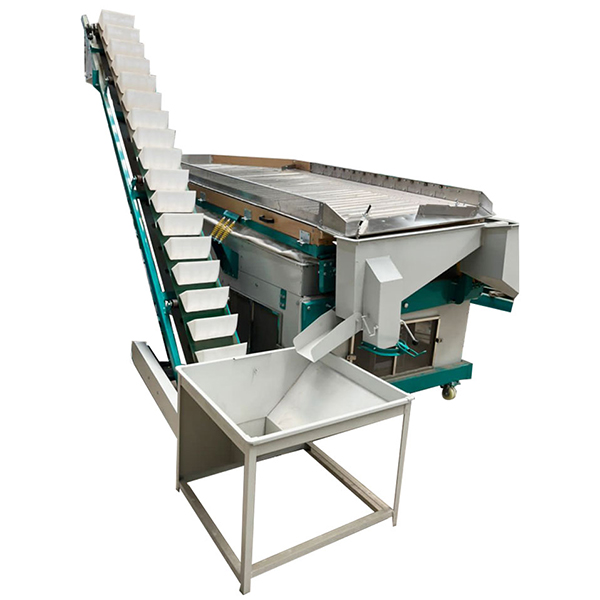
In the grain and legume cleaning and processing stage, gravity separators and destoners are two types of highly specialized equipment. Their core function is to remove impurities from raw materials, but they target different types of impurities and have different work objectives.
The Core Function of a Gravity Analyzer
A gravity analyzer primarily separates impurities from grains and beans based on the difference in specific gravity between the material and the impurities. These impurities are similar in size and shape to the raw material but differ in density. It also performs quality grading of the raw material.
Removal of Light Impurities: These include shriveled grains, insect-damaged grains, weed seeds, straw fragments, and dust in grains and beans. These impurities have a much lower specific gravity than qualified grains.
Removal of Heavy Impurities: Some gravity analyzers can separate moldy grains and diseased grains with a slightly higher specific gravity than qualified grains.
Quality Grading: While removing impurities, qualified grains can be classified into different grades according to specific gravity to meet various processing needs (such as seed selection and graded sales of commercial grains).
Its applications cover most grains and beans, including wheat, corn, soybeans, and peas, making it a key piece of equipment for improving the purity and commercial value of raw materials.
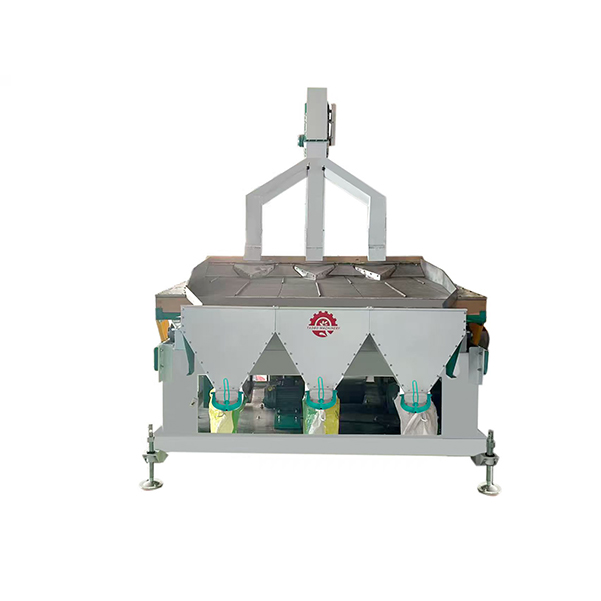
The Core Function of a Destoner
A destoner is a specialized cleaning device for sand and gravel impurities. Its core objective is to remove hard impurities with a density far exceeding that of grains, such as pebbles (similar in size to grains), mud, and clods of soil, from grains and beans.
Ensuring Processing Safety: Sand and gravel are extremely hard. If they enter subsequent milling, rice processing, or oil pressing equipment, they will severely wear down machine components such as screens, rollers, and blades, shortening the equipment’s lifespan. A destoner can prevent this damage at the source.
Improving Product Quality: Removing sand and gravel prevents stones from being mixed into finished grains (such as rice and flour), preventing tooth damage during consumption and meeting food hygiene standards.
Applicable Scenarios: Essential in the cleaning stages of crops such as rice, wheat, soybeans, and peanuts, especially in areas with high soil sand and gravel content, where a destoner is indispensable.
The core difference between a gravity analyzer and a destoner lies in the different materials they use for separation, and their power structures and operating environments are also specifically designed for each other.
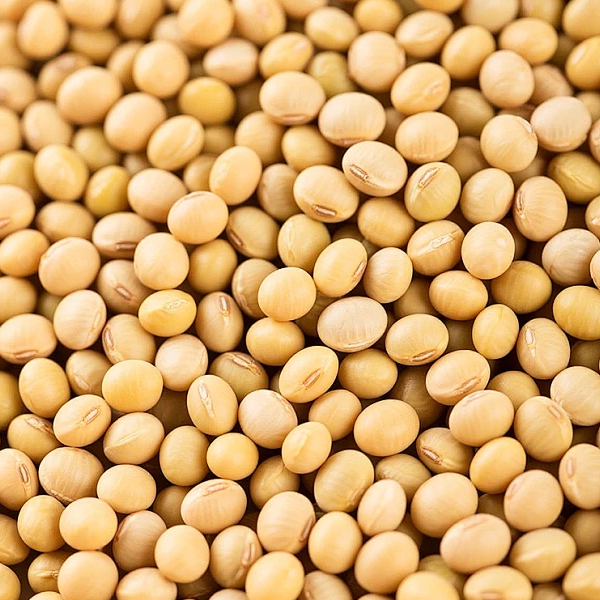
1. Different Core Separation Basis:
Gravity Analyzer:Uses the difference in specific gravity (density) between materials and impurities as its core separation basis, combined with the suspending effect of airflow to assist separation. It is suitable for impurities and grains with relatively small density differences (e.g., the density difference between shriveled and plump grains, or between grass seeds and cereals).
Destoner:Uses the difference in density between materials and gravel as its core separation basis. Gravel has a much higher density than cereals and beans (gravel density approximately 2.6 g/cm³, cereal density approximately 1.2-1.4 g/cm³), a significant difference in density that is a key prerequisite for achieving separation.
2. Different Operating Environments and Power Structures:
Gravity Analyzer:During operation, it forms an inclined vibrating screen surface. The vibration direction of the screen surface is coordinated with the material movement direction, causing the grains to separate into layers.
It is equipped with an adjustable speed fan at the bottom, blowing airflow upwards from below the screen surface. Low-density impurities (shriveled grains, weed seeds) are lifted by the airflow and suspended on top of the grains, then discharged to one side of the screen with vibration; denser, plump grains sink to the bottom of the screen and move to the other side for collection.
Some gravity separators can also achieve multi-level gravity grading of grains by adjusting the screen angle, vibration frequency, and airflow intensity.
The core component of a destoner is a fish-scale or perforated screen surface with a aperture slightly smaller than the grains to ensure no grains fall through, while sand and gravel can be separated from the grains under specific conditions.
The screen surface simultaneously vibrates reciprocatingly and is agitated upwards by airflow: vibration loosens the grains and sand, while airflow lifts the grains into a suspended state. Sand and gravel, being denser, cannot be lifted by the airflow and remain close to the screen surface.
The screen surface is designed to vibrate “inclined towards the discharge port.” Sand and gravel crawl along the screen surface under vibration and are eventually discharged from a dedicated stone discharge port; the grains are continuously suspended by the airflow and flow towards the grain discharge port.
The airflow intensity of a destoner is precisely controlled, with the standard of “just lifting the grains, not the sand and gravel,” which is the essential difference between this and the airflow adjustment logic of a gravity analyzer.
3. Differences in Separation Accuracy and Objectives: The objective of a gravity analyzer is impurity removal and grading. Its separation accuracy can be adjusted through parameters to suit different crops. It can simultaneously handle both light and heavy impurities and separate qualified grains into different grades based on their specific gravity.
The objective of a destoner is solely stone removal. Its separation accuracy focuses on “completely removing adjacent stones,” and it lacks grading capabilities. Its design is entirely optimized based on the density difference between sand/gravel and grains.
Post time: Dec-31-2025