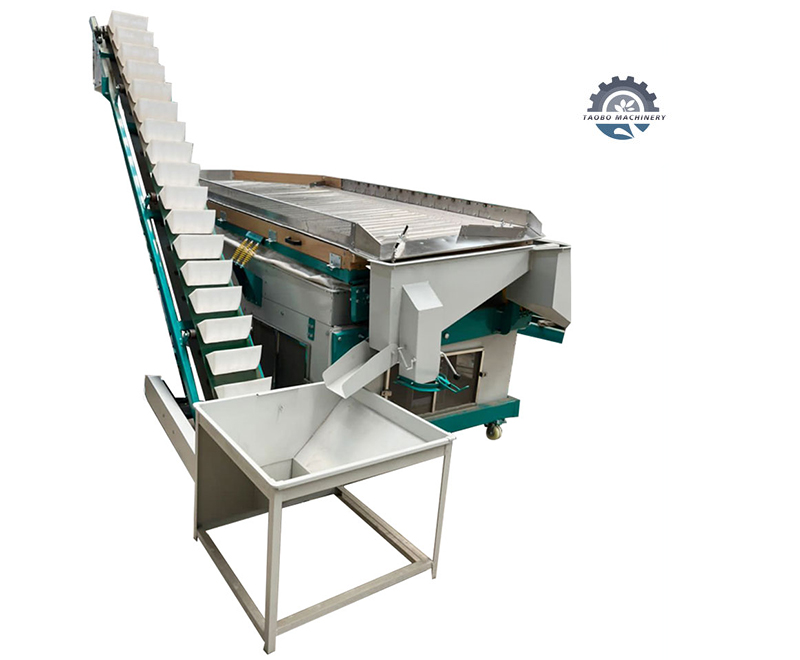
A gravity separator is a core cleaning device that utilizes differences in material density, specific gravity, and fullness. Through the combined action of vibration and airflow, it cleans, grades, and refines grains and legumes.
It doesn’t just separate by screen size; it separates by “weight and fullness,” making it a key piece of equipment for improving grain quality.
1. Working Principle: Material falls evenly from the feed inlet onto a porous vibrating table.
A fan blows air upwards from below the table, causing the material to suspend and stratify: High-density, full, and mature particles sink, adhering to the screen surface. Low-density, shriveled, moldy, insect-infested, and broken particles float. The table vibrates directionally, moving the particles along its surface: Full, good grains slide down the table and are discharged from the clean material outlet. Lighter, shriveled, and broken particles move to the sides or top and are discharged from the impurity outlet.
Precise sorting is achieved by adjusting the airflow, vibration angle, amplitude, and feed rate. Utilizing differences in density, plumpness, and weight, under the action of a vibrating table and adjustable airflow: Plump, mature, and high-density beans sink, slide down the table, and are discharged from the clean feed outlet. Low-density shriveled beans, empty beans, insect-damaged beans, moldy beans, broken pieces, bean skins, grass seeds, dust, etc., float to the top and are pushed to the side by the wind or vibration and discharged.
2. Specific functions in bean processing:
Removal of shriveled beans, empty beans, broken beans, insect-damaged beans, and moldy beans.
Removal of bean skins, grass clippings, straw fragments, dust, and light impurities.
Grading of soybeans and mung beans to improve uniformity.
Improving product appearance, thousand-grain weight, germination rate, and oil yield.
Can be used for upgrading commercial beans, seed selection, and export bean processing.
3. Applicable Scenarios
* Legume refining, seed processing
* Grain upgrading
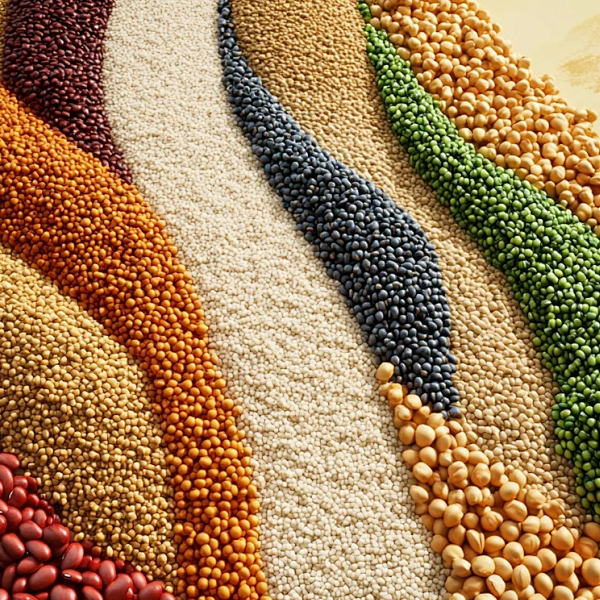
* Selection of miscellaneous grains such as mung beans, red beans, cowpeas, and kidney beans
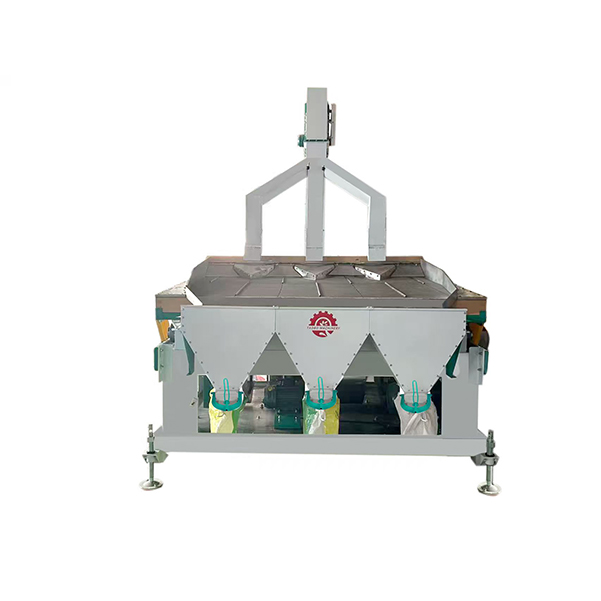
A destoner, also known as a gravity destoner, is a specialized cleaning device that utilizes the density difference between the material and heavy impurities such as stones and mud. Under the action of airflow and vibration, it separates heavy impurities from grains and beans.
It is a key piece of equipment for removing stones, mud, and heavy impurities before grain processing, ensuring safety.
1. Working Principle
The material falls evenly onto the destoner screen plate through the feed inlet.
A fan below the screen plate blows air upwards, causing the material to form a loose, suspended layer, achieving stratification of light and heavy materials:
Dense stones, mud, glass, metal shavings, etc., sink and move upwards.
Lighter grains and beans float on top and flow downwards.
The screen plate vibrates directionally, pushing the stones upwards along the slope, while the grains flow downwards, completing the separation of grains and stones.
2. Specific Role in Bean Processing
Removes heavy impurities such as stones, mud, broken glass, and metal particles.
Prevents impurities from damaging equipment such as grinders, crushers, and polishers.
Avoids impurities affecting product hygiene indicators and reduces ash content.
Particularly suitable for small-particle oilseeds and grains such as soybeans, mung beans, red beans, and cowpeas.
Does not handle light impurities, shriveled beans, or broken beans; focuses solely on separating heavy impurities.
3. Applicable Scenarios
First cleaning of raw materials entering the plant.
Pre-treatment before seed processing, oil pressing, milling, and peeling.
I. Destoner
Applicable Scenarios
Core Positioning: Removes heavy impurities, ensures safety, and protects equipment.
Wherever there are stones, mud, glass, or metal, a destoner must be used first.
Main Applicable Scenarios:
First cleaning of raw materials entering the plant.
Soybeans, mung beans, corn, wheat, and rice that have just been harvested contain a lot of soil and stones; stones must be removed first.
Before entering precision equipment: Stones must be removed before the grain enters crushers, grinders, oil presses, polishers, color sorters, and gravity meters to prevent damage.
Pre-treatment before food processing, oil pressing, and flour milling: Essential pre-treatment equipment for bean product factories, flour mills, rice mills, and oil pressing plants.
Processes sensitive to sand and impurities: Such as mung bean sprout production, tofu, soy milk, dried bean curd, and oil processing, where sand and stones are unacceptable.
Pre-treatment of raw materials at purchasing points, grain depots, and drying lines: Batch pre-treatment to ensure stability in subsequent processes.
II. Gravity Meter Applicable Scenarios:
Core Function: Quality improvement, grading, removal of shriveled grains, removal of light impurities.
A gravity meter is essential when separating good grains from bad grains to improve appearance and selling price.
Main Applicable Scenarios:
Seed selection: Selecting plump, mature seeds to improve germination and seedling emergence rates.
Commercial grain refining and upgrading: Removes shriveled, broken, insect-damaged, and moldy grains to improve bulk density, uniformity, and selling price.
Export grain and high-grade miscellaneous grain processing: Soybeans, mung beans, red beans, kidney beans, etc., requiring high purity and uniform grain size.
Legume and grain grading: Divides a batch of grain into: Good quality (commercial grade)
Medium quality
Burner (shriveled, broken grains)
Removal of light impurities: Removes light impurities such as bean husks, bran, straw, dust, chaff, and insect-damaged grains.
Integrated with a destoner to form a complete cleaning line: Destoner removes stones → Gravity analyzer purifies, which is the standard refining process.
Post time: Mar-02-2026