
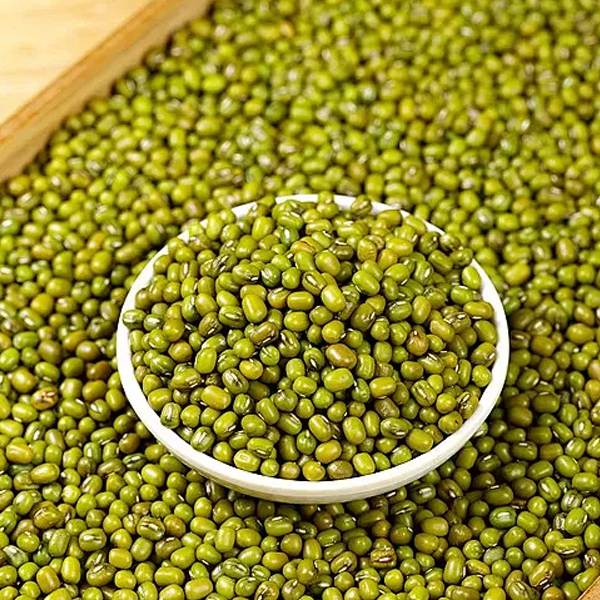
In the mung bean cleaning and processing workflow, the destoner serves as a core piece of pre-treatment equipment that ensures raw material purity and protects downstream processing machinery, playing a critical role in specialized impurity removal. During the harvesting, drying, and transportation of raw mung beans, heavy impurities such as soil, clods, sand, gravel, glass fragments, and metal particles are easily introduced. Many of these sand and gravel particles closely resemble mung bean kernels in size and shape—classified in the industry as “look-alike stones” that are notoriously difficult to remove. Standard air-screen equipment can only eliminate stalks, dust, and large debris, failing to effectively separate these similarly sized but distinctively shaped stony impurities. In contrast, the destoner utilizes differences in specific gravity, suspension velocity, and friction coefficients between the beans and the stones. By combining airflow and vibration, it precisely stratifies and separates the mung beans from hard, heavy impurities, efficiently removing various stones, soil clumps, and heavy debris. Within a complete mung bean processing line, the destoner is typically positioned after initial cleaning and before gravity separation and color sorting; it serves as a critical preliminary protective step. Residual sand and hard impurities not only compromise the purity and quality of the finished product—negatively affecting market compliance and reputation—but also cause severe wear on precision components in downstream equipment, such as gravity separator screens, color sorter lenses, and polisher rollers. Such wear frequently leads to equipment jams, screen ruptures, and mechanical failures, thereby increasing maintenance costs and losses due to downtime. Specialized cleaning via a destoner eliminates the dual risks posed by stony impurities: it ensures the cleanliness of the finished mung beans (preventing safety issues related to consumption and processing) while maximizing the protection of downstream precision machinery. By reducing equipment wear and stabilizing production line efficiency, it lays a solid foundation for subsequent quality-enhancing steps like kernel grading, precision selection, and color sorting, making it an indispensable core impurity-removal device in modern, standardized mung bean processing.
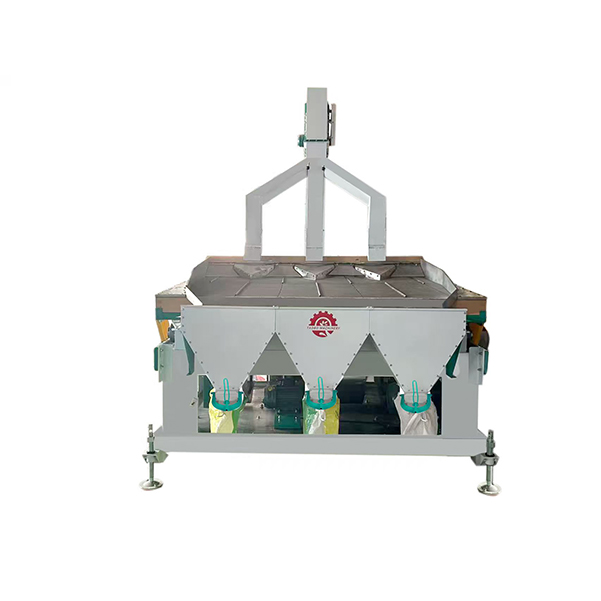
The gravity separator is a core piece of precision sorting equipment essential for enhancing the quality and optimizing the grading of the finished product; it performs a purification function that cannot be replicated by basic cleaning machinery. Following initial air-screen cleaning and destoning, raw mung beans—while cleared of large impurities like stones, stalks, and dust—often still contain significant quantities of low-quality grains and foreign matter that are difficult to distinguish with the naked eye. These include shriveled, insect-damaged, moldy, hollow, and immature (lightweight) grains. Since these impurities are similar in size to high-quality mung beans, they cannot be removed by standard screening or destoning equipment, yet they severely compromise the appearance, taste, and shelf life of the final product. By leveraging density differences between high-quality beans and inferior grains or impurities, the gravity separator utilizes the combined action of a vibrating screen deck and vertical airflow to stratify and sort the material. This allows for the precise separation of plump, high-quality beans and the thorough elimination of defective or diseased grains, while also effectively removing lightweight impurities such as weed seeds and foreign legume varieties. The equipment not only significantly improves the plumpness, purity, and bulk density of the finished product—thereby standardizing quality grades and boosting commercial value and market competitiveness—but also screens out the vast majority of defective grains beforehand. This greatly reduces the workload on downstream color sorters and lowers processing losses as well as equipment maintenance costs. Furthermore, the gravity separator complements the destoner (which focuses on removing sand and stones) to create a comprehensive cleaning system that spans impurity removal and quality enhancement. It effectively prevents issues such as residual defective grains and inconsistent product quality, ensuring a supply of stable, high-quality raw material for deep processing, commercial sales, and seed retention, making it an indispensable component of modern mung bean processing lines.
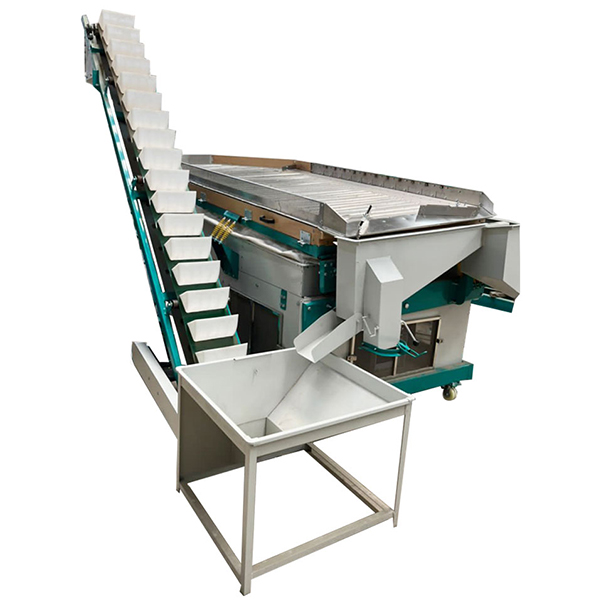
Application Scenarios for Gravity Separators and Destoners
Specific gravity separators utilize differences in material density combined with airflow and vibration for stratification and sorting. Their primary functions include grading and purification, as well as the removal of shriveled, insect-damaged, moldy, or foreign seeds and light/heavy impurities; however, they cannot replace specialized destoners.
I. Legume Processing Scenarios (Key Focus)
Mung beans, adzuki beans, kidney beans, chickpeas, pinto beans, pigeon peas, and other beans
Separation of plump beans from shriveled, insect-damaged, moldy, or water-damaged beans
Removal of hollow beans and immature seeds; improvement of bulk density and visual appeal of the finished product
Separation of mixed foreign bean varieties and weed seeds
Peanuts (in-shell or shelled)
Sorting of plump kernels, shriveled kernels, sprouted kernels, and moldy kernels; removal of empty shells and rotten pods
Soybeans
Selection of commercial-grade and seed-grade beans; removal of insect-damaged, moldy, and shriveled grains; separation of heat-damaged beans
II. Grain and Coarse Cereal Processing Scenarios
Wheat, corn, sorghum, millet, oats, buckwheat, quinoa
Commercial grain purification: removal of shriveled grains, diseased grains, insect-damaged grains, stalk fragments, and light impurities
Seed processing: increasing germination rates by selecting out immature or damaged seeds
III. Oilseed Crops
Sesame, sunflower seeds, flaxseeds, rapeseed
Sesame: separation of shriveled seeds, empty shells, and moldy seeds; improvement of oil yield and purity
Sunflower seeds: sorting of plump, shriveled, and moldy seeds; separation of empty shells
IV. Seed Breeding Industry (High-Value Application)
Vegetable seeds, forage seeds, flower seeds, and foundation grain seeds
Core value: Specific gravity is directly correlated with germination potential.
Removal of underdeveloped, hollow, pest-damaged, or frost-damaged seeds to significantly boost germination rates; standard equipment for seed processing lines. V. Cash Crops and Specialty Agricultural Products
Coffee beans: Sort out low-density “light” beans, empty shells, and beans with fermentation defects to improve roasting quality.
Cocoa beans and nut kernels: Remove rotten or shriveled kernels.
Spices (e.g., Sichuan peppercorns, black pepper): Separate empty shells, seeds, and impurities.
Post time: Jul-24-2026