
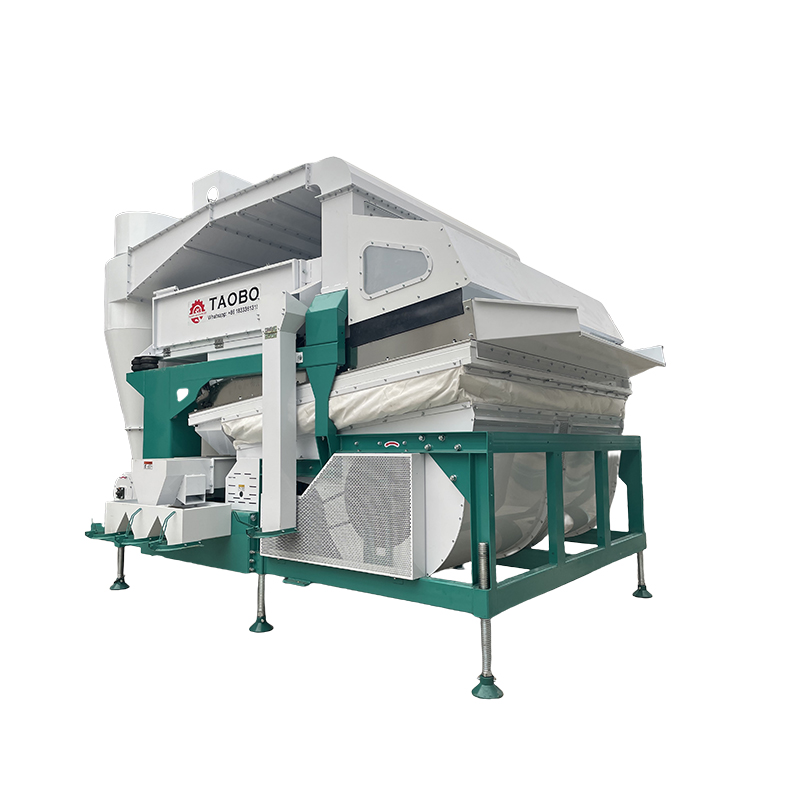
Sesame is a high-value oil crop and a crucial raw material for food processing and condiment production. Due to the small size and light weight of the seeds, various impurities easily contaminate the crop during harvesting, drying, and threshing. Uncleaned sesame often contains stems, leaves, dust, shriveled seeds, weed seeds, stones, and soil clods; such contamination not only lowers the commercial grade of the sesame but also negatively impacts downstream processes like oil extraction, paste grinding, and deep food processing. The air-screen gravity cleaner integrates air separation, screening, and gravity-based sorting functions, performing composite impurity removal tailored to the physical properties of sesame seeds; it serves as the core piece of equipment in sesame primary processing lines. Effective impurity removal is of great practical importance for ensuring raw material quality, increasing oil yield, extending the service life of processing equipment, enhancing market competitiveness, and meeting food safety standards.
In terms of raw material quality and commercial value, sesame harvesting typically involves field cutting, drying, and threshing—operations conducted outdoors where impurity contamination is inevitable. Impurities range from lightweight materials (such as broken stalks, leaves, empty hulls, dust, and immature shriveled seeds) and heavy materials (stones and soil particles) to weed seeds and seeds of different varieties that are similar in shape and size. Without effective cleaning using an air-screen gravity cleaner, these mixed impurities significantly reduce the overall purity of the sesame. As a commercial agricultural product, sesame is priced primarily based on purity and the proportion of intact seeds; excessive impurity content directly drives down the purchase price. A high concentration of shriveled or insect-damaged seeds mixed with high-quality sesame—characterized by insufficient oil accumulation and potential mold risks—degrades the overall quality and appearance of the entire batch. Processing with a gravity separator (utilizing air and screen separation) effectively removes the vast majority of light and heavy impurities, as well as shriveled or insect-damaged seeds. The resulting sesame seeds are plump, uniform in size, and consistent in color, meeting standards for processing and trade. Whether for domestic sales or export, this high-quality cleaned sesame commands a premium price and minimizes financial losses—such as product returns or weight deductions—caused by excessive impurities, thereby tangibly boosting economic returns for both growers and processing enterprises.
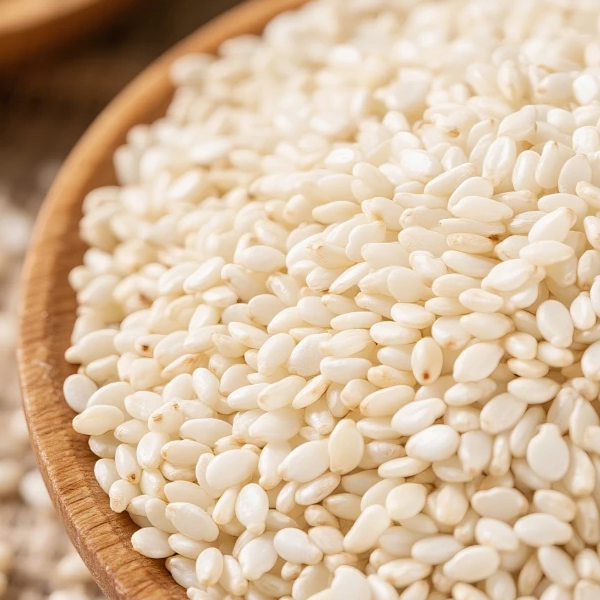
In the oilseed processing stage, the presence of impurities can severely disrupt the oil extraction process; cleaning operations performed by air-screen gravity separators serve as a crucial prerequisite for ensuring the stable operation of the extraction line. Heavy impurities—such as stones and soil clods—entering the press alongside the sesame seeds cause severe wear on critical, high-wear components like the press screw and press rings, thereby accelerating equipment deterioration. Frequent part replacements drive up maintenance costs, while hard particles can trigger abnormal internal vibrations, potentially leading to equipment failure, shutdowns, and interruptions to the entire production line. Dust and fine soil impurities generate significant smoke and soot during the sesame roasting pretreatment phase, contaminating the roasting equipment; furthermore, soot adhering to the sesame seeds darkens and clouds the resulting crude oil, increasing the burden on subsequent refining processes. Shriveled and moldy sesame seeds contain high levels of free fatty acids; when mixed with raw materials, they raise the oil’s acid value, resulting in sesame oil with compromised flavor and a shortened shelf life. Air-screen gravity separators utilize air separation to remove light impurities, screening to separate impurities based on size, and gravity separation to distinguish between stones and shriveled seeds of similar size but different densities. This process effectively eliminates harmful impurities while retaining mature, plump sesame seeds. Plump seeds possess high oil content, effectively boosting the actual oil yield; the resulting crude oil is clear and retains its authentic flavor, thereby reducing material consumption during refining steps such as decolorization and deacidification, lowering processing costs, and enhancing profitability for the processing enterprise.
From the perspective of food processing and safety, sesame is widely used in products such as sesame paste, sesame soup, pastry toppings, and hotpot dipping sauces, all of which are subject to strict standards regarding impurities and moldy particles. Failure to thoroughly remove soil clods and stones allows them to enter the finished product, creating a serious foreign-object contamination risk; should such products reach the market, they can trigger consumer complaints and inflict severe damage on the company’s brand reputation. Some immature or damp, moldy sesame seeds can harbor mold and produce harmful substances; when mixed with healthy seeds, they are difficult to fully remove by visual inspection alone. Air-screen gravity separators utilize differences in specific gravity to separate lower-density moldy or insect-damaged seeds from sound ones. This prevents moldy seeds from entering the processing stage at the source, thereby reducing food safety risks. Cleaning sesame seeds with this equipment significantly lowers dust content, which in turn reduces the water required for subsequent washing steps. This minimizes nutrient loss caused by washing, better preserves the sesame’s inherent aroma and nutritional value, ensures the taste, flavor, and safety of the final product, and helps processing enterprises meet regulatory standards.
In terms of processing efficiency, without the cleaning step provided by air-screen gravity separators, many small and medium-sized enterprises must rely on manual sorting to remove impurities. Because sesame seeds are tiny, manual sorting is labor-intensive and involves dusty working environments; it is inefficient, prone to missed defects, and yields inconsistent cleaning quality—making it difficult to meet the capacity demands of large-scale processing. Air-screen gravity separators enable continuous, batch processing of sesame seeds. When paired with a bucket elevator for automatic feeding, the equipment can be integrated into a complete sesame processing line to facilitate uninterrupted feeding, impurity removal, and discharge. This drastically reduces the need for manual labor and lowers associated costs. The equipment allows for flexible adjustments—such as airflow, screen inclination, vibration frequency, and gravity table parameters—based on the moisture content and impurity levels of the sesame. This adaptability ensures consistent impurity removal across raw materials from different origins and batches—whether small-scale farm produce or large commercial shipments—thereby guaranteeing uniform product quality and avoiding the inconsistencies inherent in manual sorting.
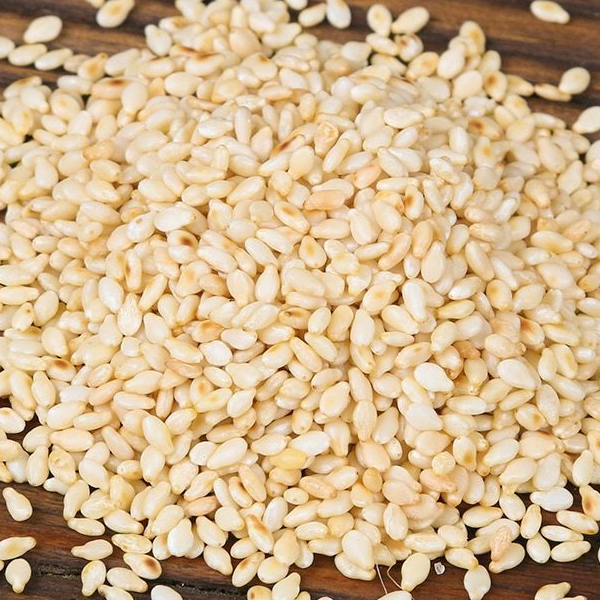
Furthermore, impurity removal facilitates the storage of sesame. Sesame piles containing significant amounts of dust, empty hulls, and broken fragments have poor air permeability; furthermore, the shriveled grains and debris are highly hygroscopic, making them prone to absorbing moisture and heating up during storage. This environment fosters microbial growth, leading to spoilage and mold, thereby shortening the storage lifespan. Cleaning with an air-screen gravity separator removes the majority of broken hulls, dust, and shriveled or damaged grains. This increases the porosity of the sesame pile and improves ventilation, reducing the risk of heating and mold during storage. Consequently, this extends the storage period, minimizes raw material losses, and enables enterprises to engage in off-peak purchasing and sales while flexibly scheduling production.
Air-screen gravity separators play an equally indispensable role in the processing of sesame seeds. Sesame intended for use as seed requires the removal of weed seeds and weak or shriveled grains, retaining only mature, robust seeds. The cleaned seeds are uniform in quality and exhibit higher germination rates, with weed seeds largely eliminated. This reduces weed proliferation after sowing, lowers the workload for field weeding, and ultimately boosts sesame crop yields.
In summary, the removal of impurities from sesame using an air-screen gravity separator is far more than a simple cleaning process; it is integral to the entire value chain, spanning raw material trading, oil extraction, deep food processing, seed propagation, and storage. On one hand, it removes harmful impurities—such as stones, soil clods, stems, leaves, weed seeds, and moldy or shriveled grains—thereby enhancing the commercial grade and economic value of the sesame. On the other hand, it protects downstream processing machinery, optimizes oil extraction efficiency, ensures food safety, and reduces labor costs and storage losses. As the sesame industry moves toward large-scale, standardized operations, effective impurity removal via air-screen gravity separators serves as a critical link in achieving high-quality processing. This drives quality improvements and efficiency gains across the industry, bolstering the competitiveness of domestic sesame products in both domestic and international markets.
Post time: Sep-30-2026