
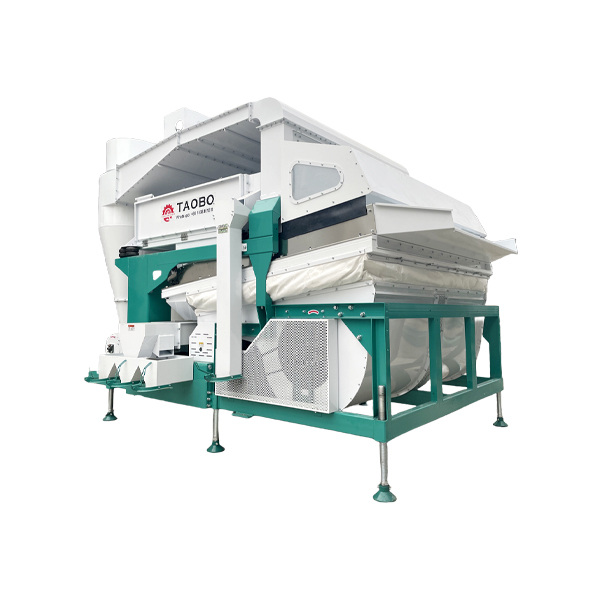
The core function of the Air-Screen Gravity Separator when cleaning soybeans lies in a three-stage physical sorting process: air separation to remove light impurities, vibrating screening to classify by size, and gravity separation to distinguish between sound and defective beans. This process simultaneously removes dust, straw, stones, shriveled beans, and moldy beans in a single pass, yielding clean, plump soybeans.
I. Working Principle (Air + Screen + Gravity: Triple Separation)
Air Separation Principle (Based on Differences in Suspension Velocity)
This stage utilizes the difference in suspension velocity between soybeans and light impurities (dust, hulls, chopped straw, shriveled grains): plump soybeans have a higher specific gravity and settle quickly, while light impurities are carried away by the airflow from the fan and directed into the dust collection system.
Vibrating Screening Principle (Based on Differences in Particle Size)
A multi-layer vibrating screen system (typically comprising 2–3 layers) grades the soybeans according to their particle size:
Upper Layer (Large Mesh): Retains large impurities—such as straw, large clumps of soil, and large stones—which are then discharged through the impurity outlet.
Middle Layer (Medium Mesh): Allows qualified, standard-sized soybeans to pass through while blocking broken cotyledons and small pieces of straw.
Lower Layer (Fine Mesh): Sifts out fine impurities, such as fine soil, dust, and small grit.
Gravity Separation Principle (Based on Differences in Density/Weight)
The gravity separation bed—featuring a “fish-scale” surface design—is set with both longitudinal and lateral inclinations and undergoes a reciprocating vibration motion. A fan positioned underneath blows an upward counter-current of air, causing the material to fluidize and stratify:
Heavy Materials (Plump, Sound Beans): These settle to the bottom layer, remain in contact with the screen surface, and move upward along the direction of vibration, eventually being discharged through the clean grain outlet.
Light Materials (Shriveled, Insect-Damaged, Moldy, or Broken Beans): These float to the upper layer, remain suspended above the screen surface, and slide downward along the inclined plane, eventually being discharged through the reject bean outlet.
Extra-Heavy Impurities (Stones, Metal Objects): These sink to the very bottom layer and are discharged through the stone removal outlet.
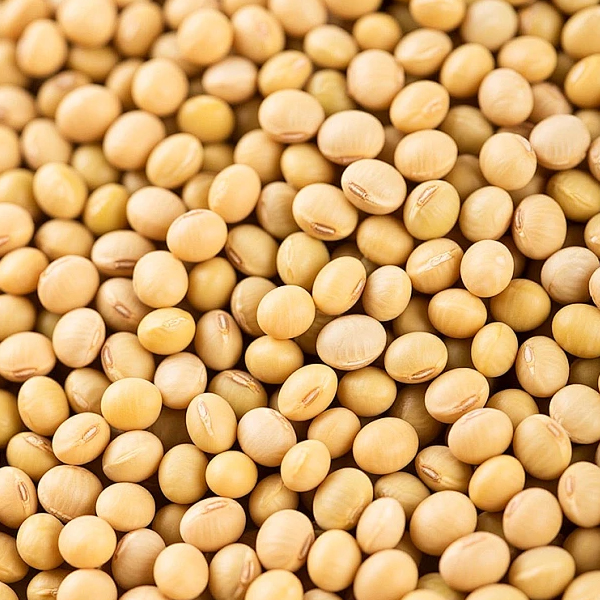
II. Standard Soybean Cleaning Process
1. Feeding and Initial Air Separation
Soybeans are conveyed by a bucket elevator into the feed hopper, where they are distributed evenly. Negative-pressure airflow at the inlet immediately extracts floating dust and light hulls, thereby reducing the processing load for subsequent stages.
2. Multi-layer Vibrating Screen Classification (Removal of Coarse and Fine Impurities)
Upper Screen: Discharges straw, large clumps of soil, and large stones.
Middle Screen: Allows qualified soybeans to pass through while retaining broken cotyledons and small pieces of straw.
Lower Screen: Sifts out fine soil, dust, and small grit.
3. Gravity Separator Refining (Removal of Shriveled, Moldy, and Stony Beans)
Material enters the fish-scale-patterned gravity separation deck; a combination of vibration and counter-current airflow causes the soybeans to stratify.
High-side Outlet: Plump, clean soybeans (finished product).
Low-side Outlet: Shriveled, insect-damaged, or moldy beans (secondary material).
Bottom Outlet: Stones and metal objects (heavy impurities).
4. Secondary Air Separation / Dust Removal
The clean soybeans undergo a final air separation pass at the outlet to thoroughly remove any residual light impurities and dust, resulting in a cleaner finished product.
5. Segregated Discharge of Impurities
Light Impurities (dust, hulls) → Collected by the dust collector.
Coarse Impurities (straw, large stones) → Discharged via the coarse impurity outlet.
Fine Impurities (fine soil, grit) → Discharged via the fine impurity outlet.
Defective Beans (shriveled, moldy) → Discharged via the secondary material outlet.
Heavy Impurities (stones, metal) → Discharged via the destoner outlet.
6. Finished Product Discharge / Packaging
The clean soybeans (with an impurity rate ≤ 0.5%) flow out through the clean grain outlet, ready to be packaged directly or transferred into storage silos.
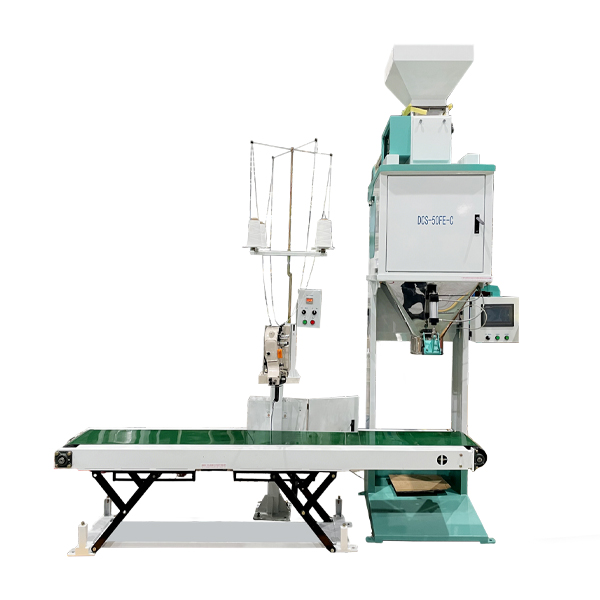
The Air-Screen Gravity Separator serves as the core precision-cleaning unit within legume processing lines. Bridging the gap between upstream preliminary cleaning and pretreatment stages, and supporting downstream color sorting, polishing, grading, and packaging operations, it plays a pivotal role in connecting these processes, purifying the product, removing impurities, and standardizing quality—making it the decisive piece of equipment for determining the purity and final grade of the entire production line’s output.
I. Role in the Upstream Section (Succeeding Preliminary Cleaning)
It replaces and upgrades simple preliminary cleaning screens, performing a secondary, deep-cleaning pass to remove various residual impurities from the raw material.
It proactively eliminates the majority of large soil clumps, straw, fine dust, pebbles, shriveled grains, and moldy kernels, thereby reducing the load on downstream equipment and preventing blockages in elevators and color sorter feed channels.
It uniformly sorts and stratifies the material, supplying the subsequent processing stages with qualified input material characterized by consistent particle size and density.
II. Core Role in the Midstream Section of the Production Line
Simultaneous Separation of Multiple Impurities
It simultaneously performs air separation to remove light impurities, screening to remove large and small debris, and gravity separation to remove stones—while also eliminating shriveled and damaged beans. This single machine integrates multiple functions, thereby streamlining the overall configuration of the production line.
Preliminary Quality Grading
It segregates the legumes into distinct streams: high-quality marketable beans, shriveled/substandard beans, moldy/insect-damaged beans, and heavy impurities (such as stones). By diverting these streams early in the process, it eliminates the need to install additional sorting equipment later in the line.
Ensuring Production Continuity
Through a combination of vibration, air separation, and gravity-assisted mechanisms, it ensures a steady and uniform feed rate. This stabilizes the flow throughout the entire production line—preventing material blockages or surges—and guarantees the smooth, consistent operation of all downstream processes.
III. Supportive Role in the Downstream Section (Laying the Foundation for Color Sorting, Polishing, and Packaging)
Protection of the Color Sorter
By proactively removing stones, soil clumps, and large quantities of shriveled or moldy kernels, it significantly reduces the operational stress on the color sorter, minimizes wear and tear on sorting consumables, and boosts the yield of high-quality finished products from the sorting process.
Enhancing Polishing and Grading Effectiveness
With raw material that is clean, impurity-free, and composed of full, uniform kernels, the polishing process is less likely to result in dust accumulation or surface smudging. Furthermore, subsequent grading and screening operations become more precise, ultimately resulting in finished products with superior visual appeal and marketability. Warehousing / Packaging of Compliant Finished Products
Following processing by this machine, the impurity rate, mold rate, and stone content of the legumes essentially meet the procurement standards for commercial grain and seed grain; consequently, only simple final finishing is required before the product can be directly packaged for sale.
Post time: May-14-2026