
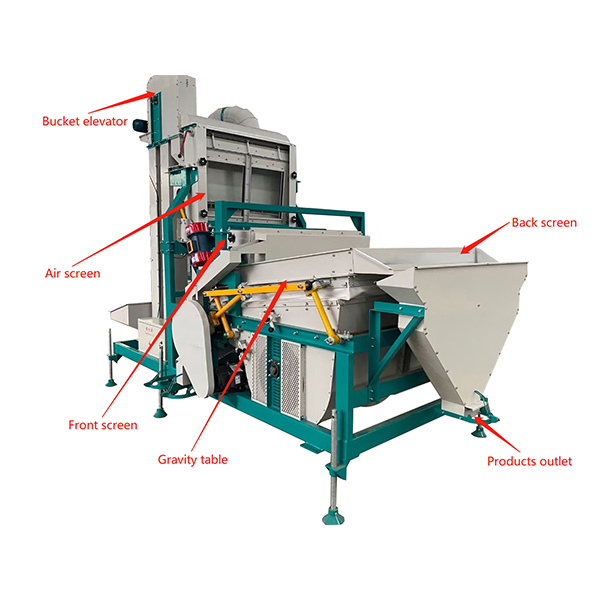
The Air-Screen Gravity Separator is a composite grain and legume cleaning machine that integrates three functions into one: air separation (removing light impurities via airflow), screening (removing large and small impurities based on size), and gravity separation (precisely removing shriveled, insect-damaged, or moldy grains based on density/specific gravity). It is capable of completing multi-stage impurity removal and grading in a single pass, thereby significantly enhancing purity as well as the quality of both commercial products and seeds; it serves as a core piece of equipment, handling everything from the initial cleaning of raw grain to the final precision sorting of finished products.
Main Structural Components
Feeding and Lifting System: Includes a feed hopper (typically a counterweight-type automatic feeder), a bulk grain bin, and a low-speed elevator, ensuring uniform feeding with minimal grain breakage.
Air Separation Unit: Comprises a vertical air screen/chamber, a blower (operating via positive or negative pressure), air ducts, and a dust removal system (featuring a cyclone separator combined with a bag filter) to eliminate dust, husks, straw, and other light impurities.
Vibrating Screen Unit: Features a dual-screen box/multi-layer screen deck (fitted with interchangeable stainless steel screens of various mesh sizes) and a vibrating motor/eccentric mechanism to separate large impurities (such as straw clumps and large stones) from small impurities (such as soil fragments and fine sand).
Gravity Separation Table (Core Sorting Zone):Consists of a reciprocating vibrating deck with adjustable tilt in both longitudinal and lateral directions; the deck sits atop an air chamber featuring a perforated plate or “fish-scale” pattern to facilitate airflow; the unit includes mechanisms for adjusting longitudinal and lateral angles, as well as a variable frequency control system for the blower.
Frame and Electrical Controls: Features a fully welded structural frame, adjustable support feet, and—for smaller or mobile models—caster wheels; utilizes a PLC and variable frequency drive system to allow for precise adjustment of airflow speed, vibration amplitude, vibration frequency, and deck inclination.
Discharge System:Includes dedicated outlets for finished products, large impurities, small impurities, light impurities, and shriveled/diseased grains.
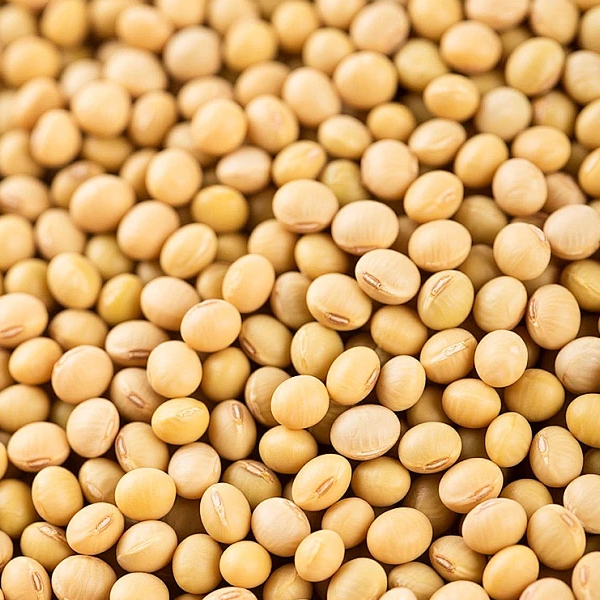
I. Common Impurities in Soybeans
1. Organic Impurities
Straw, soybean leaves, pods, weeds, broken stems and leaves
Shriveled beans, split beans, insect-damaged beans, moldy beans, sprouted beans
Seeds of other crops (corn, wheat, weed seeds)
2. Inorganic Impurities
Soil clumps, dust
Pebbles, sand grains, broken glass
Iron nails, metal fragments (extremely hazardous; prone to damaging equipment)
3. Morphologically Distinct Impurities of the Same Type
Uneven size: oversized beans, undersized beans, broken beans
Moldy grains, heat-damaged grains, frost-damaged grains
Insect-eaten empty shells, beans with missing cotyledons
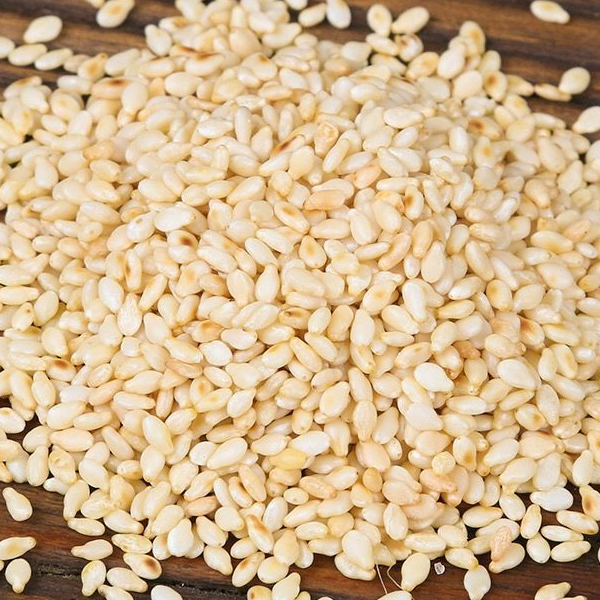
II. Common Impurities in Sesame Seeds
Sesame seeds are small in size and light in specific gravity, making them prone to contamination; consequently, removing impurities is more difficult than with soybeans.
1. Organic Impurities
Sesame stalks, broken leaves, floral debris, weed seeds
Shriveled seeds, empty shells, immature seeds
Moldy seeds, deteriorated seeds, insect-damaged seeds
Small seeds of other crops (barnyard grass seeds, millet grains, rapeseed)
2. Inorganic Impurities
Mud and sand, fine soil, dust (present in large quantities)
Fine sand grains, small pebbles
Rust, metal shavings
3. Defective Seeds of the Same Type
Split sesame seeds, broken sesame seeds
Moisture-caked seeds
Discolored seeds (mixtures of black, white, or yellow seeds, which affect commercial grade)
Workflow and Layering Principles
Feeding and Preliminary Screening/Air Separation:Raw materials are conveyed via an elevator into the feed hopper, where they fall evenly onto a vibrating screen to first remove oversized and undersized impurities. Subsequently, the material passes through a vertical air screen; a negative-pressure airflow carries away light impurities—such as dust and shriveled hulls—directing them into a dust collection system.
Specific Gravity Table Refining: The preliminarily cleaned material enters the specific gravity separation table. Through a combination of reciprocating vibration of the table surface and a uniform airflow from below, the material is fluidized into a loose, suspended state: heavier, plump grains settle to the bottom layer and—driven by friction against the screen surface and vibrational thrust—move along the incline toward the higher end (the finished product outlet). Lighter impurities—such as shriveled, insect-damaged, or moldy grains—float on the surface and, aided by the airflow, flow toward the lower end (the impurity outlet).
Graded Discharge: Materials from different layers are discharged into their respective collection ports, thereby completing the final cleaning and grading process.
Performance Features and Advantages
Advantages
High Functional Integration:A single machine performs a three-stage cleaning process, saving floor space and labor while minimizing material breakage during transfer.
Broad Impurity Removal Range: Efficiently removes a wide variety of impurities—including light debris, oversized/undersized contaminants, and impurities differentiated by specific gravity (such as shriveled grains, diseased grains, and broken kernels)—achieving a purity level of over 98%.
Strong Adaptability: By changing screens and adjusting airflow speed, vibration amplitude, and table inclination, the machine can be configured to process a wide variety of grains and legumes, including wheat, corn, rice, soybeans, mung beans, sesame seeds, and pinto beans.
Eco-friendly: Equipped with a comprehensive dust collection system to minimize dust pollution.
Mobile/Fixed Options:Available in both mobile and stationary configurations to meet the diverse needs of farms, grain storage facilities, seed processing plants, and trading ports.
Key Adjustment Parameters and Their Effects
Air Velocity: If too low, material fluidization fails and stratification is poor; if too high, sound grains are easily blown away. It must be set according to the specific variety’s suspension velocity.
Vibration Frequency / Amplitude: If the frequency is too high, material bounces off the deck surface; if too low, material loosening is insufficient. Amplitude influences the material’s forward conveying speed.
Deck Inclination: The longitudinal inclination determines the conveying speed of the finished product, while the lateral inclination determines the flow direction of light impurities and the separation efficiency.
Feed Rate: Must be uniform and stable; an excessive rate leads to poor stratification and reduced purity, while an insufficient rate results in low processing efficiency.
Applicable Scenarios
Seed Processing: Grading and precision sorting of corn, wheat, rice, soybeans, and vegetable seeds; removal of diseased and shriveled grains to enhance germination rates.
Commercial Grain Cleaning: Initial cleaning of raw grain and processing of cleaned grain at grain depots, storage stations, flour mills, and rice mills.
Oilseeds and Miscellaneous Grains: Impurity removal and precision sorting of rapeseed, peanuts, sesame seeds, mung beans, pinto beans, and pigeon peas.
Mobile Operations: Immediate post-harvest cleaning directly in the field to reduce transportation costs.
Post time: Mar-30-2026