
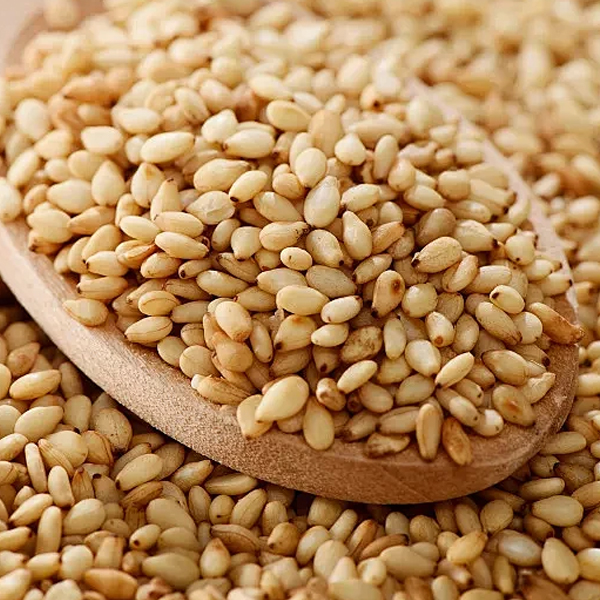
Sesame, rapeseed, and chia seeds are all classified as small-grain oilseeds; they are characterized by small particle sizes, low specific gravity, and uniform shapes. Post-harvest, they are often contaminated with a complex mix of impurities, including stalk fragments, husks, dust, shriveled or immature seeds, weed seeds, small stones, and broken kernels. Given their high economic value, these oilseeds require strict purity standards for subsequent oil extraction, food processing, and seed propagation. Manual sorting is inefficient, and standard screening equipment often struggles to balance sorting precision with processing throughput for such small particles. Air-screen cleaners utilize a hybrid mechanism combining pneumatic separation (air-blowing) and vibratory screening. Optimized specifically for the characteristics of small-grain oilseeds, they efficiently perform impurity removal and grading, serving as core pre-cleaning equipment in processing lines for sesame, rapeseed, and chia seeds. The following discussion analyzes their performance across multiple dimensions: suitability of sorting principles, impurity removal capability, material protection, production compatibility, operational and maintenance costs, and processing efficiency.
Regarding material characteristics, sesame, rapeseed, and chia seeds feature tiny particle sizes, low thousand-kernel weights, and similar terminal velocities (suspension speeds). Relying solely on screens can only separate large or small impurities with distinct size differences; it is difficult to separate shriveled seeds, husk fragments, or weed seeds that differ in weight but are similar in size to the good seeds. Air-screen cleaners integrate two core modules: vibratory screening and variable-airflow pneumatic separation. The vibratory system employs multi-layered, specialized screens configured for specific particle sizes to remove large impurities (such as stalk chunks and soil clods) and fine impurities (such as fine soil and sand). Meanwhile, the adjustable-pressure air system exploits differences in terminal velocity to pneumatically separate lighter materials—such as shriveled seeds, seed coats, broken stalks, and dust—from the product. Sesame seeds are round and lightweight; rapeseed is small and smooth; chia seeds are tiny with naturally textured surfaces. As the material undergoes a reciprocating, tossing motion on the vibrating screen surface, the material layer becomes fully aerated and loose, preventing clumping or screen blinding (clogging). The equipment allows for flexible adjustment of the screen inclination angle, vibration frequency, and feed rate, enabling operational parameters to be switched according to the physical characteristics of different oilseeds. By simply changing the screen mesh, the same unit can process sesame, rapeseed, and chia seeds in rotation. This high versatility eliminates the need to purchase multiple specialized machines, making it ideal for enterprises that process a wide variety of oilseeds.
Regarding impurity removal and the assurance of finished product quality, oilseeds present a complex array of impurities, ranging from those defined by size to those defined by weight. Air-screen cleaners enable multi-stage impurity removal, allowing for the simultaneous separation and discharge of large debris, fine soil, and lightweight impurities. They effectively eliminate common contaminants such as broken stalks, pod husks, shriveled seeds, and sand/soil from sesame; pod fragments, weed seeds, and immature seeds from rapeseed; and floral/leaf debris, empty husks, and tiny weed seeds from chia seeds. While intact, plump seeds are retained, shriveled grains, empty husks, and broken seeds are removed via airflow, thereby effectively increasing the thousand-kernel weight of the final product. The efficient removal of impurities directly alleviates the burden on subsequent processing stages. Excessive husk fragments or dust can cause press blockages, increase oil residue, and degrade the color of the finished oil; furthermore, when sold as food ingredients or used as planting seeds, excessive impurity levels directly lower the product grade. After processing with an air-screen cleaner, material purity can exceed 99.5% with a high removal rate for shriveled grains, meeting standards for oilseed procurement, food ingredients, and seed grading. It is worth noting that air-screen cleaners primarily separate impurities based on size and weight differences and cannot remove stones that are similar in size and specific gravity to the seeds; in actual production, they can be paired with gravity-based destoners to establish a comprehensive cleaning process and further enhance the quality of the finished product.
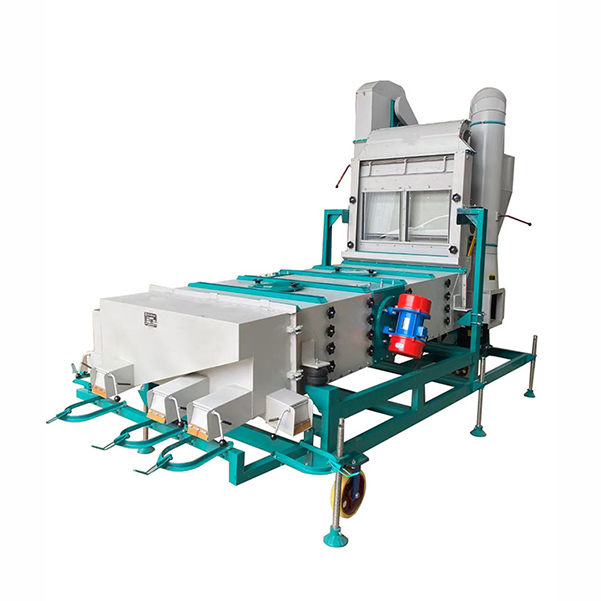
Gentle handling of the material is another standout advantage of the air-screen cleaner. Seeds such as sesame, rapeseed, and chia have thin seed coats that are prone to breakage under strong compression or impact. Once a seed breaks, the exposed oil oxidizes and turns rancid very quickly; this not only reduces oil yield but also causes the raw material to heat up and spoil during storage, while significantly compromising the product’s visual quality. The air-screen cleaner utilizes a gentle vibratory conveying method, where material moves slowly forward driven by the reciprocating vibration of the screen surface. It lacks high-speed impact or grinding mechanisms, resulting in minimal impact force between the materials themselves or between the material and equipment components. The machine ensures uniform feeding, with material spread evenly across the screen surface, preventing localized piling that could lead to crushing from compression. Airflow is infinitely adjustable; for lightweight seeds like chia and sesame, fan pressure can be reduced to prevent intact seeds from being sucked away and lost, whereas for heavier rapeseed, airflow can be increased to ensure the thorough removal of light impurities. With optimized parameters, the breakage rate can be kept extremely low, maximizing the retention of intact seeds and minimizing material loss while safeguarding oil yield and visual quality. This makes the equipment highly suitable for various applications, ranging from oil extraction to the processing of food-grade ingredients and seeds for propagation.
In terms of production integration, the air-screen cleaner is available as a standalone unit or can be incorporated into a complete production line, offering flexible layout options. Small standalone units are ideal for workshop-style operations with direct manual feeding and discharge, while larger models can be paired with bucket elevators and storage silos to enable continuous, automated production. Positioned upstream of oil presses, polishers, and color sorters, the cleaner handles the initial cleaning stage by removing the bulk of impurities beforehand; this reduces the load on downstream equipment and extends the service life of wear parts in color sorters and polishers. The feed rate is adjustable to meet varying capacity requirements, accommodating throughputs ranging from a few hundred kilograms per hour for small-scale operations to several tons per hour for large-scale facilities. When processing sesame, rapeseed, and chia seeds, fluctuations in the impurity levels of incoming raw materials are a common occurrence; harvested crops often exhibit inconsistent impurity content. The air-screen cleaner is highly resilient to these fluctuations, allowing operators to quickly adapt to changes in raw material quality—and maintain consistent impurity removal—by adjusting the feed gate, fan airflow, and the amplitude and inclination of the screen body. The equipment features a sealed design that channels dust through a dedicated exhaust port during operation, minimizing airborne dust in the workshop; this improves the working environment, reduces pollution, and complies with factory environmental standards.
From an operational and cost perspective, the air-screen cleaner is a mature and reliable system; its core components—vibrating motors, fans, and screens—feature a simple design with few potential points of failure. The screens, which are the primary wear parts, are easy to replace; specialized perforated screens designed for small-grain materials like sesame, rapeseed, and chia seeds offer excellent wear resistance and a long service life. The unit boasts low energy consumption—requiring less electricity than other sorting equipment for the same throughput—keeping operational costs manageable. It is easy to operate; staff can handle parameter adjustments and routine inspections after minimal training, eliminating the need for dedicated technical personnel on-site. The compact footprint requires no special infrastructure, allowing for installation and operation in standard factory facilities. Compared to manual sorting, production efficiency increases manifold, drastically cutting labor costs; compared to some imported sorting equipment, the initial investment is lower, spare parts are readily available, and long-term maintenance costs are reduced, offering an excellent return on investment for small- and medium-sized oilseed and grain/seed processing plants.
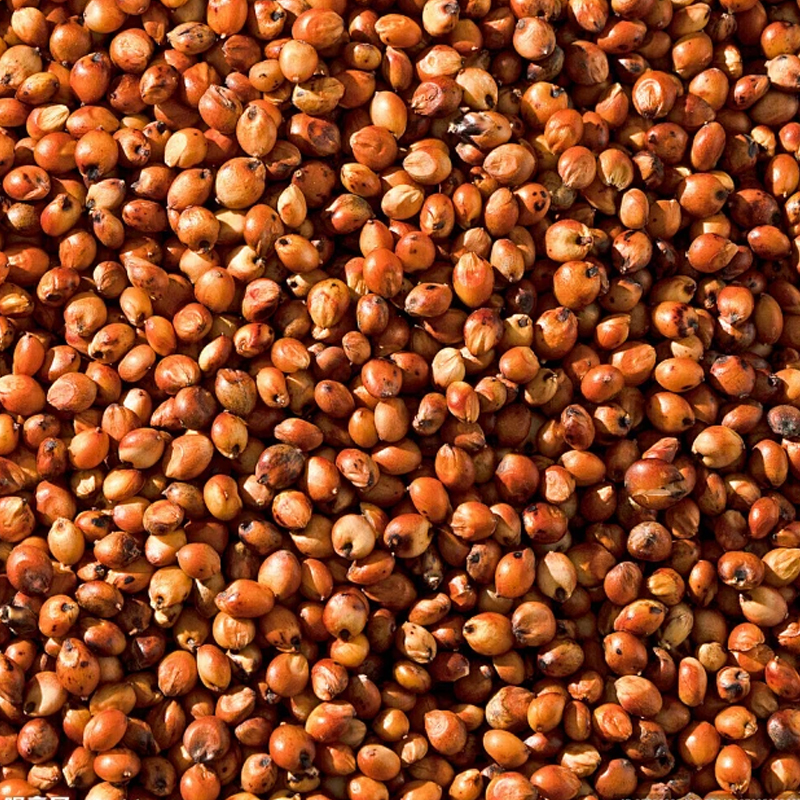
From an economic perspective, using an air-screen cleaner to process sesame seeds, rapeseed, and chia seeds yields value in several ways. First, by removing significant amounts of dust, husks, and shriveled grains, the grade of the finished product is upgraded, allowing high-quality oilseeds to command higher market prices. Second, reducing the entry of impurities into oil-pressing equipment minimizes mechanical breakdowns, lowers oil-cake residue, and increases oil yield. Third, removing shriveled and broken grains enhances the storage stability of the raw material, thereby reducing losses caused by mold or spoilage during warehousing. Fourth, cleaning the raw material alleviates the workload on downstream color-sorting and polishing equipment, reducing equipment wear and tear and minimizing waste output. Given that sesame and chia seeds are high-value food ingredients and rapeseed is a major oil crop, the economic benefits derived from reduced material loss and upgraded product quality are substantial.
In summary, the air-screen cleaner—utilizing a combined air-flow and vibrating-screen separation principle—is ideally suited to the characteristics of small, lightweight seeds like sesame, rapeseed, and chia. It efficiently removes impurities of varying sizes and weights while minimizing material breakage and preserving seed integrity. The equipment offers great versatility, capable of operating as a standalone unit or being integrated into a full production line; it is easy to operate and maintain, with controllable investment costs. Although it cannot remove impurities with specific gravities similar to the seeds themselves (such as “look-alike” stones), it serves as a core pre-treatment machine that handles the vast majority of impurity removal. It is an indispensable component in the processing of small-grain oilseeds, widely applicable to scenarios such as oil extraction, food ingredient processing, and seed sorting. By laying a solid foundation of high-quality raw material for subsequent processing, it helps enterprises simultaneously boost production capacity, product quality, and economic returns.
Post time: Sep-17-2026