
Mexico, as the origin and main producer of maize, also traditionally values legumes as an important crop. In recent years, however, planting and yields have fluctuated due to factors such as climate and planting patterns.
Maize Planting and Yield
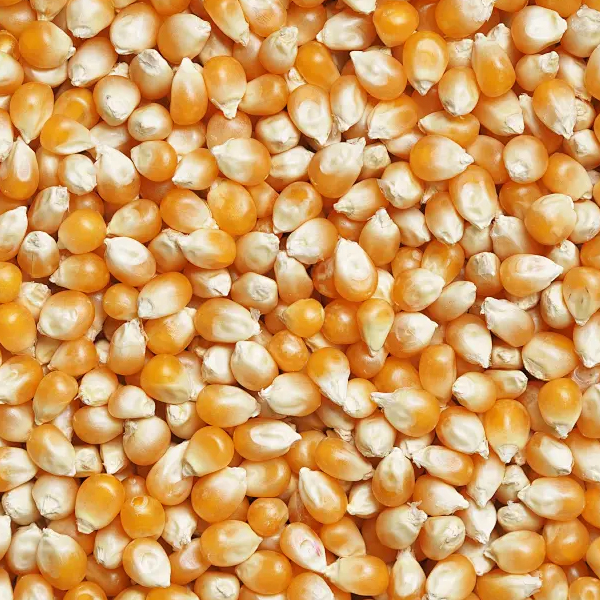
Planting Areas and Patterns: Maize is Mexico’s core food crop, widely cultivated. The northwestern state of Sinaloa is a major winter maize producing region with excellent irrigation conditions and extremely high yields. The central highlands and southern regions primarily utilize rainfed cultivation, often employing the traditional “milpa” intercropping pattern, balancing yield and ecological stability. In 2023/24, drought reduced the harvested area to 6.1 million hectares, recovering to 6.5 million hectares in 2024/25. The USDA predicts 6.8 million hectares for 2025/26.
Yield Performance: Mexico’s average maize production from 2018 to 2022 was 27.3 million tons. Due to drought, production declined in the 2023/24 and 2024/25 seasons, with an estimated output of 23.7 million tons in 2024/25. Production is projected to rebound to 26 million tons in 2025/26 with the arrival of the rainy season. In terms of production structure, approximately 86% of the national maize production is white maize, mainly for human consumption, while 14% is yellow maize, primarily used for animal feed, with yellow maize being highly dependent on imports.
Yield levels: There is a significant difference in yield between irrigated and rainfed maize. In 2020, irrigated maize yields reached 8.8 tons/hectare, while rainfed maize yields were only 2.5 tons/hectare. Sinaloa state, a high-yield representative, is projected to achieve an average white maize yield of 10.28 tons/hectare in 2025, while yields in the southern rainfed regions are mostly between 2.8 and 4 tons/hectare.
Legume Cultivation and Yield
Cultivation Area and Area: Major legume producing areas are concentrated in the central highlands of Zacatecas, Durango, and Chihuahua, accounting for over 70% of the national output. The planted area in 2024 was approximately 900,000 hectares, a 36% decrease from the government’s initial forecast of 1.4 million hectares. This decrease was attributed to factors such as farmers shifting to water-efficient crops and diversifying their planting to mitigate risk.
Yield and Yield per Hectare: The average yield of legumes in 2024 was 780 kg/ha, a 30% increase from 600 kg/ha in 2023. Yields were 800 kg/ha in irrigated areas and 760 kg/ha in rain-fed areas. This increase was primarily due to abundant rainfall and reduced pests and diseases.
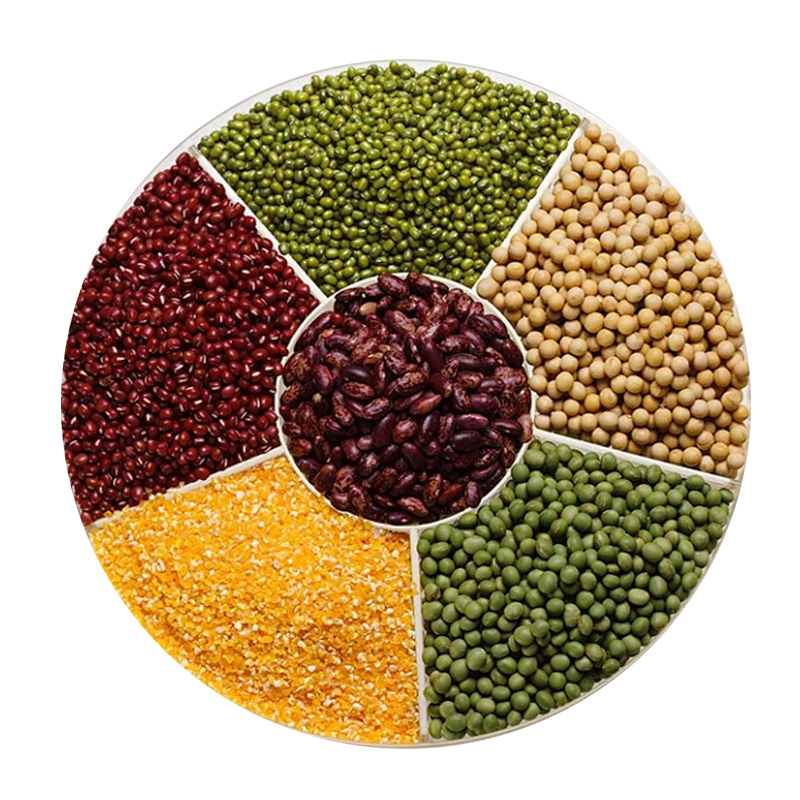
Variety structure: It presents a pattern of “three dominant and many distinctive varieties”. Black beans account for 53%, mainly produced in Durango and Zacatecas, and are an important variety of staple food consumed by Mexicans; there are also green beans, cowpeas, etc., some of which are used for export and processing.
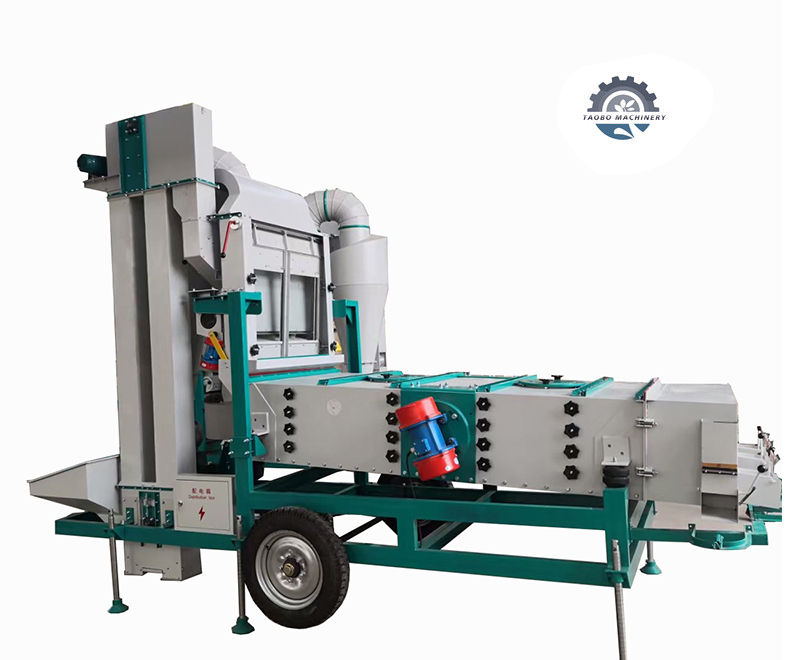
The air-screen cleaner is a core piece of equipment for the initial cleaning and grading of corn and beans. It works through a combination of air separation to remove light impurities and vibrating screen grading to remove impurities of varying sizes. It features a compact structure, simple operation, and high cost-effectiveness, making it suitable for initial cleaning in farms, pre-processing in small and medium-sized processing plants, and pre-warehouse cleaning. It also serves as a prerequisite for subsequent gravity separators and destoners, perfectly suited to the characteristics of large corn kernels and regularly shaped bean kernels.
I. Core Working Principle (Optimized Design for Corn/Beans)
The equipment consists of two core modules: an air separation system and a screening and cleaning system. These two modules work together to precisely remove impurities from corn and beans:
Air Separation System: Utilizes an adjustable centrifugal fan and a guide duct to generate a stable, grading airflow. This blows light impurities (dust, straw fragments, shriveled kernels, and light straw) from the corn/beans into the dust collection device. The fan volume can be adjusted independently to prevent corn kernels and bean seeds from being carried away by the airflow.
Screening and Cleaning System: Employs a multi-layered vibrating screen (usually 2-3 layers). An eccentric shaft/electromagnetic vibration drives the screen surface to vibrate linearly/elliptically. The screen surface is equipped with different sized mesh sizes. The upper layer removes large impurities (corn cobs, large stones, bean stalk fragments), while the middle layer removes corn/bean impurities. Beans are graded by particle size. Small impurities (sand, pebbles, broken grains, and shriveled seeds) are filtered out by the lower sieve. Impurities on and off the sieve are discharged through the discharge port, while qualified seeds are collected from the middle discharge port.
Core Advantages of Corn/Bean Cleaning (Targeted Optimization)
High Cleaning Efficiency: Designed specifically for different types of impurities in corn and beans, it achieves a light impurity removal rate of ≥98% and a large/small impurity removal rate of ≥95%, resulting in a qualified kernel cleanliness of over 90%, meeting the standards for initial cleaning and warehousing.
Low Kernel Loss: Airflow and vibration frequency are independently adjustable, and equipped with a kernel damage prevention guide plate, ensuring a corn kernel loss rate of ≤1% and a bean kernel loss rate of ≤0.5%, preventing waste of valuable bean kernels.
High Adaptability: The same equipment can be modified by changing the sieve plate (5… (Quick changeover in minutes) Adaptable to different varieties of corn (sweet corn, waxy corn, regular corn) and beans (black beans, kidney beans, soybeans, cowpeas) without the need for additional core component replacements; Easy to operate: Equipped with a simple control panel, airflow and vibration frequency are adjusted via knobs, requiring no professional technicians, farm workers can quickly get started; Small footprint: The overall structure is compact, small models can be moved directly to fields or drying yards, and medium-sized models can be placed in a corner of a processing plant workshop, without the need for a large area to be planned separately.
Post time: Feb-03-2026