
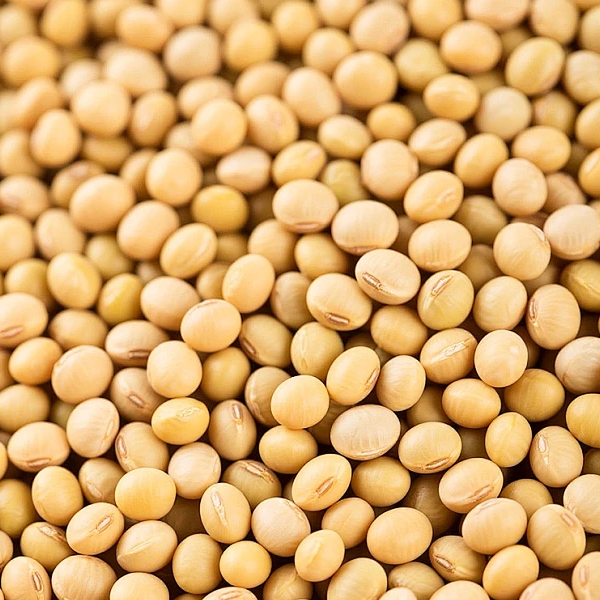
The core difference between cleaning equipment for beans and sesame stems from the significant differences in the physical properties of the materials: sesame seeds have extremely small particle size (thousand-seed weight 2-4g), are light and easily clump together, while beans have large particle size (thousand-seed weight varies from 100 to 800g), are plump and hard, and have a more significant difference in specific gravity. Therefore, the two have fundamental differences in the selection and matching of cleaning equipment, parameters of core components, and process focus. Moreover, the requirements for equipment precision, anti-clogging and anti-damage in sesame cleaning are much higher than those for beans.
I. Differences in the Selection and Use of Core Cleaning Equipment
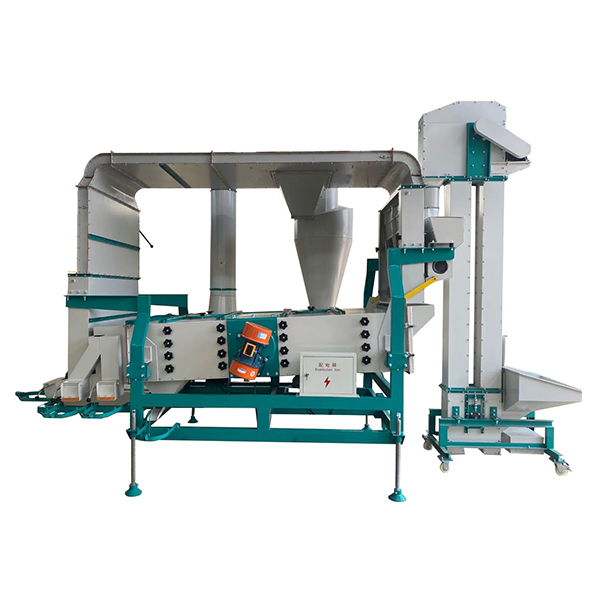
Both types of cleaning utilize two basic pieces of equipment: air-screen cleaners and gravity separators. However, their purposes, core components, and operational requirements are completely different.
Air-screen cleaner: For beans: Primarily used for coarse cleaning, removing straw, clods, shriveled husks, and small impurities. The screen is a coarse sieve (3-10mm aperture), mostly round/oblong holes. The blower has a medium-to-high airflow rate and a wide adjustable speed range, mainly utilizing a combination of particle size and airflow for separation. For sesame: Primarily used for pre-cleaning before fine cleaning, removing dust, fine soil, broken stems, and very small shriveled seeds. The screen is a micro sieve (0.8-2mm aperture), a dedicated nylon fine sieve/stainless steel microporous sieve. The blower has a low and precise airflow rate; excessive airflow will blow away qualified sesame seeds, only lightly removing surface dust.
Air-screen cleaner Gravity separator: Beans: Core function for fine cleaning, removing beans with similar specific gravity, shriveled beans, and insect-damaged beans; the material layer thickness can be slightly thicker (5~15mm), with a medium vibration frequency and moderate blower pressure. Utilizing gravity + vibration separation, it is a key piece of equipment for bean cleaning. Sesame: For high-end fine cleaning (can be omitted for ordinary grades), removing shriveled and moldy seeds with slightly lower specific gravity; the material layer must be extremely thin (1~3mm), with a low and gentle vibration frequency, and precise air pressure control to prevent sesame seeds from clumping or being blown away. The equipment needs anti-sticking treatment (polished inner wall).
II. Differences in Core Component Parameters of Key Equipment When using the same type of equipment (such as an air screen or gravity separator) to handle beans and sesame, the core parameters of the screen, fan, and vibration system must be thoroughly adjusted. There are no universal parameters. This is crucial to avoid incomplete cleaning and material loss. The core differences are concentrated in three points:
Screen Parameters: Bean cleaning screens have large apertures, coarse wires, and high open area ratios, and are mostly hard metal screens, which are wear-resistant and impact-resistant. Sesame cleaning screens have extremely small apertures, fine wires, and low open area ratios, and are mostly soft nylon screens or ultra-thin stainless steel screens. They require a high-frequency micro-vibration device to prevent sesame seeds from clogging the screen holes (sesame seeds contain a small amount of oil and easily stick to the screen).
Air system parameters: For bean cleaning, high air velocity and high air pressure are required. The blower outlet can be widely adjusted, even capable of directly blowing away light, shriveled seeds with strong airflow. For sesame cleaning, extremely low air velocity and precise air pressure are required. The blower needs to be equipped with stepless speed regulation and an air curtain guide. The air outlet should have a narrow slit design to prevent excessively high local air velocity from blowing away qualified seeds. Dust screens should also be added to the air duct openings to prevent dust from clogging the ducts.
Vibration system parameters: For bean cleaning, high vibration frequency and large amplitude are required, allowing materials to slide and separate quickly on the screen surface, prioritizing efficiency. For sesame cleaning, low vibration frequency and small, gentle amplitude are required, allowing materials to move slowly and horizontally on the screen surface, preventing clumping and avoiding damage to the sesame seed skin (damaged skin easily releases oil, leading to sticking during subsequent cleaning and mold growth during storage).
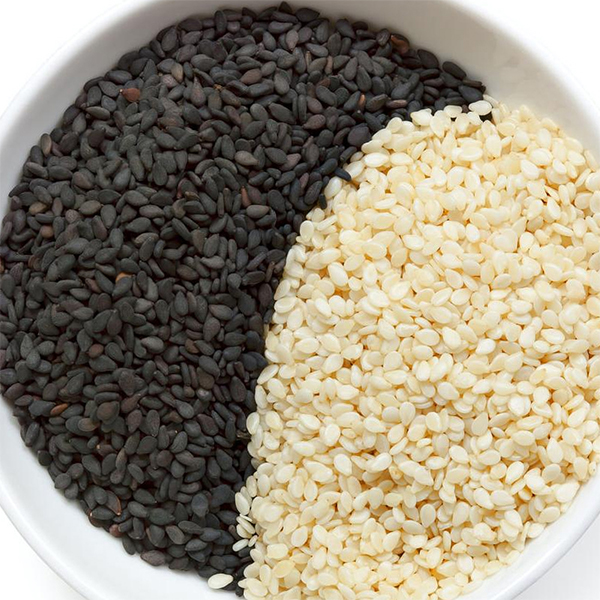
III. Differences in the Overall Cleaning Process Combination The cleaning process for beans is simple; coarse cleaning + fine cleaning is sufficient, requiring fewer equipment and resulting in high operational efficiency. The cleaning process for sesame is complex; pre-cleaning is crucial, requiring multiple fine cleaning and grading stages, necessitating more equipment and stringent environmental requirements (dust and moisture control). Specific process flow comparisons are as follows:
1. General Cleaning Process for Beans (Suitable for soybeans, peas, kidney beans, broad beans, etc.)
Raw material → Drum screen / Coarse air screen (coarse removal of large impurities + clods) → Air screen cleaner (secondary removal of shriveled seeds + small impurities) → Gravity separator (fine removal of adjacent stones + insect-damaged beans) → Finished product grading (optional)
2. General Cleaning Process for Sesame (Suitable for white sesame, black sesame, flax, etc.)
Raw material → Sesame-specific pre-cleaner (breaks up clumps + removes large stalks + fine dust) → Fine air screen cleaner (fine removal of shriveled seeds + broken stems) → Micro sieve grading machine (grading by particle size, removing ultra-small / Extra-large seeds) → Gravity separator (optional for high-end products, removes moldy/shriveled seeds) → Electrostatic impurity remover (optional, removes sticky dust) → Finished product
Core: Pre-cleaning + fine sieving is key. If pre-cleaning is not thorough, clumped sesame seeds will clog the subsequent fine sieving, resulting in incomplete cleaning. The entire process requires intermittent feeding, and the environment must be dust-proof (sesame seeds are light and dust easily mixes in) and moisture-proof (sesame seeds absorb moisture and easily clump together).
Post time: Jan-29-2026