Complete pinto bean cleaning equipment and core functions
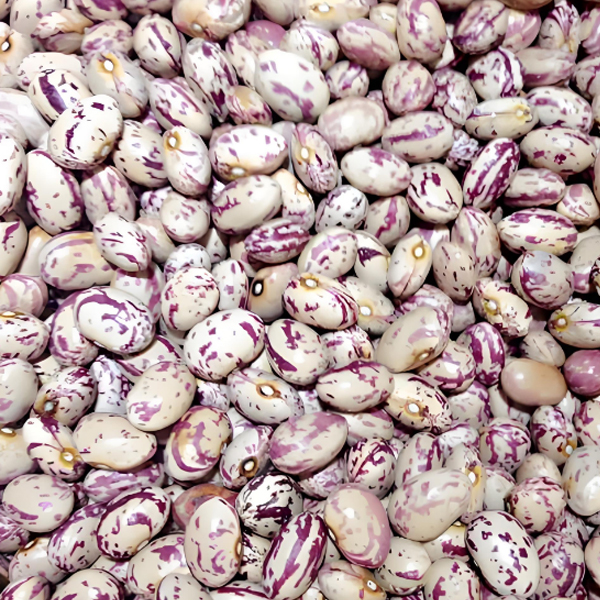
Raw pinto beans contain impurities such as stalks, dust, stones, metal, shriveled beans, moldy beans, off-colored beans, broken fragments, and soil clumps. The production line is configured with a progressive sequence of equipment—pre-cleaning, coarse cleaning, destoning, gravity separation, polishing/brightening, color sorting, and grading—relying entirely on physical property differences to separate impurities and meeting the high standards required for export, food processing, and seed processing.
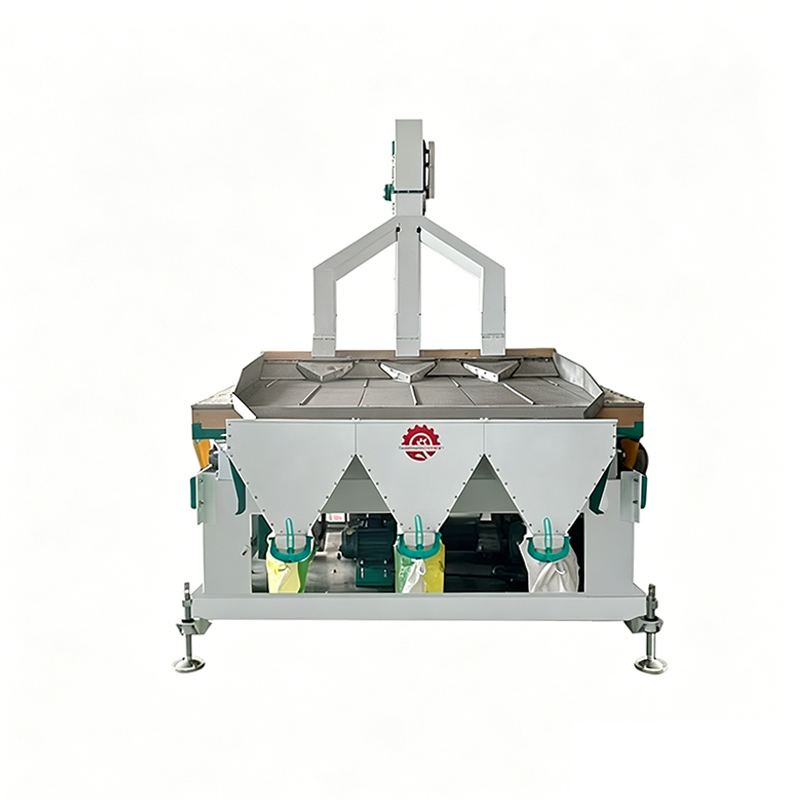
I. Air Screen Cleaner (Core unit for initial coarse cleaning)
Functions
Air-based dust removal: Extracts light impurities such as bean skins, dust, stalk fragments, empty pods, weed seeds, and shriveled husks;
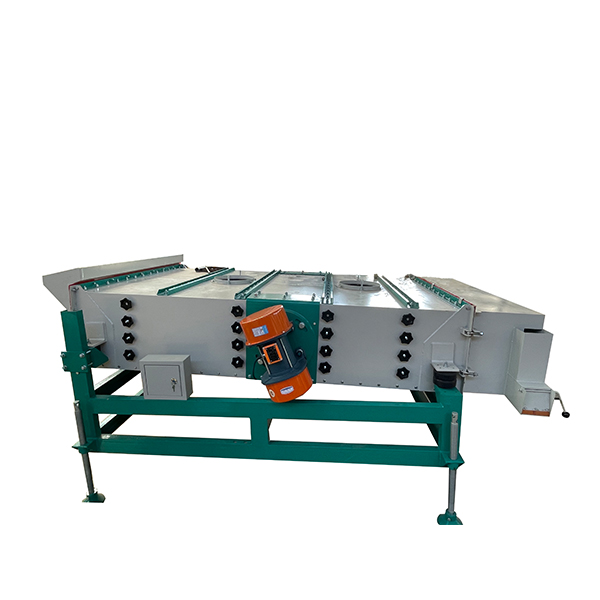
Multi-layer grading/screening: Large-aperture screens remove large impurities (twigs, soil clumps, large stones, clumping pods), while small-aperture screens remove fine sand, broken beans, and weed seeds;
Performs preliminary separation of intact pinto beans and completes the first stage of coarse cleaning, thereby reducing the load on downstream equipment and preventing blockages in screens and gravity separation tables.
Addressing pinto bean processing challenges
Pinto beans often contain significant amounts of vines, soil, and pod fragments upon harvest; this machine efficiently removes the vast majority of light impurities and those varying in size in a single pass.
II. Destoner (Removal of heavy stones and grit)
Function
Separates materials into layers based on the difference in specific gravity between the beans and the stones or soil clods:
Separates “peer stones” (stones similar in size to the beans that cannot be removed by screening) and hard soil clods;
Simultaneously separates severely shriveled beans, insect-damaged hollow beans, and lightweight, immature beans;
Prevents hard stones and grit from abrading the polishing machine and the chutes of the color sorter, thereby protecting downstream precision equipment.
III. Magnetic Separator
Function
Captures iron nails, wire, metal fragments, and soil clods mixed in with the raw grain;
Prevents hard metal objects from damaging color sorter components or huller screens, thereby eliminating processing safety hazards;
Installed at two locations—upstream of the intake elevator and downstream of the gravity separator—to ensure dual-stage interception of metal impurities.
IV. Bean Gravity Separator (High-Precision Purification)
Function
Utilizes high-precision density-based separation to process mottled beans that meet size specifications but suffer from poor internal quality:
Removes moldy, insect-damaged, shriveled, and sprouted beans, as well as hollow or broken fragments;
Conveys plump, high-quality beans upward while diverting and discharging lightweight, inferior impurities, significantly increasing the final product yield;
Can serve as a specialized processing step for seed-grade beans to enhance germination rates.
V. Bean Polisher (Surface Cleaning and Brightening)
Function
Uses friction to remove soil, black spots, residual hulls, and dust adhering to the bean surface;
Polishes away surface mold on damaged edges, unifies skin luster, and minimizes color variations;
Improves downstream color sorting accuracy by over 30%, reduces sorting errors, and enhances the visual appeal of the finished product.
6. Color Sorter (Precision sorting by color and foreign matter)
Specialized color sorter for beans
Function
High-speed cameras identify colors, spots, and defects, while high-pressure air jets eject substandard items:
Removes moldy beans with black spots, discolored or insect-damaged beans, and spotted/damaged beans;
Separates out mixed foreign beans (soybeans, adzuki beans, weed seeds), plastics, and discolored soil particles;
Available in dual-channel or multi-channel models; achieves over 99.5% purity in batch processing, meeting export inspection standards.
7. Grading machine (Size sorting and custom grading)
Function
Grades beans by particle size: separates large, medium, and small beans as well as broken fragments for discharge;
Distinguishes between premium whole beans and broken beans to suit different sales channels (e.g., whole bean consumption vs. bean flour processing);
Screens out minor fragments generated during polishing and color sorting to ensure uniform product specifications.
8. Auxiliary Conveying Equipment (System integration)
Z-type stainless steel bucket elevator: Enclosed transport of beans minimizes breakage and dust generation, ensuring no secondary contamination throughout the process;
Dust removal system: Negative-pressure dust extraction across the entire production line collects dust and light impurities, improving the workshop environment and preventing mold growth caused by dust accumulation.
Key Benefits of Impurity Removal for Pinto Beans
Protecting downstream processing equipment and reducing losses
Grit, stones, and metal fragments can scratch or damage precision components—such as color sorters, polishers, and screens—leading to significantly higher maintenance costs and downtime. Pre-processing steps like grading and impurity removal minimize material blockages and extend equipment lifespan.
Enhancing product appearance and market value
Removing black spots, discolored or defective beans, broken fragments, and surface dust/soil ensures uniform color and intact kernels. Grading allows for channel-specific sales: premium beans command a significant price premium, while broken beans can be processed separately into bean flour, maximizing overall raw material utilization.
Ensuring germination quality for seeds
Eliminating shriveled, pre-germinated, insect-damaged (hollow), and moldy beans ensures seed plumpness and effectively boosts germination rates, thereby reducing issues such as uneven emergence and high disease incidence after sowing.
Post time: Jul-17-2026