
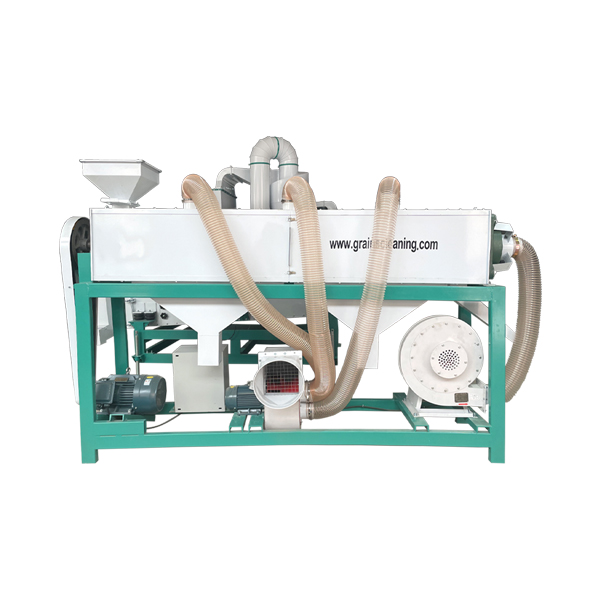
I. Working Principle (Flexible Cotton Cloth Friction Method – Mainstream Model)
Mung beans enter the polishing chamber at a steady rate. The internal main shaft is equipped with a spiral conveying structure and multi-layered, wear-resistant cotton polishing rollers. As the shaft rotates smoothly at low speed, the spiral blades slowly advance the beans while simultaneously creating a dynamic, flowing layer of beans within the cylinder.
Dual-Action Friction: The process involves friction between the mung bean kernels themselves and gentle rubbing against the cotton rollers. It relies purely on physical friction to remove surface dust, mud spots, surface mold, and residual skin fragments.
Negative-Pressure Dust Collection: A 304 stainless steel screen surrounds the cylinder; dislodged dust and fine debris pass through the screen and are collected by an external dust extraction system. The cleaned mung beans continue moving forward and are discharged through the outlet.
Key Flexible Design Feature: The machine contains no rigid scrapers. Instead, it relies on the flexible contact of cotton cloth to polish only the surface layer without cutting into the bean skin, thereby minimizing the risk of cracking or breakage.
II. Core Advantages for Mung Bean Processing
1. Enhanced Product Appearance and Higher Market Value
Effectively removes common issues such as mud stains, surface mold spots, and whitish surface dust. After polishing, the beans exhibit a bright, uniform color, eliminating any dull or hazy appearance. This is an essential step for export-grade and retail-packaged mung beans, visibly improving their market appeal.
2. Physical Processing with No Additives; Meets Food Export Standards
The process involves no water or chemical agents—only dry friction treatment. It preserves the bean’s intrinsic quality and does not affect germination rates (making it suitable for seed-grade mung beans), thereby complying with food safety regulations for food processing plants and cross-border agricultural exports.
3. Low Breakage Rate and Minimal Raw Material Loss
Utilizes a flexible cotton cloth friction mechanism, distinguishing it from rigid grinding equipment. By precisely controlling the cylinder clearance and main shaft speed, the breakage rate remains extremely low under normal operating conditions, maximizing the preservation of whole beans and reducing product loss.
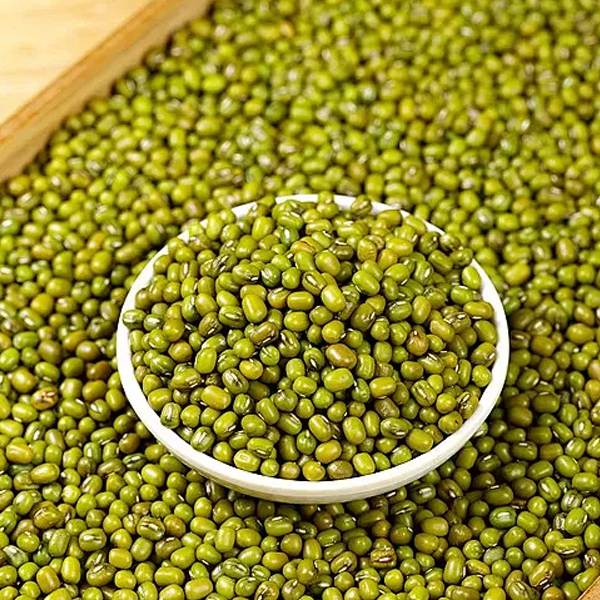
4. Optimized backend color-sorting performance
Dust and mold spots on the surface of mung beans can interfere with color-sorting camera recognition. Polishing removes these surface impurities, enhancing color differentiation; this reduces false rejections by the color sorter, improves product purity, and consistently meets the 99.5% premium-grade standard.
5. Integrated dust removal system for a clean production environment
Dust is collected via a centralized negative-pressure system, preventing airborne dust in the workshop. The equipment features a simple structure with easily removable cotton rollers, making daily cleaning and maintenance straightforward; it can also be paired with a Z-type elevator to enable an automated, continuous production line.
6. High versatility; compatible with various production line specifications
Single-unit throughput ranges from 1 to 6 tons per hour, allowing the machine to be integrated into large-scale mung bean processing lines or operated as a standalone unit. In addition to mung beans, it can also polish other grains and legumes, such as adzuki beans, kidney beans, and soybeans.
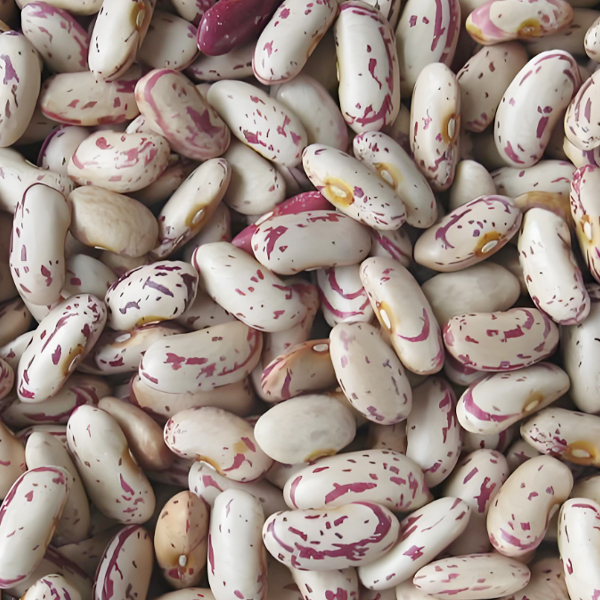
Scope of Application for Legume Polishing Machines
I. Primary Application: Coarse Grains/Legumes
Edible Legumes
Mung beans, adzuki beans, kidney beans (including white and black varieties), chickpeas, pinto beans, lentils, soybeans, green soybeans, black soybeans, cowpeas, pigeon peas, etc.
II. Material Suitability and Operating Conditions
Raw Material State: Dry grain; recommended moisture content ≤14%. Damp material tends to stick and clog the processing chamber, significantly reducing polishing effectiveness and potentially fostering mold growth or contaminating the polishing rollers.
Material Form: Hard, granular, dry produce; suitable for round or oval-shaped grains. Not suitable for raw materials containing excessive amounts of powder or fine debris.
Pre-processing Requirements: Hard impurities such as stones, metal fragments, and tough stalks must be removed beforehand, as hard objects can damage the cotton polishing components.
III. Applicable Processing Scenarios
Premium Processing of Commercial Grain: Polishing and removing soil stains from packaged coarse grains (for domestic supermarkets) or premium export-grade grains to enhance visual appeal and color;
Seed Processing: Cleaning dust and mold deposits from seed surfaces without damaging the seed coat or compromising germination rates;
Food Ingredient Pre-treatment: Pre-processing raw materials for soy product and coarse grain facilities to reduce dust and optimize the performance of subsequent color-sorting equipment;
Agricultural Export Production Lines: Meeting international standards for chemical-free food processing through dry, physical polishing, ensuring compliance for export.
Post time: Jul-29-2026