
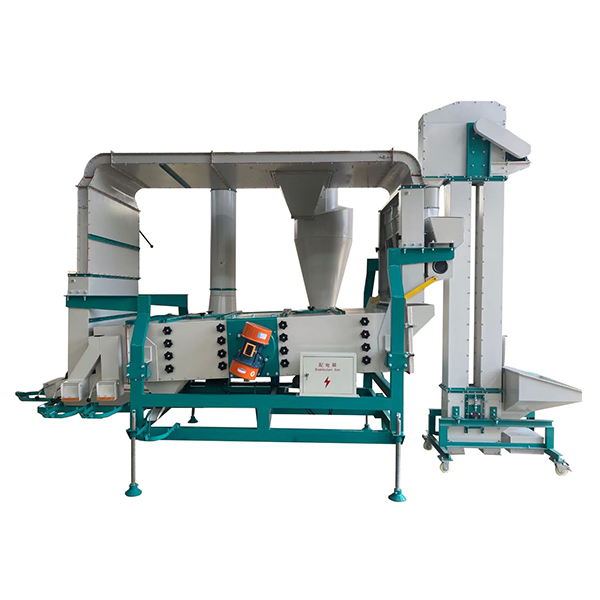
The core mechanism of TAOBO air screen cleaner—whether processing sesame seeds or coffee beans—relies on a combined approach: pneumatic separation (based on specific gravity and critical velocity) paired with vibratory screening (based on size). For sesame seeds, the primary focus is the removal of fine, light impurities and small particles; for coffee beans, the emphasis shifts to eliminating hulls, large debris, and heavy impurities. While the overall process flow remains similar, the specific sieve configurations and airflow parameters are tailored to the distinct characteristics of each crop.
I. General Working Principles
The system leverages the inherent differences between the target material and its impurities—specifically regarding their aerodynamic properties (critical velocity), geometric dimensions, and specific gravity—to achieve separation through the synergistic action of a controlled airflow (generated by a fan) and a multi-layer vibratory sieve:
Pneumatic Separation: A fan generates a steady airflow; light impurities (such as dust, husks, shriveled grains, and shell fragments) are blown away or suctioned off, while the heavier, desirable material (full-bodied grains) settles.
Vibratory Screening: The vibratory sieve grades the material based on aperture size: the upper layer removes large impurities (such as stalks, stones, and large clumps of soil); the middle layer retains the qualified, marketable grains; and the lower layer removes fine impurities (such as fine sand and broken grain fragments).
Vibratory Stratification: The reciprocating motion of the sieve surface causes the material to automatically stratify; heavier grains sink to the bottom while lighter impurities float to the top, thereby significantly enhancing separation efficiency.
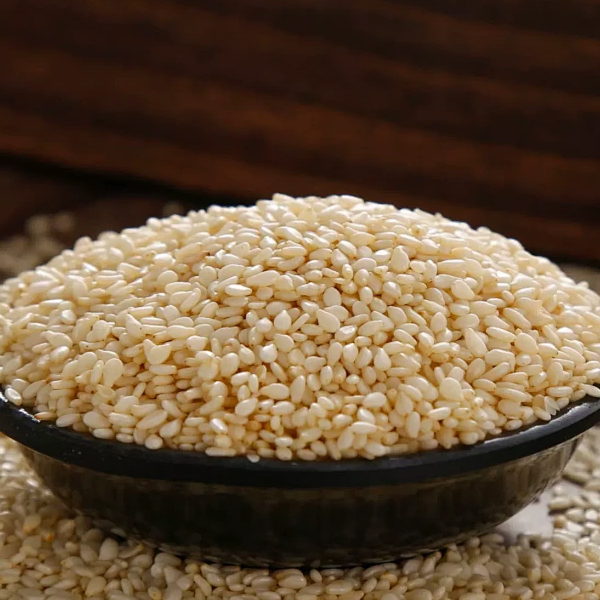
II. Sesame Cleaning (Small-grained, High in Light Impurities and Fine Sand)
1. Key Structural Features
Sieve Configuration: Three-layer vibrating screen
Upper Layer: 8–12 mesh (removes stalks, grass seeds, and large soil clumps)
Middle Layer: 20–40 mesh (retains whole sesame seeds; removes fine sand and broken seeds)
Lower Layer: 60–80 mesh (removes dust and fine ash)
Airflow: Low–Medium Pressure (wind speed 2–4 m/s) to prevent blowing away plump sesame seeds; negative-pressure suction is primarily employed to prevent dust spillage.
2. Detailed Process
Feeding and Spreading: Sesame seeds pass through the hopper → onto a vibrating stepped plate, ensuring even dispersion and preventing clumping.
Primary Air Separation (Pre-suction): Airflow carries away floating dust, sesame hulls, shriveled seeds, and grass clippings, directing them into a settling chamber for separation and discharge.
Multi-layer Vibrating Screening:
Upper Sieve: Large impurities (stalks, stones) are discharged from the impurity outlet at the tail end.
Middle Sieve: Whole sesame seeds fall to the layer below; broken seeds and fine sand pass through the mesh to the bottom layer.
Lower Sieve: Fine ash and dust are drawn away by the airflow; broken sesame seeds are collected separately.
Secondary Air Separation (Post-suction): The material is subjected to a second round of air separation after screening to remove any residual light impurities and immature, shriveled seeds.
Discharge: Clean sesame seeds are discharged from the clean grain outlet; impurities are collected via separate outlets (categorized as light impurities, large impurities, and fine impurities).
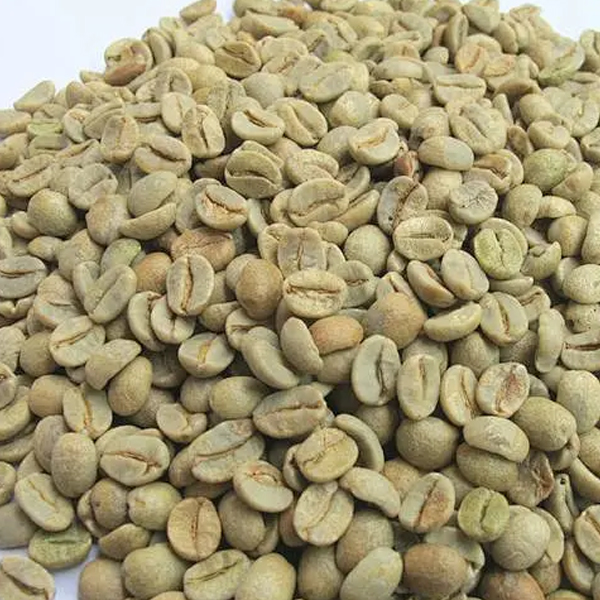
III. Coffee Bean Cleaning (Medium-to-Large Grains; Containing Hulls / Stones / Coarse Impurities)
1. Key Structural Features
Sieve Configuration: Two-layer / Three-layer vibrating screen
Upper Layer: 6–8 Mesh (Removes large hulls, large stones, and twigs)
Middle Layer: 10–14 Mesh (Retains whole coffee beans; removes small pebbles and broken hulls)
Lower Layer: 20–30 Mesh (Removes fine dust and broken beans)
Airflow: Medium pressure (Wind speed: 3–5 m/s); combines positive and negative pressure for highly efficient removal of hulls and light impurities.
2. Detailed Process
Feed Dispersion: Coffee beans (typically post-hulling) pass from the hopper to a vibrating spreader, where they are distributed evenly across the surface.
Primary Air-Separation (De-hulling): Transverse/longitudinal airflow blows away seed hulls, silver skin, airborne dust, and shriveled beans; these are directed into a cyclone dust collector for separation and collection.
Vibrating Screening & Grading:
Upper Sieve: Large hulls, twigs, and large stones are discharged from the tail end.
Middle Sieve: Whole coffee beans remain on the screen surface, while small pebbles and broken hulls pass through the mesh to the layer below.
Lower Sieve: Fine dust and broken beans pass through the mesh and are discharged via a bottom scraper mechanism.
Secondary Air Selection (Light Defects): A secondary suction airflow positioned above the sieve surface removes insect-damaged, moldy, and underdeveloped beans (which have a lower specific gravity).
Separation of Heavy Impurities (Optional): Certain models are equipped with a specific gravity table to separate stones and metal particles (which have a higher specific gravity).
Discharge: Clean coffee beans are discharged through the designated clean-bean outlet; hulls, dust, stones, and defective beans are collected separately via their respective outlets.
Post time: Apr-24-2026