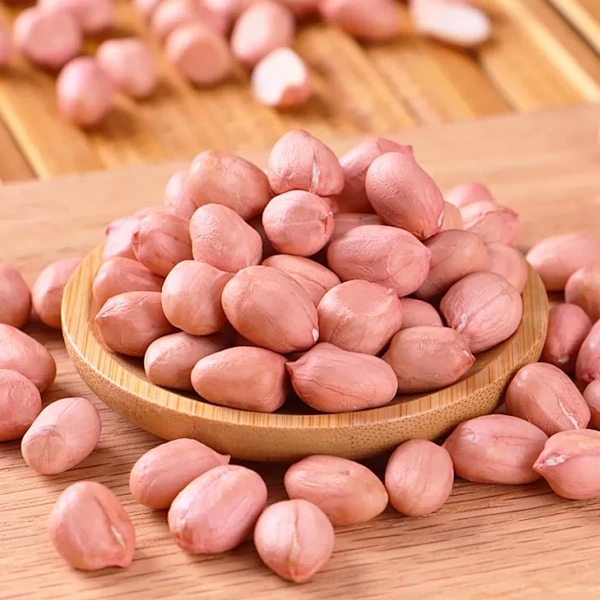
Harvested and sun-dried peanuts often contain a wide variety of impurities—categorized primarily as light impurities, heavy impurities, and defective pods—present in uneven proportions; managing this contamination is a major challenge in the preliminary stages of peanut processing. Light impurities consist mainly of stalks, withered leaves, weeds, shriveled empty shells, and dust or debris. Heavy impurities typically include hard particles such as soil clods, sand, gravel, and grit picked up during harvesting. Additionally, the raw material is often mixed with substandard pods, including moldy, insect-damaged, broken, or shriveled ones. Without professional cleaning equipment, these impurities can negatively impact downstream processing, product quality, and production machinery; thus, a specialized cleaning process is essential. Manual cleaning is inefficient and incomplete, failing to meet the demands of large-scale production, whereas specialized cleaning equipment offers comprehensive, targeted impurity removal. Air-screen cleaners efficiently separate light debris and soil particles of various sizes—as well as shriveled empty shells—by combining air separation with vibrating screen sifting. Specific-gravity destoners utilize density differences to precisely remove sand, gravel, and soil clods, thereby preventing hard impurities from damaging downstream equipment like shellers and oil presses, reducing the risk of equipment failure, and extending service life. Furthermore, specialized screening equipment effectively sorts out moldy or damaged pods, mitigating the risk of aflatoxin proliferation at the source and ensuring the safety and consistent quality of the final peanut products. In summary, using professional equipment to remove impurities from peanut pods enhances cleaning efficiency and purity, lowers labor costs, protects production machinery, and optimizes product quality—making it an indispensable step in peanut storage, sales, and deep processing.
List of Cleaning Equipment and Their Functions
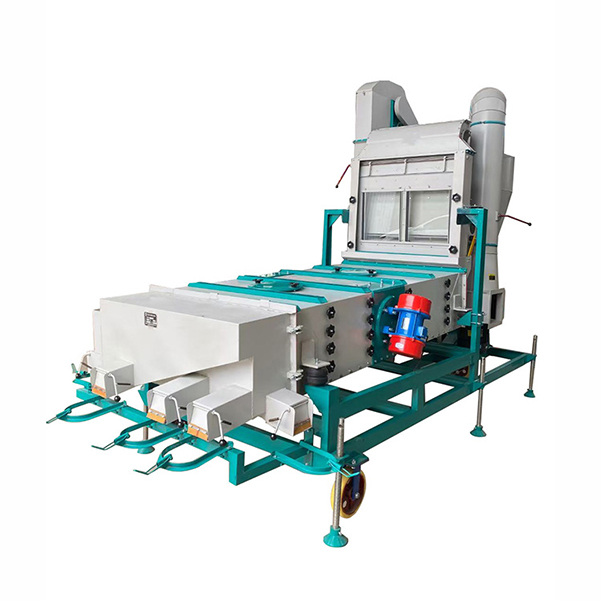
1. Air-Screen Cleaner (Core equipment; the standard primary choice)
Working Principle: Combines airflow separation (winnowing) with multi-layer vibrating screen grading.
Functions: Removes light impurities (stems, leaves, dust, empty shells, skin fragments); separates large impurities (soil clods, long stalks) and small impurities (sand, fine debris) using screens with varying aperture sizes; performs preliminary separation of intact product.
Applications: Initial pre-processing for unshelled peanuts and peanut kernels.
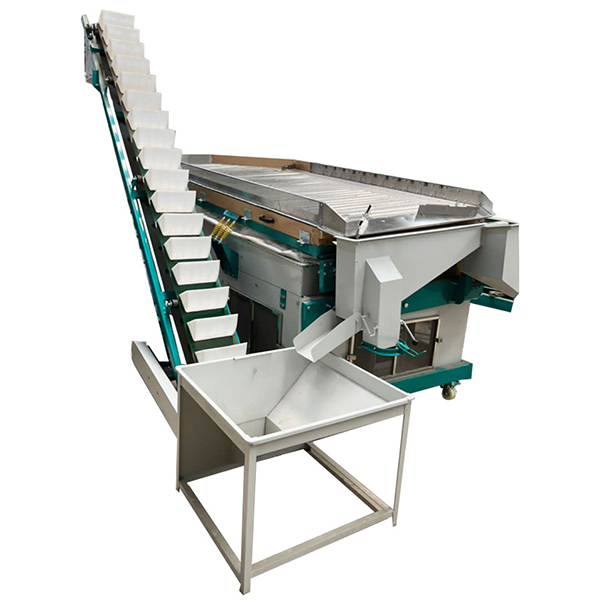
2. Gravity Destoner (Essential)
Working Principle: Exploits density differences between the product and stones; uses vibration and airflow to stratify the material, allowing heavier stones to rise and separate.
Functions: Removes sand, gravel, and mud clods mixed with the peanuts; prevents wear and tear on downstream equipment such as shellers and oil presses.
Key Note: Mandatory for peanut kernel processing; highly recommended for unshelled peanuts containing significant amounts of stones.
3. Peanut Polisher (Optional; for refined processing)
Working Principle: Low-speed, gentle friction polishing.
Functions: Removes loose red skin, dust, and black spots from the kernel surface; cleans off adhering soil; improves visual appeal; commonly used for food-grade peanut kernel processing.
4. Color Sorter (Optional; for high-end finished products)
Functions: Precisely rejects moldy peanuts, aflatoxin-contaminated kernels, discolored kernels, insect-damaged kernels, and residual stones; a critical piece of equipment for the refined processing of peanuts intended for food use or export.
5. Grading Screen (Optional)
Sorts unshelled peanuts or peanut kernels into different size categories or grades to meet market requirements for graded sales.
The Significance of Cleaning Impurities from Peanut Pods
Raw peanuts often contain various impurities such as soil, stones, stems and leaves, shriveled pods, moldy or rotten peanuts, insect-damaged pods, broken kernels, metal debris, and clods of earth. Sorting and removing these impurities using a complete cleaning system is an essential preliminary step for deep processing, commercial sales, and seed processing.
1. Protecting Downstream Equipment and Reducing Production Losses
Stones, hard soil clods, and metal impurities in the raw material can easily wear down or scratch the rollers of shellers, oil presses, and roasting equipment; in severe cases, they can cause equipment jams or damage components. Removing hard impurities beforehand significantly reduces equipment breakdowns, extends machinery lifespan, and ensures the continuous, stable operation of the production line.
2. Enhancing Product Quality and Meeting Market Standards
Removing moldy pods, insect-damaged kernels, and moldy peanuts effectively lowers the risk of aflatoxin contamination. Eliminating shriveled kernels, damaged pods, weeds, and dust results in a clean, uniform appearance. Commercial sales, kernel exports, and snack processing all require strict purity standards; cleaning ensures product uniformity, increases selling prices, and complies with domestic and international food inspection requirements.
3. Ensuring Food Safety
Moldy peanuts pose food safety risks, while soil and weeds carry significant dust and microorganisms; these impurities also complicate subsequent washing and roasting processes. Precision cleaning removes harmful peanuts and contaminants at the source, safeguarding downstream peanut oil and food processing while avoiding the risks of product returns or penalties due to failed quality inspections.
4. Reducing Inefficient Transport and Processing Costs
Dust, stalks, and empty or shriveled pods are valueless impurities; transporting, roasting, and pressing them along with the raw material wastes storage and transport space and consumes extra fuel and electricity. Removing these useless impurities reduces the total volume of material to be processed, thereby saving on storage, energy, and logistics costs.
5. Meeting Diverse Processing Needs and Expanding Application Channels
Distinguishing between intact pods, plump kernels, and shriveled grains allows for graded processing: high-quality pods can be used as commercial dried peanuts or seeds; qualified kernels can be supplied to oil presses or food factories; and substandard pods can be recovered and utilized separately. Graded cleaning maximizes the value of raw materials while meeting the grading standards of diverse customers—including those involved in seed processing, export trade, and edible oil processing.
Post time: Aug-03-2026