
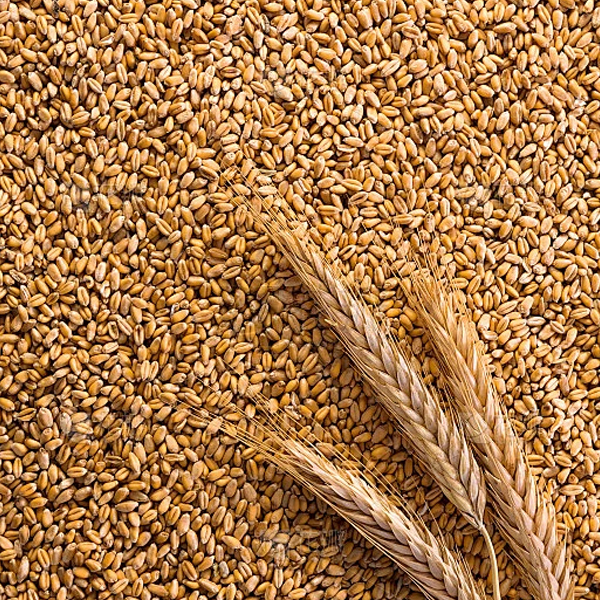
Raw wheat harvested and stored by farmers contains a complex mixture of impurities that vary widely in type, weight, and size. These include lightweight, buoyant materials such as straw, chaff, stalk fragments, awns, and dust; large, coarse debris like clods of mud or soil, sack fragments, and weed roots; and particles that are difficult to separate due to their similarity in size to wheat grains—such as sand, soil granules, and stones. Also present are shriveled or undersized grains, sprouted kernels, and grains blackened by *Fusarium* blight, alongside wild oats, weed seeds, and off-colored legumes. Metal debris—such as iron nails and wire fragments—often enters the mix during harvesting and transport, while dirt and mold spots adhere to the crevices of the grain surfaces. This mixture of impurities not only degrades the wheat’s commercial appearance and flour processing quality but also causes wear and blockages in downstream processing machinery. Hard objects like sand and stones can directly damage precision components such as milling rolls and optical sorter lenses, leading to issues ranging from equipment wear and failure to finished products falling short of national standards or export requirements. Achieving standardized impurity removal and purification for raw wheat requires a complete set of specialized cleaning and grading equipment. First, a preliminary cleaning screen is used to rapidly remove large debris—such as straw stalks and large clods of soil—thereby preventing line blockages. Next, an air-screen cleaner performs simultaneous air separation and multi-layer screening to blow away light impurities like chaff and dust while separating out large debris, fine weed seeds, and broken wheat kernels. Specific-gravity separators and destoners are employed to precisely remove stones and heavy soil clumps that are similar in size to the wheat kernels, utilizing the principle of separation based on material density. A grading screen then finely sorts the wheat by kernel size, further eliminating irregularly shaped weed seeds and shriveled, underdeveloped grains. Magnetic separators installed in the pipelines capture soil clumps, preventing hard objects from damaging the machinery. For high-quality or export-grade wheat, an optical color sorter is added to remove moldy grains, diseased kernels, and discolored impurities, significantly upgrading the final product quality. With clearly defined roles and seamless process integration, this comprehensive system removes various types of impurities stage by stage, ultimately yielding clean, plump, and high-quality commercial or seed-grade wheat
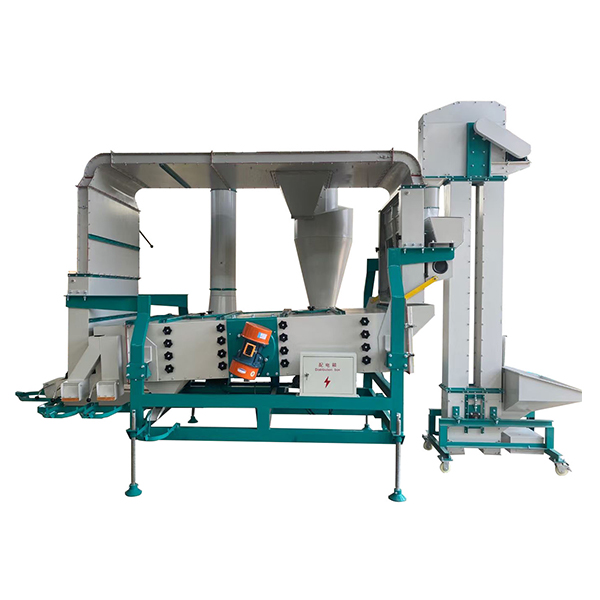
I. Air Screen Cleaner
Function
Air separation and dust removal: Airflow from the fan blows away lightweight impurities such as wheat chaff, dust, broken straw, light/shriveled grains, and awns.
Multi-layer screen grading:
Upper large-aperture screen: Removes large impurities like wheat stalks, clods of soil, and large weeds.
Lower small-aperture screen: Sifts out fine soil, broken grain fragments, and small weed seeds.
Separates plump wheat grains and performs basic coarse cleaning; this is standard primary equipment in wheat processing.
II.Gravity Destoner
Function
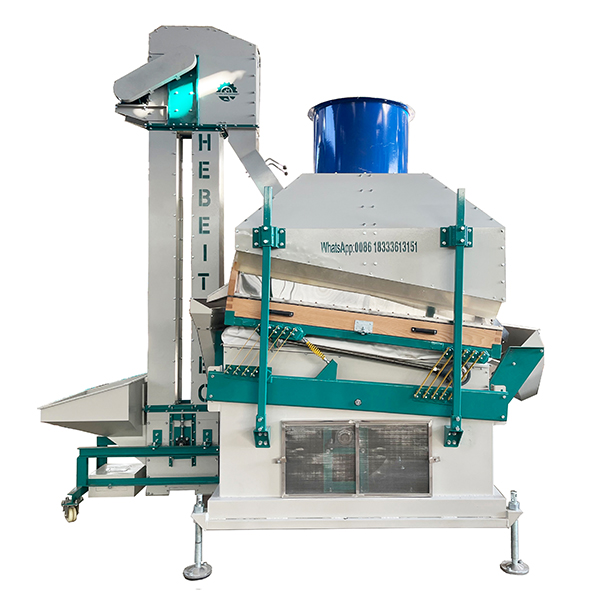
Removes stones and grit that are similar in size to wheat grains (which cannot be separated by screens) by utilizing differences in specific gravity:
Combines a vibrating screen surface with airflow to stratify the mixture, causing heavy stones to sink while wheat grains float.
Uses counter-airflow to collect and discharge stones, thoroughly removing grit, soil clods, and metal particles.
Prevents stones from causing wear or damage to downstream equipment such as color sorters and milling machines.
III. Pre-cleaning Screen
Function
Serves as the first stage of coarse screening when receiving bulk raw grain, utilizing vibration-based separation:
Rapidly removes oversized debris—such as large wheat bundles, sack fragments, large soil clumps, and long stalks—to prevent downstream elevators and cleaning machines from clogging.
IV. Grading machine
Function
Sorts cleaned wheat into multiple grades based on grain size:
Separates extra-large plump wheat, medium-grade commercial wheat, and small, shriveled grains.
Separates weed seeds that are similar in size to wheat (e.g., wild oats, buckwheat, and other weed seeds).
Ensures uniform grain size, leading to better results in subsequent processes such as color sorting, milling, and seed coating.
The Core Significance of Cleaning Equipment for Wheat Impurity Removal
I. Ensuring Processing Equipment Safety and Reducing Maintenance Costs
Freshly harvested wheat often contains hard, bulky impurities such as stones (including those similar in size to wheat kernels), clods of earth, metal fragments, and coarse straw. Without preliminary cleaning, grit and stones can cause rapid wear on milling rolls, color sorter lenses, and elevator blades. Comprehensive cleaning systems remove these hard objects and debris layer by layer, significantly cutting component replacement costs, extending the equipment’s lifespan, and stabilizing the continuous operational efficiency of the production line.
II. Enhancing Finished Wheat Quality to Meet Trading and Export Standards
Commercial Wheat (for flour milling)
Contaminants such as dust, chaff, moldy kernels, diseased wheat, and weed seeds raise ash content and lower bulk density. This results in dark flour with excessive bran impurities and poor texture, failing to meet national procurement standards for flour mills. Multi-stage cleaning—using air separation, gravity separation, and color sorting—ensures the wheat meets bulk density standards and is free from mold and weeds. This significantly improves flour extraction rates, whiteness, and eating quality, commanding a higher procurement premium.
Seed Wheat (for seed processing)
Shriveled, sprouted, and diseased kernels, as well as weed seeds, drastically reduce field emergence rates, leading to weak seedlings and weed proliferation. Cleaning separates plump, healthy kernels from inferior ones; subsequent seed coating ensures uniform germination and strong stress resistance, meeting domestic seed industry regulations and international import/export quarantine requirements.
Wheat for Export
Customs authorities strictly limit the content of weed seeds, moldy kernels, grit, and metal impurities; uncleaned raw grain often fails to clear customs. Standardized cleaning produces clean wheat that meets global grain import standards, thereby expanding export opportunities.
III. Minimizing Resource Waste and Boosting Economic Efficiency
Lightweight chaff, broken straw, and dust are essentially useless waste; they retain significant moisture, occupy valuable storage space, and add unnecessary weight during transport. Removing these impurities early via air separation reduces both storage and logistics costs. Gravel, shriveled grains, and weed seeds lack processing value; if milled alongside the wheat, they consume equipment capacity and reduce flour extraction rates. Cleaning and purification increase the effective yield per unit of raw material, directly boosting production profits.
Moldy grains harbor mycotoxins; if mixed into commercial grain, the entire batch may be downgraded in value. Removing diseased grains via color sorting prevents the devaluation of the entire lot, thereby averting significant economic losses.
Post time: Jul-13-2026