
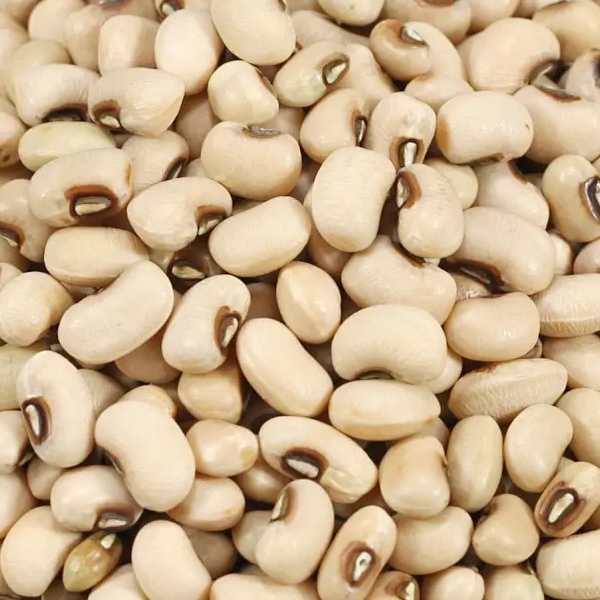
When using an air-screen cleaner to process cowpeas, efficiency is primarily influenced by three core factors: material characteristics, equipment parameters, and operation and maintenance practices. Cowpeas (dried beans) are elongated-oval in shape; since their physical properties—specifically size, specific gravity, and terminal velocity—differ from those of cereal grains, the equipment parameters must be specifically tailored to suit them.
I. Inherent Material Characteristics (Fundamental Influences)
1. Raw Material Impurity Rate and Impurity Types
Excessively high impurity levels (including soil, sand grains, pods, leaf fragments, weed seeds, insect-damaged or broken beans, and pebbles) increase the operational load. This leads to frequent clogging of the sieve surfaces and places a heavy burden on the air-separation system, resulting in a decline in overall efficiency.
The closer the physical properties of the impurities (e.g., weed seeds or shriveled grains of similar size) are to those of the cowpeas, the more difficult the separation becomes, and the lower the resulting efficiency.
2. Cowpea Moisture Content
High Moisture Content (>14%): The grains become sticky and prone to clumping, resulting in poor flowability. This causes sieve perforations to clog easily and hinders proper dispersion during air separation, leading to a significant drop in efficiency.
Low Moisture Content (<10%): The grains become brittle and prone to breakage, increasing the loss of usable product due to fragmentation.
Uneven Moisture Distribution: This creates significant variations in terminal velocity among the grains, thereby reducing the precision of both air separation and screening, and causing fluctuations in overall efficiency.
3. Grain Uniformity
Significant Variations in Size and Plumpness: Oversized grains can clog the sieves, while undersized grains may pass through the screens mixed with impurities. During air separation, it becomes difficult to distinguish between shriveled grains and light impurities, resulting in a simultaneous decline in both cleaning efficiency and product purity.
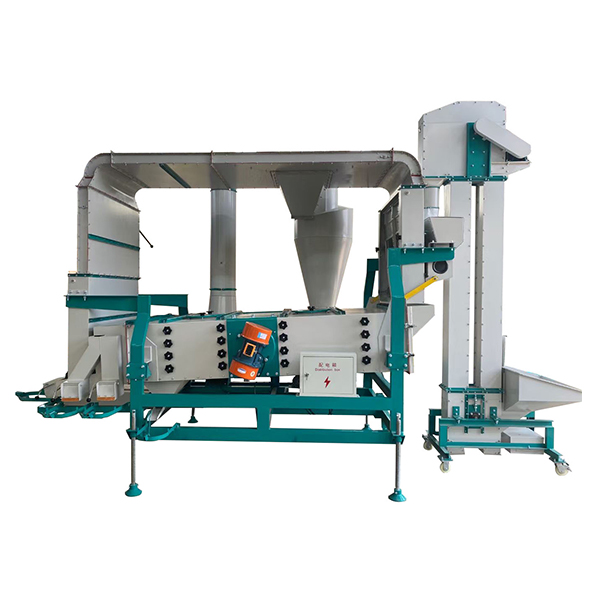
II. Equipment Structure and Parameters (Key Control Factors)
1. Sieving System (Crucial for Sieving Efficiency)
Sieve Hole Type and Size
Cowpeas are oblong-elliptical in shape; thus, slotted sieves (which sort by thickness) are better suited than round-hole sieves.
Sieve holes too large: Small impurities and broken beans fail to pass through, resulting in poor purity.
Sieve holes too small: Good beans clog the holes, resulting in low throughput.
Matching of Upper and Lower Sieves: The upper sieve removes large impurities (pods, stalks), while the lower sieve removes small impurities (sand, soil, broken grains).
Sieve Surface Inclination Angle
Steep angle: Material flow rate is high, yielding high throughput; however, sieving time is short, resulting in poor purity.
Shallow angle: Flow rate is slow, allowing for thorough sieving; however, clogging is more likely, resulting in low throughput.
Vibration Parameters (Frequency / Amplitude)
Insufficient vibration: Material remains unloosened, stratification is poor, and sieve holes are prone to clogging.
Excessive vibration: Material bounces too vigorously, resulting in a low pass-through rate and increased product loss.
Cowpeas require a medium-to-low frequency and moderate amplitude to ensure stable stratification and effective passage through the sieve.
Sieve Cleaning Mechanism
No cleaning mechanism (e.g., rubber balls, brushes): Sieve holes clog rapidly, leading to a continuous decline in efficiency.
2. Air Separation System (Crucial for Air Separation Efficiency)
Air Speed / Air Volume
Air speed below the cowpea’s suspension velocity: Light impurities (shriveled grains, leaf fragments) are not blown away, resulting in poor purity.
Air speed too high: Good beans are blown out of the stream, leading to an increased loss rate.
The suspension velocity of cowpeas is higher than that of wheat or rice; therefore, a higher and more stable air speed is required.
Airflow Distribution and Direction
Uneven airflow: Localized air speeds are either too high or too low, resulting in unstable separation.
Poor alignment between airflow direction and material flow direction: Air separation effectiveness is compromised, resulting in low efficiency.
3. Feeding and Overall Machine Condition
Feeding Uniformity
Excessive Feeding: Screen surface overload, poor stratification, screen clogging, and ineffective air separation.
Unstable Feeding: Fluctuating flow rates (alternating between heavy and light); difficulty in matching operational parameters; significant fluctuations in processing efficiency.
Equipment Sealing and Air Ducts
Air Leaks / Dust Accumulation in Ducts: Reduced effective airflow volume, resulting in diminished air separation efficiency.
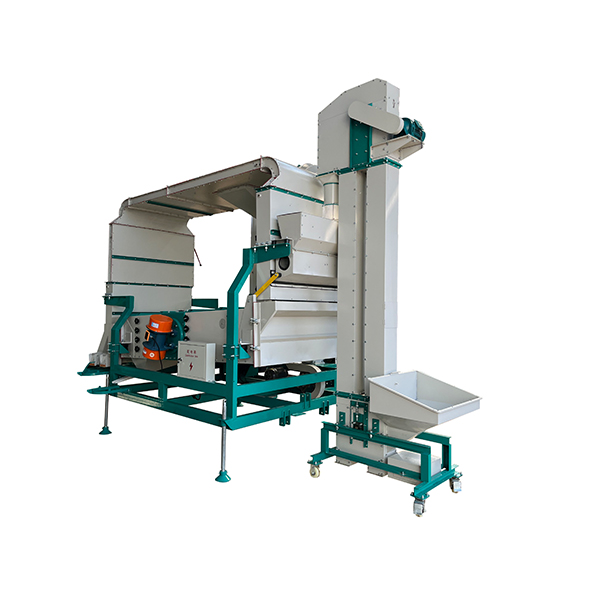
III. Operation and Maintenance (Ensuring Stable Efficiency)
Parameter Matching: Failure to adjust screen mesh, air speed, vibration settings, or screen inclination according to the specific cowpea variety or batch leads to difficulties in meeting efficiency and purity standards.
Equipment Maintenance: Damaged/deformed screens, worn fan bearings, or loose vibrating components result in reduced efficiency and an increased frequency of mechanical failures.
Operating Environment: High dust levels or excessive ambient temperatures accelerate component wear and destabilize airflow, leading to a decline in processing efficiency.
IV. Key Points for Optimizing Cowpea Cleaning Efficiency (Summary)
Moisture Control: Maintain a uniform moisture content within the range of **12%–14%**.
Screen Selection: Utilize slotted screens; ensure the mesh sizes of both the upper and lower layers are appropriately matched to the thickness of the cowpeas and the dimensions of the impurities.
Air Speed Adjustment: Calibrate the airflow to a level that is just sufficient to blow away light impurities without carrying away the sound cowpea seeds.
Feeding Stability: Ensure a uniform and continuous feed rate to prevent screen overload or interruptions in the material flow.
Regular Maintenance: Promptly clear clogged screen holes and conduct routine inspections of the fan and vibration systems.
Post time: Apr-22-2026