Key Factors in Processing Soybeans, Pinto Beans, and Wheat with a Dual-Air-Screen Cleaner
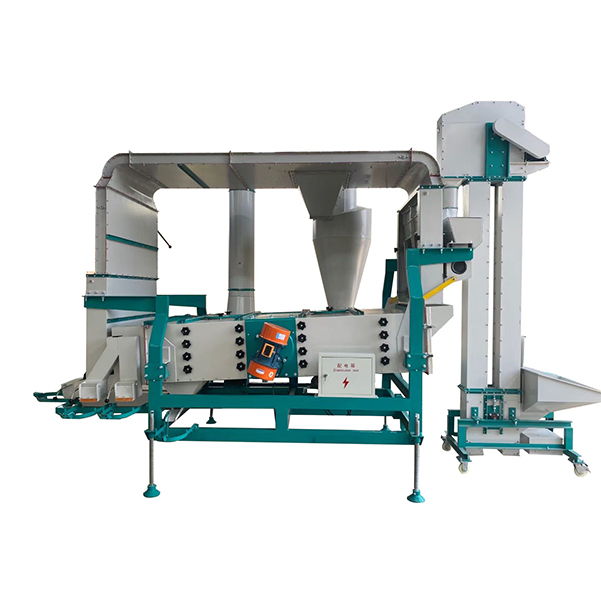
The dual-air-screen cleaner utilizes independent dual-layer air channels and vibrating screens to separate light, large, and small impurities. Soybeans and pinto beans are large-grained legumes, whereas wheat grains are relatively small; the three differ significantly in terms of particle specific gravity, impurity types, and material flow characteristics. Consequently, control measures must be implemented across seven dimensions—screen configuration, dual-air-channel airflow, vibration parameters, material feeding, the physical state of the material, material changeover procedures, and equipment maintenance—to prevent issues such as grain breakage, material loss, screen clogging, and excessive impurity levels in the finished product.
I. Screen Configuration (Priority adjustment; screen replacement is mandatory)
Use only screens with round perforations; screens with elongated slots are not recommended for legumes, as they can cause beans to become lodged.
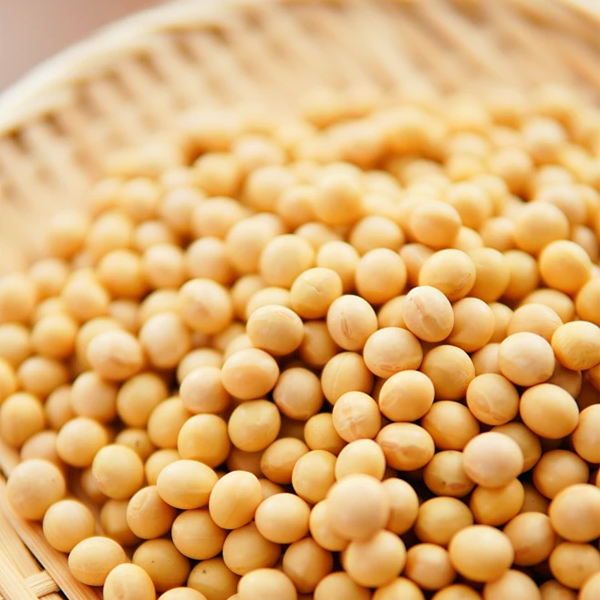
1. Soybeans: Upper screen 6–7 mm (to catch pod fragments, soil clods, and long stalks); lower screen 4.5–5.5 mm (to allow fine soil and sand to pass through while retaining whole soybean kernels). Screen apertures must not be too large, to prevent soybeans from falling into the waste stream; conversely, apertures that are too small will easily cause beans to jam and clog the screen.
2. Pinto beans: Upper screen 4.5–5.0 mm (to remove stalks and large soil clods); lower screen 3.0–3.5 mm (to separate fine soil, sand, and gravel). As pinto beans are smaller than soybeans, the screen sizes used should be one grade smaller overall; pay attention to the screening efficiency regarding shriveled or insect-damaged beans.
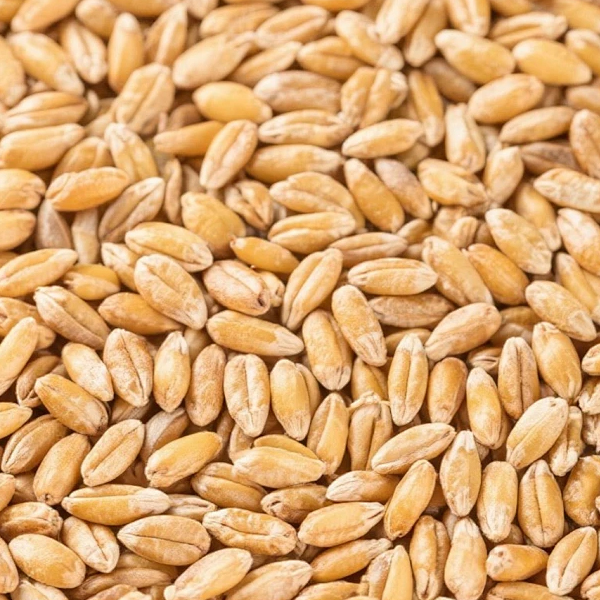
3. Wheat: Upper screen 4.5–5.0 mm (to remove wheat stalks and large weed seeds); lower screen 2.0–2.2 mm (to remove sand, soil, and wheat awn fragments). Wheat kernels are small; the lower screen aperture must strictly not be increased, otherwise excessive sand and debris will contaminate the finished product.
II. Dual-Air-Duct Airflow Adjustment (Independent adjustment for front and rear air ducts)
The front and rear air ducts of the dual-air-stream sieve separately handle floating dust, shriveled grains, short straw, and husks. Since the suspension velocity of legumes is higher than that of wheat, airflow settings must be differentiated to prevent intact grains from being blown away or light impurities from remaining unremoved.
1. Soybeans and Pinto Beans: Set the air damper opening to medium-large and the air speed to 2.2–3.0 m/s. Coordinate both air ducts to blow out pod shells, shriveled beans, and broken cotyledons. Do not set the airflow too high; although legume grains are large, broken cotyledon fragments are lightweight, and excessive airflow will result in product loss. Pinto beans have slightly smaller grains, so the airflow should be slightly lower than that for soybeans.
2. Wheat: Wheat grains have a relatively low suspension velocity. Reduce the air damper opening moderately and set the air speed to 1.8–2.4 m/s, focusing on removing awns, glumes, and shriveled grains. Excessive airflow will cause intact wheat grains to be drawn into the impurity discharge.
III. Vibration Parameters: Sieve Surface Inclination Angle, Amplitude, and Vibration Frequency
The inclination angle controls the flow rate of material across the sieve surface, while the amplitude affects material loosening and stratification; poor stratification leads to ineffective screening.
1. Soybeans and Pinto Beans (Legumes): Set the sieve surface inclination angle to 3–6°. Legumes have good flowability; if the angle is too steep, the material flows too quickly, resulting in insufficient screening distance and incomplete impurity removal. If the angle is too shallow, material accumulates and clogs the sieve. Use a moderate amplitude to ensure the material bounces and loosens sufficiently, but avoid excessive amplitude to prevent impact damage or breakage of the beans.
2. Wheat: Set the sieve surface inclination angle to 2–5°. Wheat grains are small; reducing the inclination angle appropriately extends the residence time on the sieve surface, improving the removal of fine sand and soil.
IV. Feeding / Infeed Control
1. All three types of material require uniform and continuous feeding; avoid fluctuations in feed volume. Reduce the feed rate when the raw material has a high impurity content. If the impurity content exceeds 15%, reduce the processing capacity by 20–30% to ensure effective screening and stratification. 2. Strictly avoid overloading the system with soybeans or pinto beans. Due to the large volume of these legumes, an excessive feed rate creates an overly thick material layer on the screen surface; this prevents fine impurities in the lower layers from passing through, resulting in excessive soil content in the finished product.
3. Wheat has a high bulk density, allowing for a slightly higher processing throughput than legumes using the same equipment; however, the feed rate must be steady to avoid sudden surges that could cause uneven material distribution or channeling.
4. When feeding via the elevator, ensure even material distribution to prevent the load from concentrating on one side of the screen surface.
V. Impact of Raw Material Characteristics
1. Moisture Content: High moisture causes soybeans and pinto beans to become sticky and clog the screens, while wheat tends to clump; this requires reducing throughput, increasing vibration amplitude, and cleaning screens frequently. For raw materials with excessively high moisture, air-drying prior to cleaning is recommended.
2. Impurity Types: Soybeans often contain pod fragments and soil clods; pinto beans contain soil particles and weed seeds; wheat contains awns, glumes, and smut-infected kernels. Address high soil clod content by adding a pre-cleaning stage upstream if necessary; for wheat with high awn content, focus on optimizing the airflow in the primary air duct.
3. Broken Kernels: The suspension velocity of broken soybean cotyledons and wheat fragments is similar to that of light impurities; do not blindly increase airflow, or good product will be discharged along with the impurities.
VI. Key Points for Material Switching (Soybeans ↔ Pinto Beans ↔ Wheat)
1. Before switching materials, shut down the equipment completely and thoroughly clear residual material from the screen box, air ducts, impurity chutes, and discharge hoppers to prevent cross-contamination between varieties—this is especially critical in seed processing.
2. Replace the entire set of screens with the appropriate specifications, then sequentially adjust the inclination angle, vibration amplitude, and dual-air damper settings. Conduct a test run with low flow, sampling to check product purity and the grain content of the tailings; increase production flow only after confirming quality standards are met.
3. Upon each material switch, sample the impurity discharge outlet and calculate the proportion of intact kernels in the tailings to control product loss.
VII. Daily Operation and Maintenance Considerations
1. Regularly inspect screens for wear. Due to the high hardness of legumes, perforated screens may experience enlarged apertures over time; replace screen panels promptly if material leakage occurs.
2. Keep the dust extraction piping and dust collection bags of the dual-air system clear; blockages alter actual airflow in the ducts and degrade cleaning performance.
3. Periodically check fasteners on vibrating components; promptly clear any beans or wheat kernels lodged in the screen surface—do not force the machine to operate while jammed with material. 4. Periodic sampling and testing at the finished product and impurity discharge outlets: Test the purity and impurity content of the finished product, while simultaneously monitoring the loss of good grain at the impurity discharge outlet; use these results to adjust airflow, inclination angle, and feed rate.
Post time: Sep-22-2026