
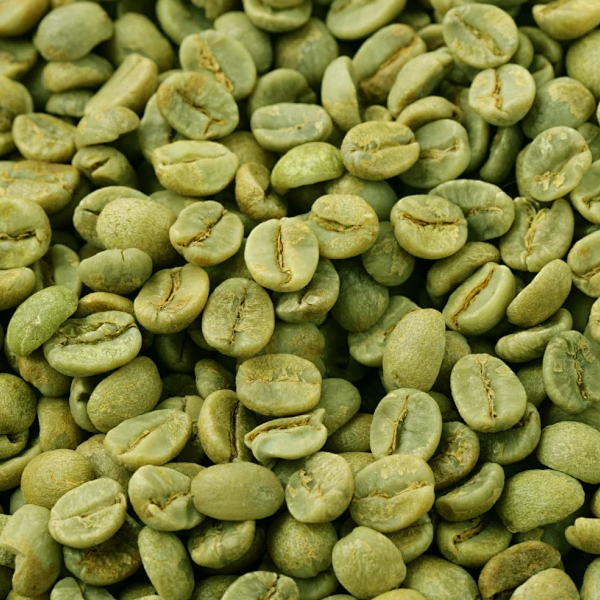
Overview of Coffee Bean Cultivation in Ethiopia
Ethiopia is the birthplace of Arabica coffee and the world’s fifth-largest and Africa’s largest coffee producer, renowned for its native Heirloom variety and unique indigenous characteristics.
1. Basic Scale (2024/25)
Planting Area: Approximately 535,000–600,000 hectares
Total Production: 11.1 million bags (60kg/bag) ≈ 666,000 tons, accounting for approximately 6% of the global total
Yield: Average approximately 400kg/hectare, lower than countries like Brazil, but higher than most neighboring African countries
Planting Entities: 95% are smallholder farmers, mostly family-run and small-scale operations
2. Planting Environment and Conditions
Altitude: 550–2750 meters, with core production areas concentrated at 1500–2200 meters, characterized by large diurnal temperature variations and volcanic soils rich in organic matter.
Climate: Tropical highland climate, average annual temperature 15–25℃; double rainy season in the east/southern region, single rainy season in the west, harvestable year-round.
Soil: Western and southern regions primarily consist of slightly acidic volcanic rock soil, rich in minerals.
3. Four Major Planting Systems (Percentage)
Forest Coffee: Wild native species, accounting for 10%, concentrated in the Kaffa Forest, with the wildest flavor and lowest yield.
Semi-Forest Coffee: Semi-wild, with light human intervention, accounting for 35%, the mainstream model.
Garden Coffee: Grown in farmers’ backyards/small plots, intercropped with corn and bananas, accounting for 50%.
Plantation Coffee: Large-scale plantations, accounting for 5%, with higher yields.
4. Core Growing Regions and Representative Flavors
Yirgacheffe: Altitude 1700–2600 meters, mainly washed, with prominent jasmine, citrus, lemon, and floral aromas.
Sidamo: Largest growing region, sun-dried/ Both washed and unwashed varieties are available, with berry, honey, and chocolate flavors.
Harrar: Eastern Highlands, sun-dried beans, strong blueberry, red wine, and spice notes.
Jimma: Southwestern Kaffa region, predominantly sun-dried, with cocoa, spice, and a hint of alcohol.
Limmu: Predominantly washed, clean, with citrus and green tea notes.
II. Other High-Yielding Legumes in Ethiopia (2023/24)
Aside from coffee, Ethiopia is a major legume producer in Africa. The following are the leading production categories:
1. Dry Beans (Kidney Beans)
Production: Approximately 2.8 million tons, second in Africa and among the top globally.
Characteristics: Staple food legume, high in protein, widely used in stews and porridge.
2. Broad Beans (Faba Beans)
Production: Approximately 1.1 million tons, second globally (after China).
Characteristics: High in protein and fiber, an important protein source for the country.
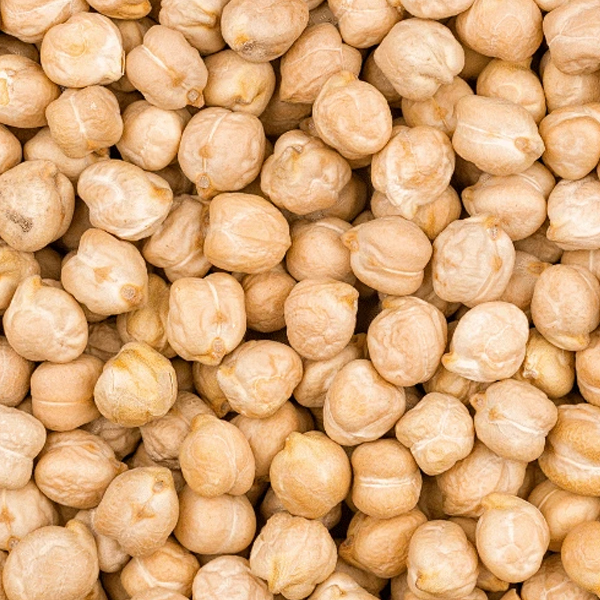
3. Chickpeas
Production: Approximately 800,000–900,000 tons, one of the major producers in Africa.
Characteristics: Used in traditional snacks and stews, with significant export potential.
4. Lentils
Production: Approximately 400,000–500,000 tons, mainly for domestic consumption.
Characteristics: Easy to grow, short growth cycle, an important disaster relief and crop rotation crop.
5. Other legumes:
Cowpea: Approximately 300,000 tons, drought-resistant, suitable for low-altitude areas
Lupins: Approximately 140,000 tons, used for feed and food processing
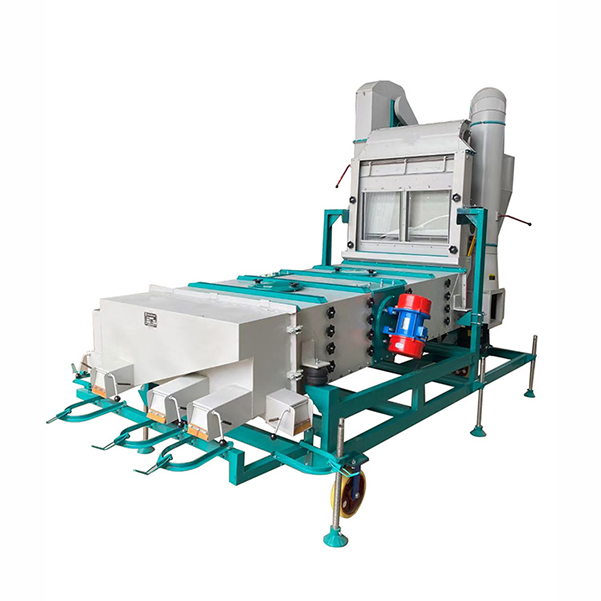
What cleaning equipment is needed to remove impurities from these beans?
1. Air Screen Cleaner:Combines air selection and screening.
Core function: Removes light impurities and grades by size.
Air selection section: Blows away empty shells, bean skins, dust, straw, and insect-damaged beans.
Screening section: Removes broken beans, large and small impurities, and grades by size.
2. Destoner: Specifically removes stones, mud, and glass.
Core function: Removes only heavy impurities and high-density impurities.
Removes stones, mud, glass, and clumps of soil.
These impurities cannot be removed by air selection or screening alone and require a dedicated destoner.
3. Gravity Separator (Specific Gravity Selector): Separates beans by plumpness.
Core function: Sorts by weight/plumpness.
Separates plump beans, semi-plump beans, diseased beans, insect-damaged beans, and moldy beans.
Can pick out beans that look the same size but are of poor quality.
Post time: Mar-06-2026