
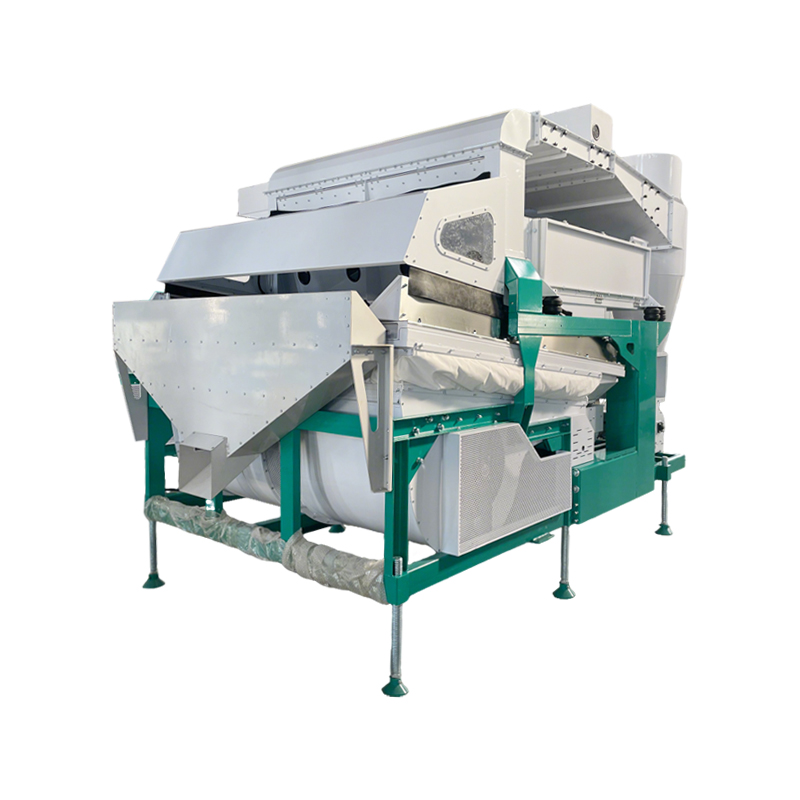
I. Sesame Cultivation in Nigeria
1. Global Standing
Ranked as the 7th largest sesame producer globally and the 2nd largest in Africa.
Annual Output: Approximately 420,000–500,000 tons (output has remained stable in recent years).
Export-Oriented: Approximately 80% of the crop is destined for export (primarily to China, Turkey, the EU, and the Middle East).
Quality Characteristics: Oil content ranges from 45% to 53%; the color tends toward white or creamy-white, though crops from certain regions may possess a slightly bitter taste.
2. Major Production Regions (Concentrated in 10 States)
Benue State: The leading producer nationwide (accounting for approximately 35% of total output), with an annual production capacity exceeding 175,000 tons.
Other Key States: Bauchi, Gombe, Kaduna, Zamfara, Sokoto, Kebbi, Niger, Taraba, and Nasarawa.
3. Varieties and Cultivation Practices
Promoted Improved Varieties: NCRIBEN-01M, 02M, and 04E (capable of achieving yields of up to 1.0 ton per hectare).
Growth Cycle: 90–120 days; the crop is drought-tolerant and adaptable to nutrient-poor soils.
Sowing Period: June–July in the Northern region; April–July in the Middle Belt region. Typically a single-cropping system per year (though double-cropping is possible in some areas).
Average Yield: 400–600 kg/ha (improved varieties can reach up to 1,000 kg/ha).
II. Legume Cultivation in Nigeria
(1) Core Legume: Cowpea (Known locally as “Nigerian Beans”)
Global Standing: The world’s largest producer of cowpeas (accounting for 46% of global production and 48% of African production).
Annual Output: Approximately 3.0–3.6 million tons.
Consumption: A primary source of dietary protein within the country; it ranks as the fourth most important staple food, following cassava, yams, and rice.
Major Production Regions: The Northern Sahelian Belt.
Key States: Borno, Kano, Sokoto, Zamfara, Yobe, and Gombe.
Main Varieties:
Brown Beans (also known as “Honey Beans” or “Oloyin”): The most common variety, characterized by a sweet and soft texture.
Black-eyed Peas.
Other Local Varieties: Including red beans, white beans, black beans, etc.
Yield: Average 750 kg/ha (Yields for traditional varieties are lower, whereas insect-resistant Bt soybeans can reach 1.5–2 t/ha)
(2) Second Major Legume Crop: Soybean
One of the leading producers in West Africa / Sub-Saharan Africa
Annual Production: Approximately 700,000 tons (Demand is approximately 1.5 million tons, resulting in a significant deficit)
Main Production Region: The Middle Belt (Benue State accounts for over 70%)
Benue, Kaduna, Niger, Nasarawa, Plateau, Kwara, and Kogi
Uses: Animal feed, edible oil, food processing, and export
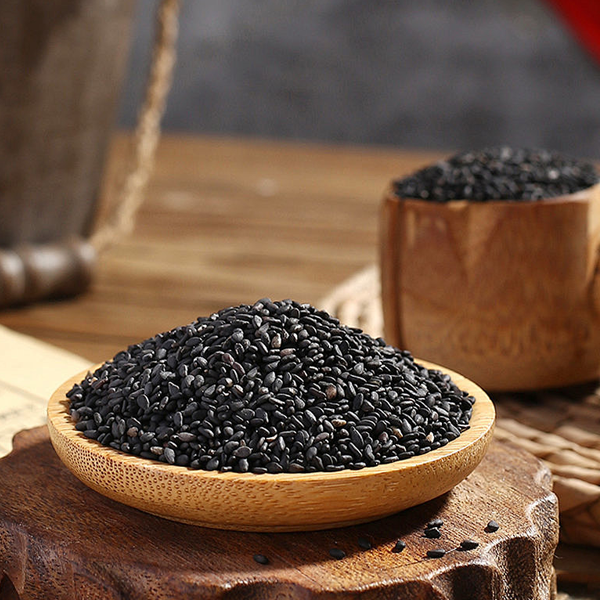
The Air-Screen Gravity Separator is, in essence, a machine that first utilizes airflow and screening to remove light impurities, and then employs gravity separation to thoroughly segregate heavy impurities, damaged seeds, and irregularly shaped contaminants. Through the synergistic action of these two stages, it effectively purifies impurities from sesame seeds and legumes.
I. Overall Operational Logic
It is a “three-in-one” integrated device comprising: Air Separation + Flat Rotary Screening + Gravity Separation.
Air Separation: Blows away light impurities.
Screening: Separates large and small impurities based on particle size.
Gravity Separation: Separates sound seeds, shriveled seeds, insect-damaged seeds, stones, and soil clods based on density (weight).
II. How the Air Separation Section Removes Impurities
Material falls uniformly from the feed inlet, passing through a vertical or inclined airflow:
Light Impurities: Dust, husks, leaf fragments, shriveled grains, and hollow shells damaged by insects.
→ Blown away by the airflow and directed into a dust collection bag or settling chamber.
Sound Grains: Heavier in weight; unaffected by the airflow.
→ Fall normally into the subsequent screening stage.
Function: To preliminarily remove the majority of light, airborne impurities, thereby reducing the processing load on the subsequent stages.
III. How the Flat Rotary Screen (Size Grading) Removes Impurities
Material lands on multi-layered vibrating screen surfaces and is separated according to particle size:
Upper Layer (Large-Mesh Screen):
Retains: Straw, pods, large soil clods, large stones, and unthreshed clumps.
Good material passes through.
Lower Layer (Small-Mesh Screen):
Allows to pass through: Sand, broken grains, fine soil particles, and small stones.
Qualified material remains on the screen surface.
Function: To preliminarily eliminate impurities that are clearly of an incorrect size.
IV. Gravity Table (The Core): Removing Impurities Based on Density
This is the most critical step, specifically designed to process impurities that are similar in size to the target material but differ in weight. **Structure**
Perforated vibrating deck
Continuous upward airflow from the base
The deck is inclined and undergoes reciprocating vibration
Principle
The material is fluidized into a loose, suspended state, automatically stratifying under the influence of vibration:
High-density, heavy materials
Stones, clods of earth, iron filings, sound and plump seeds
→ Settle to the bottom layer and move toward the higher end of the deck
Low-density, light materials
Shriveled grains, insect-damaged seeds, moldy seeds, broken fragments, empty shells
→ Float in the upper layer and flow toward the lower end of the deck
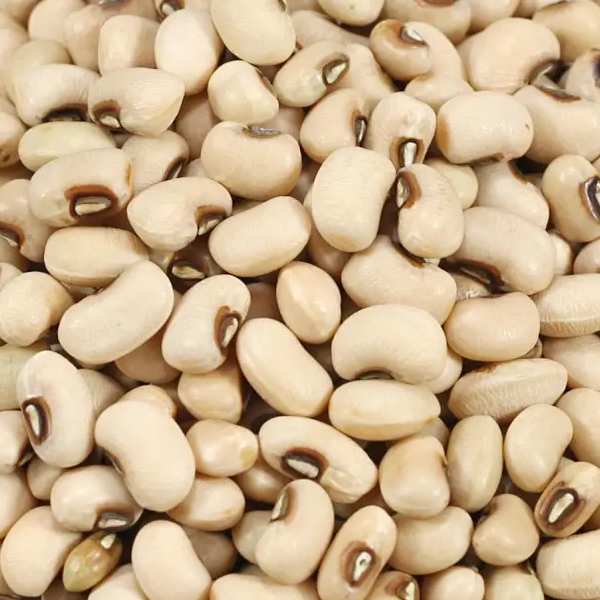
The Air-Screen Gravity Separator is a highly versatile—and virtually indispensable—core cleaning machine within the grain, oilseed, and coarse grain processing sectors. It is primarily utilized in scenarios requiring high-precision impurity removal, grading, and quality enhancement.
I. Key Application Industries
Grain Purchasing Stations / Grain Warehouses
Newly harvested raw grains often contain soil, stones, straw, shriveled kernels, and moldy grains.
This machine is used to rapidly remove impurities, ensuring compliance with storage standards and boosting market value.
Seed Processing Enterprises (Breeding & Seed Production)
Selects plump, high-quality seeds while eliminating shriveled, damaged, and insect-infested kernels.
Increases germination rates and guarantees seed purity and quality.
Suitable for soybeans, corn, wheat, rice, vegetable seeds, and more.
Coarse Grain & Oilseed Processing (The sector of greatest interest to you)
Sesame: Removes stones, soil clumps, weed seeds, shriveled seeds, and broken kernels.
Legumes: Soybeans, mung beans, cowpeas, black beans, chickpeas, pinto beans, kidney beans, etc.—removes soil clumps, stones, moldy beans, and broken halves.
Rapeseed, Sunflower Seeds, Peanuts: Impurity removal and grading.
Coffee Beans, Cocoa Beans: Preliminary cleaning and impurity removal.
Agricultural Export Trading Companies
Exports of sesame and legumes demand extremely low impurity levels.
The Air-Screen Gravity Separator can reduce impurities to 0.1% or even lower, meeting the import standards of China, Europe, and the Middle East.
Feed Processing Plants
Cleans raw materials such as corn, soybean meal, and various grains.
Removes stones and soil clumps, thereby protecting downstream pulverizers and pelletizers.
Grain & Oil Processing Mills
Pre-treatment prior to oil extraction: Cleaning of sesame, rapeseed, and peanuts.
Reduces impurities, increases oil extraction yields, and protects oil-pressing equipment.
Post time: Apr-20-2026