I. Overview of Coffee Cultivation in Ethiopia
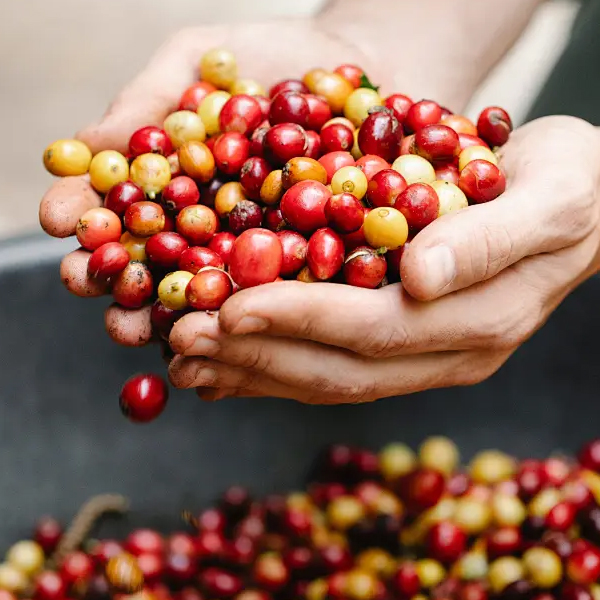
Ethiopia is the birthplace of Arabica coffee, Africa’s largest coffee producer, and the fifth-largest producer globally. It cultivates exclusively native Arabica “Heirloom” varieties and serves as a core supplier for the global specialty coffee market.
1. Industry Scale and Production Capacity
Total production for the 2025/26 season is approximately 11.6 million bags (60kg/bag, totaling 694,000 metric tons), a 9% year-on-year increase; production for the 2026/27 season is projected to reach 12.1 million bags, marking four consecutive years of growth.
The harvested area spans nearly 800,000 hectares, involving approximately 5.9 million smallholder farmers. Smallholders account for over 90% of national production, with very few large-scale commercial plantations.
Export volume stands at 7.8 million bags. The five major producing regions—Guji, Yirgacheffe, Sidamo, Harar, and Limu—form the core export base; specialty beans from these areas, characterized by floral, citrus, and fruity notes, command significant price premiums.
2. Core Producing Regions and Raw Material Impurity Characteristics
Oromia Region (Guji): The country’s largest producing region, accounting for 59.5% of total output. Mountainous terrain results in debris such as gravel, red clay clods, and dead twigs; a high proportion of natural (sun-dried) processed beans leads to significant amounts of dried fruit skin and husk fragments.
Sidamo and Yirgacheffe: Predominantly washed processing. Fresh cherries often contain mud, sand, and floating rotten fruit; dried parchment coffee contains fine sand and broken parchment fragments.
Harar: Traditional natural (sun-dried) beans; often mixed with large quantities of dried fruit stems, stones, and weed seeds.
3. Impurity Differences Based on Mainstream Processing Methods
Washed Processing: Fresh cherries are depulped, fermented, and dried; the semi-finished product is parchment coffee. Impurities include fine sand, clumps of residual pectin, broken parchment fragments, small stones, and floating moldy beans. Natural/Dry Process: The whole fruit is dried directly, resulting in a highly complex mix of impurities: dried pulp and skin, twigs, leaves, clods of soil, heavy stones, shriveled or insect-damaged cherries, and weeds.
II. Comprehensive Impurity Removal Equipment Tailored for Ethiopian Coffee Beans
(1) Pre-processing Equipment for Fresh Cherry Intake (Initial Impurity Removal at Wet Processing Plants)
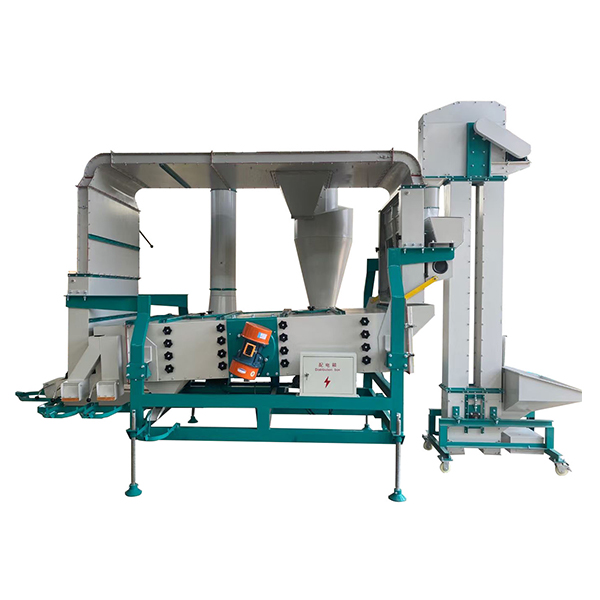
1. Pre-cleaning Air-Sieve Separator
Removes: Large branches, stalks, leaves, soil clumps, hemp ropes, weeds, and lightweight dried fruit skins; bottom-layer sieves separate fine sand, soil, and gravel.
Principle: Features a dual-layer vibrating screen combined with an internal air suction duct; lightweight impurities are collected via a cyclone dust collector. This system is designed to handle the high volume of branches and leaf debris found in Ethiopian sun-dried fresh cherries, preventing jams in downstream depulping machines.
(II) Cleaning Equipment for Deep Processing of Dry Beans (Parchment/Hulled Green Beans; Core Step for Export Grading)
1. Gravity Destoner (Core Equipment for Removing Heavy Impurities)
Coffee Bean Gravity Destoner
Removes: Heavy impurities similar in size to the beans—such as pebbles, clods of soil, metal nails, and slag (frequently found in raw coffee from the Ethiopian highlands).
Principle: Uses airflow and vibration-based gravity separation; heavy stones sink and are discharged, while coffee beans float and are conveyed forward. This prevents hard objects from damaging hullers and polishers; an essential component of any dry processing line.
2. Integrated Air-Screen & Gravity Cleaning Machine (Mainstream Primary Cleaning Equipment)
Combines three functions into one unit: vibrating screening, air-suction removal of light impurities, and gravity-based grading.
Upper Screen: Discharges large impurities (twigs, large soil clumps, large stones).
Air Suction System: Removes broken shells, chaff, dust, and shriveled/light beans.
Gravity Deck: Separates light beans from heavy ones; rejects hollow, insect-damaged, and underdeveloped light beans.
Advantages: Performs both coarse cleaning and grading in a single unit; well-suited for the mixed raw material typical of Ethiopian smallholder farms. Achieves a purity level of up to 99.5% and is suitable for both small and large processing facilities.
3. Multi-level Grading Vibratory Screen
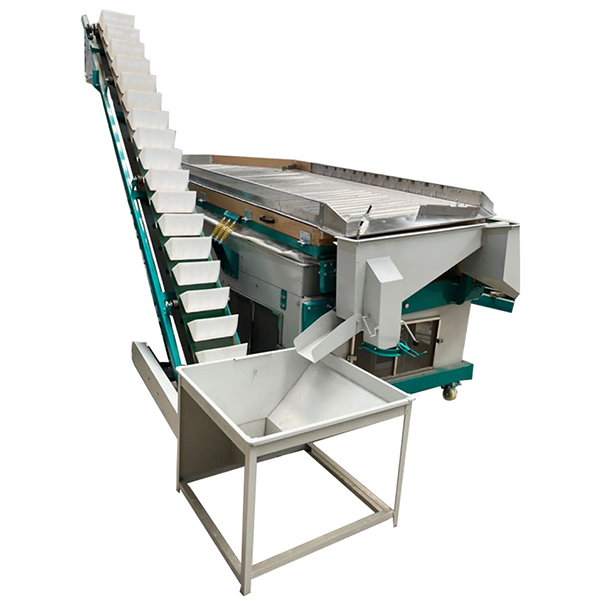
Coffee Bean Grading Screen
Features multi-specification mesh screens to separate beans by size while simultaneously removing fine sand, broken beans, and chaff/dust; classifies beans into export grades (e.g., G1, G2, G3); a mandatory component for Ethiopian coffee export grading.
4. Huller
Coffee Huller
Removes the parchment shell; equipped with an air aspiration system to separate loose husks, silver skin fragments, and broken shell pieces; an essential step for processing washed parchment coffee.
5. Coffee Bean Polisher
Removes residual silver skin, pectin spots, and adhering fine sand from the surface of green beans; improves visual cleanliness to facilitate subsequent color sorting; standard equipment for premium Guji and Yirgacheffe production lines.
6. Color Sorter (Final stage for defect removal in specialty coffee)
Coffee Color Sorter
Uses high-precision optical recognition to accurately reject black beans, moldy beans, insect-damaged beans, over-fermented red cherries, off-colored beans, and stones; key equipment for achieving Grade 1 export quality; standard equipment in all high-end Ethiopian specialty coffee export facilities.
(III) Auxiliary Conveying and Support Equipment (Minimizes secondary contamination)
Z-type Stainless Steel Bucket Elevator: Enclosed conveying prevents contamination by soil or dust during lifting;
Cyclone Dust Collector: Collects lightweight debris and dust from all processing stages, preventing airborne dust in the workshop from re-contaminating the beans;
Stainless Steel Buffer Silo: Sealed storage isolates the product from soil, insects, and foreign debris.
Post time: Jul-20-2026