
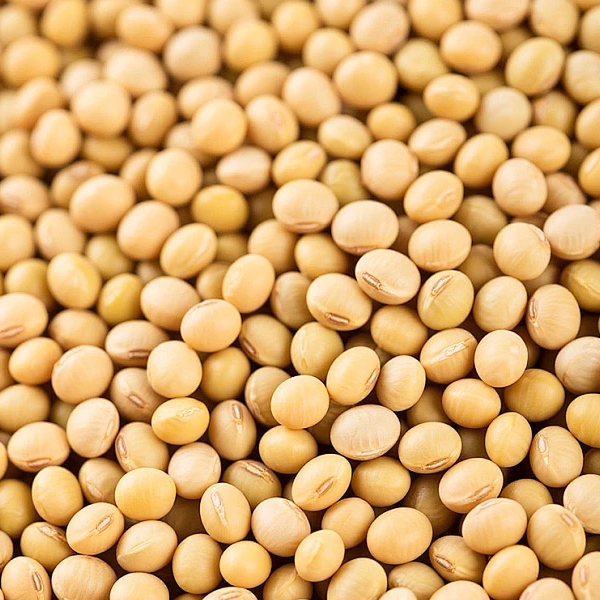
Argentina is the world’s third-largest soybean producer, with a highly concentrated and large-scale soybean industry that is a pillar of the national economy and exports.
1. Basic Production Data (2025/26)
Planted Area: Approximately 16.5 million hectares (a decrease of approximately 4.3% from the previous year’s 18.4 million hectares).
Total Production: 48.5 million tons (slightly lower than the previous year’s 50.3 million tons).
Average Yield: Approximately 3.38 tons/hectare.
Crushing Volume: Estimated at 43 million tons, with strong domestic demand, mainly used for soybean oil and soybean meal production.
Exports: Estimated at approximately 12.7 million tons, primarily exported to markets such as China and the EU.
2. Core Planting Areas
Argentine soybean cultivation is highly concentrated in the core Pampas grassland region, with the four main producing provinces contributing approximately 87% of the national output:
Buenos Aires Province: Accounts for 31%, the largest producing region in the country, with fertile soil and stable rainfall.
Córdoba Province: 28% share, the central core area, high yield per unit area.
Santa Fe Province: 19% share, the main producing area in the northeast, with good irrigation conditions.
Santiago del Estero Province: 9% share, an emerging producing area in the north, with rapid acreage expansion.
3. Crop System and Growth Cycle
Crop Pattern: Primarily single-season soybeans, with widespread soybean-corn rotation; some areas cultivate double-season soybeans (late sowing, shorter growing season, more sensitive to weather).
Sowing Period: Main-season soybeans are typically sown from October to December; double-season soybeans are sown from January to February.
Harvesting Period: Main-season soybeans are harvested intensively from March to May; double-season soybeans are harvested from June to July.
Growth Stage: As of late February 2026, approximately 58% of soybeans nationwide will have entered the yield formation stage (pod formation/filling), a crucial stage determining the final yield per unit area.
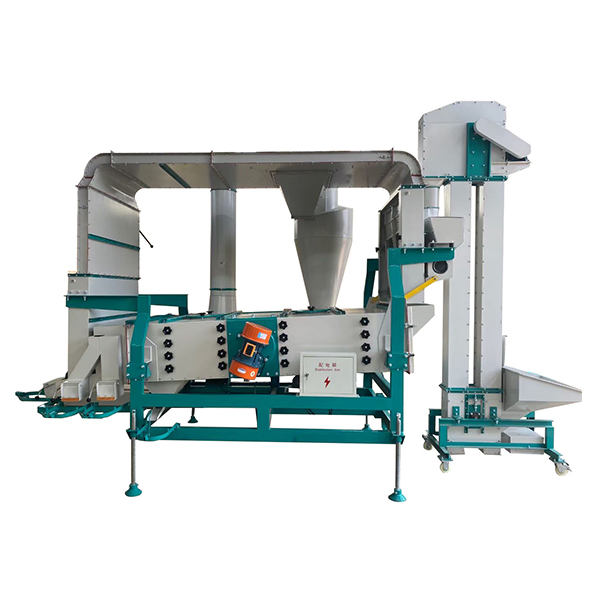
The air-screen cleaner is a core piece of equipment for the initial processing of soybeans after harvest. Through the dual action of air separation and mechanical screening, it achieves impurity removal, grading, and quality improvement of soybeans, a crucial link in ensuring the commercial value of soybeans and the efficiency of subsequent processing.
1. Core Function 1: Efficient Removal of Various Impurities (Improving Purity)
(1) Removal of Light Impurities (Air Separation Function)
Principle: Utilizing a blower to generate directional airflow, separation is achieved by utilizing the density difference of the materials.
Targets:
Organic light impurities: pod shells, straw fragments, weeds, bean leaves, bean hairs, etc.
Imperfect grains: shriveled grains, insect-damaged grains, moldy grains, broken bean pods (density lower than normal grains).
Dust: ash and fine sand adhering during harvesting and transportation.
Effect: The airflow separates light impurities from the material flow, which are collected through a settling chamber or dust removal system, resulting in a clean soybean surface and a significant reduction in impurity content. (2) Removal of Heavy and Small Impurities (Sieving Function)
Principle: Mechanical separation based on particle geometry (diameter/length) using multi-layer vibrating screens.
Targets:
Large impurities: Stones, clods of soil, large straw segments, and incompletely threshed bean pods (retained by the upper large-pore screen).
Small impurities: Fine sand, broken bean grains, small stones, and weed seeds (leaked by the lower small-pore screen).
Side impurities: Stones similar in size to soybeans but with a higher density (further separated in some models using a gravity table).
Effect: Thoroughly separates impurities of different sizes from soybeans, ensuring uniform bean size and freedom from foreign matter in the finished product.
2. Core Function Two: Precise Grading (Improving Product Grade)
Principle: By configuring screens with different apertures (e.g., 7.0mm, 6.5mm, 6.0mm, etc.), soybeans are divided into multiple grades based on particle size. Grading Value:
Commercial Beans:Grading allows for pricing based on grade. Larger, more uniform soybeans command higher prices, increasing economic benefits.
Seed Beans: Plump, uniform, and undamaged beans are selected as seeds, ensuring high germination rates and uniform seedling emergence.
Processing Suitability: Soy product processing (such as tofu and soy milk) and oil pressing plants require high uniformity in bean size. Grading significantly improves processing efficiency and product quality.
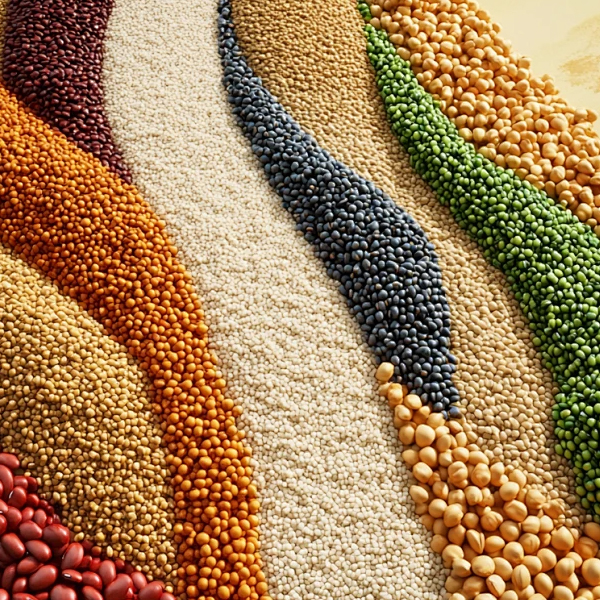
Applicable Crops (Grains, Oilseeds, Cash Crops) The air-screen cleaning machine is mainly suitable for cleaning, removing impurities, and grading granular, free-flowing, and density-stable agricultural crops. It is the most common core equipment for primary processing of agricultural products.
Mainly includes:
1. Legumes: Soybeans, yellow soybeans, black soybeans, green soybeans, kidney beans, mung beans, red beans, broad beans, peas, etc. It can remove impurities, shriveled grains, broken grains, and grade the crops. It is an essential piece of equipment for soybean purchasing points, oil mills, soybean product factories, and grain depots.
2. Oilseeds: Rapeseed, peanuts, sesame seeds, sunflower seeds, cottonseed, flaxseed, safflower seeds, etc. Used to clean straw, dust, shriveled grains, and weed seeds, improving oil yield and oil purity.
3. Grains: Wheat, rice, corn, sorghum, millet, barley, oats, etc. It can remove straw, husks, and shriveled wheat from wheat; remove weed seeds and empty grains from rice; and remove broken cobs, clods of soil, and moldy grains from corn.
Post time: Feb-27-2026