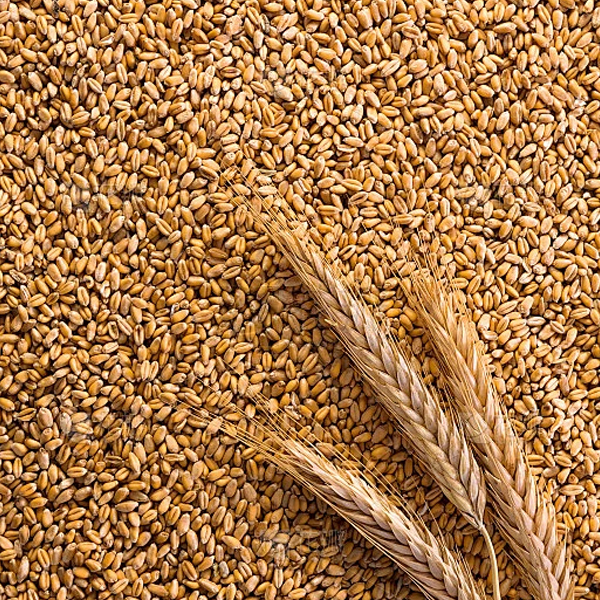
Sri Lanka is a quintessential rice-producing nation, where rice serves as the primary staple food and the most significant grain crop. According to data from the Department of Census and Statistics and the Ministry of Agriculture, rice cultivation accounts for approximately 29% of the country’s total arable land, covering an annual area of roughly 1.318 million hectares.
In terms of geographical distribution, rice is extensively cultivated in major regions such as the North Central, Eastern, and North Western provinces, as well as in traditional rice-growing areas like Kurunegala, Anuradhapura, and Hambantota—largely within smallholder-operated, irrigated paddy fields. It should be noted that in Sri Lanka, rice is harvested, stored, and traded in the form of “paddy” (unhusked rice). Following harvest, the grain is typically sun-dried. This paddy often contains various impurities—such as straw fragments, empty or shriveled grains, broken kernels, soil clods, stones, insect-damaged grains, and weed seeds. Furthermore, the hot and humid climate makes the grain susceptible to moisture, rendering the presence of impurities and excess moisture a significant challenge. Overall, the characteristics of Sri Lanka’s rice sector—namely, large-scale cultivation, two cropping seasons per year, a fragmented landscape of smallholder farmers, and the circulation of grain in its unhusked (paddy) form—drive a consistent and robust demand for equipment dedicated to cleaning, impurity removal, destoning, and grading.
II. Working Principle of Rice Cleaning Machines
Rice is cleaned in the form of paddy (unhusked rice). Impurities present in the grain include light materials (straw, stalks, empty or shriveled grains, dust, and weed seeds), heavy materials (stones, sand, and clods of soil), as well as various large and fine contaminants. The core function of a rice cleaning machine lies in the synergistic application of two physical separation principles: “screening” and “air aspiration.”
Screening (Separation by Size): Paddy enters the machine through an inlet and is evenly distributed across the screen surface via a flow-control mechanism. Driven by an eccentric system, the screen assembly undergoes reciprocating vibration, causing the paddy to tumble and move forward along the inclined screen surface. The screens are arranged in layers with varying aperture sizes: the upper layer traps and discharges large impurities—such as straw, long stalks, stones, and other foreign objects—while the lower layer retains the paddy, allowing fine impurities like sand, soil particles, and debris to pass through.
Air Aspiration (Separation by Weight): Simultaneously, a fan generates a controlled, directional airflow that passes through the material stream. This process removes light, high-surface-area impurities—such as straw fragments, empty or shriveled grains, husks, dust, and lightweight weed seeds—directing them into a dust collection system. Meanwhile, the heavier, well-filled paddy grains continue their downward movement toward the discharge outlet. The airflow volume can be adjusted via dampers, allowing for flexible settings tailored to the specific characteristics of the rice grains.
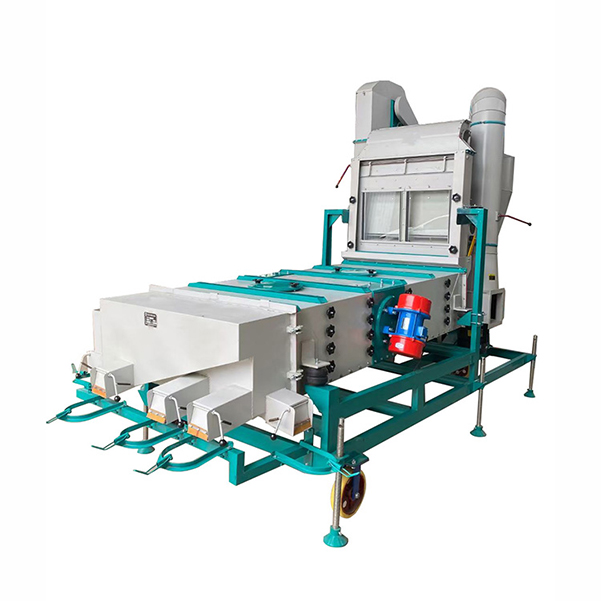
By combining these multi-stage processes—trapping large impurities at the top, screening out fine impurities at the bottom, and removing light impurities via air aspiration—the cleaning machine effectively separates the paddy from major large, fine, and lightweight contaminants in a single pass. This serves as the critical first step in any rice processing line.
III. Specific Advantages of Cleaning Machines for Rice Processing
Given the characteristics of rice in Sri Lanka—namely, that it is harvested with the husk, contains a diverse range of impurities, and is prone to moisture-related issues in a hot, humid climate—these cleaning machines offer several distinct advantages:
First, they provide a significant improvement in purity and handle high processing volumes. By combining screening with air-based separation (aspiration), the machines can rapidly remove the vast majority of easily separable impurities—such as stalks, straw, dust, and empty or shriveled grains—at the intake stage. This substantially enhances the purity of the rice and eases the workload for downstream processes like milling, grading, and color sorting. With high throughput and capacity, these machines are well-suited for the large-scale processing demands of Sri Lanka’s two annual rice harvests.
Second, they minimize damage to the rice and offer excellent versatility. Utilizing gentle reciprocating vibration and pneumatic separation—rather than mechanical impact—the machines ensure a low breakage rate, effectively preserving the integrity of the rice grains and maximizing the milling yield. Furthermore, the screen apertures can be changed quickly, and parameters such as airflow, vibration amplitude, and feed rate are fully adjustable. This allows for flexible switching between different crops, including rice, mung beans, and soybeans, demonstrating high versatility.
Third, the equipment features a reliable design and environmentally friendly operation. The machines utilize a sealed or semi-sealed structure integrated with a dust collection system, which minimizes dust leakage and ensures a hygienic, eco-friendly working environment—even during long-term operation in hot, humid climates. The design is simple, easy to maintain, and characterized by a low failure rate. These features—high airflow, low breakage, and high adjustability—are the core strengths of the cleaning machines from Hebei Taobo Machinery, which can consistently raise the purity of rice to over 99.5%.
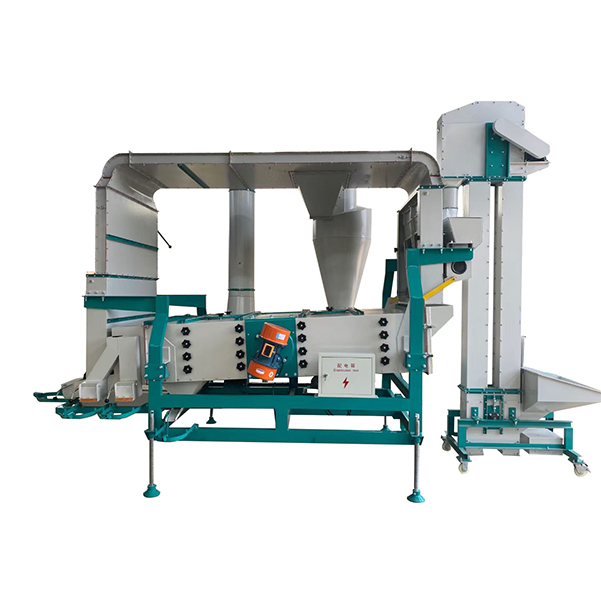
Cleaning machines are primarily designed to remove “easily separable” impurities from paddy rice. For heavier contaminants—such as stones or sand grains that are similar in size to the rice kernels—a gravity separator is required for further processing. Consequently, for a complete rice processing line, the following configuration is recommended: Cleaning Machine → Gravity Separator → Grading Screen → Milling/Color Sorting → Packaging. In this setup, the cleaning machine handles the bulk removal of light and large impurities; the gravity separator precisely eliminates stones and other heavy debris; the grading screen ensures uniform kernel size; the milling and color-sorting stages enhance rice quality and appearance; and the packaging machine manages accurate weighing and sealing. The rice cleaning equipment from Hebei Taobo Machinery features a design characterized by high airflow, low breakage rates, and excellent adjustability. With easily swappable screens, the system allows for precise parameter tuning to accommodate the specific characteristics of unhusked paddy and its diverse range of impurities. The entire line is enclosed to prevent dust, offers high throughput, and ensures stable operation—making it a reliable choice for rice processing enterprises in Sri Lanka to achieve high-purity, low-breakage, and premium-grade production.
Post time: Nov-04-2026