
Mozambique’s sesame industry is primarily based on small-scale, scattered farming, with an annual output of approximately 200,000 tons, making it a major global sesame producer. Legume cultivation is similarly dominated by small-scale rainfed farming, resulting in lower yields and outputs per unit area, mainly meeting domestic food security and regional trade needs.
Sesame Cultivation Status
Core Production Areas and Scale
Main production areas are concentrated in the provinces of Cabo Delgado, Zambezia, Tete, Sofala, and Manica. Sofala province accounts for approximately 25% of the national output. Doendo, Kaya, Shemba, Maringe, Nyamatanda, and Gorongosa are the core production areas.
The main growers are over 350,000 smallholder farmers, primarily engaged in scattered family farming. In 2025, the national annual output is estimated at 200,000 tons, ranking among the top eight of the world’s top ten sesame producers.
Varieties and Cultivation Techniques
Traditional varieties are mostly adapted to the northern climate. In recent years, through Sino-African agricultural cooperation, high-yield, drought-resistant varieties have been introduced from China and successfully trialed and promoted in southern regions such as Gaza province. In some demonstration fields, yields have increased from less than 30 kg per mu to 110 kg per mu.
Cultivation is mainly rainfed, and the technical level is relatively extensive. The Chinese technology demonstration center promotes intensive farming and contract farming models to improve yield and quality.
Legume Cultivation
Main Varieties and Production Areas
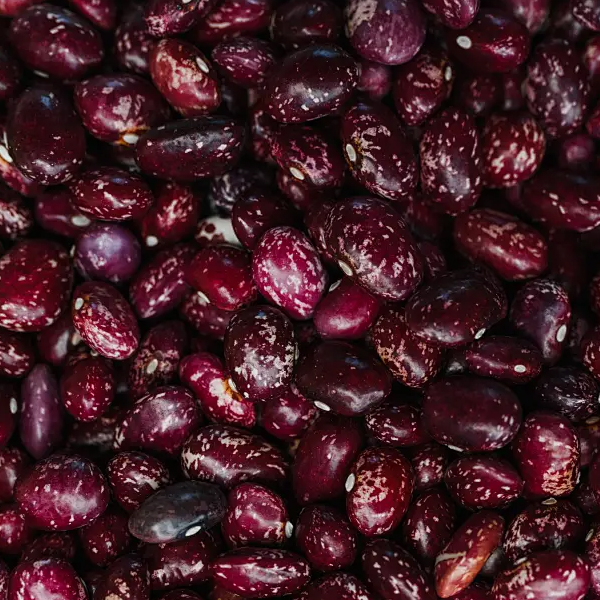
The main variety is common bean (kidney bean), along with cowpea, pigeon pea, Bambara peanut, and soybean. It is an important part of the small-scale maize farming system, and cultivation is mostly undertaken by women.
The main production areas are the northern and central provinces of Niassa, Tete, Zambezia, and Nampula. Products are mainly transported from the northern production areas to the central and southern consumption areas, particularly the capital, Maputo.
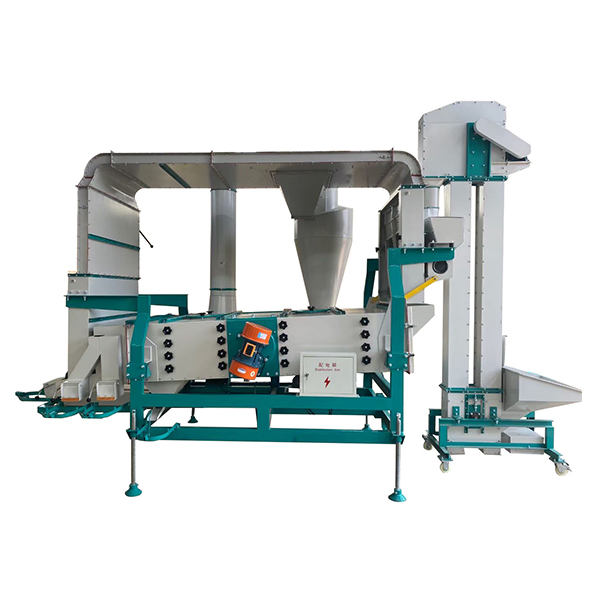
The selection of sesame cleaning equipment in Mozambique is highly suited to the industry’s characteristics: small-scale, dispersed farming, diverse types of raw materials with varying processing scales. The core focus is on low-cost, easy-to-operate basic equipment, while large-scale processing plants utilize modular cleaning lines. Specific equipment types and application scenarios are as follows: **Air Screen Cleaner (Core Basic Equipment)
This is the most common sesame cleaning equipment in Mozambique, found in almost all small collection points and primary processing workshops.
Suitable Impurities:Targets light impurities (dust, shriveled husks, broken straw) and impurities of varying sizes (small stones, large clods of soil, weed seeds) mixed in with sesame.
Application Scenarios: Small farmers process small batches (typically a few hundred kilograms per batch), often choosing small, mobile air screen cleaners. These are simple in structure, consume little power, allow manual adjustment of airflow and screen aperture, and have extremely low maintenance costs. Medium-sized collection stations use stationary air screens, increasing processing capacity to 1-2 tons/hour.
Adaptability: Perfectly suited to the local conditions of unstable power supply and low operator skill levels, it is an essential piece of equipment for the initial cleaning of sesame seeds.

Gravity Separator (Essential for Large-Scale Processing)
Primarily used for the fine cleaning of sesame seeds, concentrated in newly built large-scale processing plants in Sofala Province and elsewhere.
Acceptable Impurities: Effective against impurities similar in size to sesame seeds but with different specific gravities, such as small stones (similar in size to sesame seeds), mud, and moldy sesame seeds. These impurities cannot be effectively separated by air-screen cleaners.
Application Scenarios: Processing plants use it in series with air-screen cleaners – the air-screen cleaner performs initial cleaning, followed by fine sorting in the gravity separator, significantly improving the commercial quality of sesame seeds and meeting export standards (especially for export orders to China).
Equipment Features: Locally, small gravity separators (1-3 tons/hour processing capacity) are mostly used, some models introduced through Sino-African agricultural cooperation projects. They are adaptable to local voltage fluctuations, and spare parts supply is guaranteed.
Destoning Machine (Targeted Auxiliary Equipment) The soil in Mozambique’s sesame-growing regions is often sandy and gravelly, resulting in a high proportion of stone impurities in the raw materials. Therefore, destoning machines are essential equipment in some production areas.
Suitable Impurities: Specifically designed to separate heavy sandy and gravelly impurities from sesame seeds, especially closely spaced stones with particle sizes similar to sesame seeds.
Application Scenarios: In provinces with high levels of sandy and gravelly impurities, such as Cabo Delgado and Zambezia, small processing plants often use simple suction destoning machines in conjunction with air sieves. Larger-scale plants typically deploy integrated gravity grading and destoning machines to reduce equipment footprint and energy consumption.
Post time: Jan-20-2026