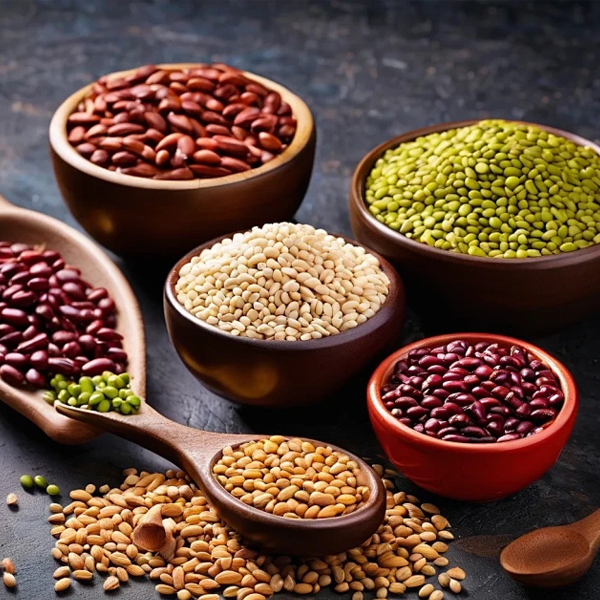
Classification of Impurities in Legumes (Soybeans, Mung Beans, Black-eyed Peas, Kidney Beans, etc.)
I. Common Impurities Across All Four Legume Types
Large Impurities (Removed via pre-cleaning screens)
Bean vines, stalks, pods, twine, woven bag fragments, large soil clods, gravel, twigs.
Light Impurities (Removed via air separation/aspirator)
Dust, bean skin fragments, shriveled seeds, empty shells, grass clippings, weed fluff, moldy debris.
Heavy Impurities of Similar Size (Removed via gravity destoner—critical step)
Fine sand/gravel, sintered mud pellets, and small soil balls with particle sizes similar to the beans; these cannot be separated by screens and are the most difficult impurities to remove.
Soil & Metal Impurities (Removed via magnetic separator)
Iron nails, wire, iron filings, iron-bearing ore; removal prevents damage to screens and color sorters.
Foreign Grains & Weed Seeds (Removed via gravity separation + color sorting)
Weed seeds, other legumes, and cereal grains mixed in from the field.
II. Impurity Characteristics Specific to Individual Varieties
1. Black-eyed Peas (Predominantly sourced from Nigeria, West Africa)
High content: Tiny red mud particles, clay clumps, fine sand (soil impurities from West African dryland farming are much higher than in domestic beans);
Specific types: Shriveled/wrinkled beans, insect-damaged hollow beans, tiny vine seeds, broken pod fragments;
Challenges: Light-colored mud-coated beans of similar size; requires color sorting to remove blackened moldy grains and mottled beans.
2. Kidney Beans (Mainly Red, White, and Speckled varieties)
Impurities: Irregular broken cotyledons, split/damaged beans, detached seed coat fragments, small field stones;
Specific types: Off-colored grains in speckled varieties, deformed small beans, beans with soil caked on the surface;
Challenges: Some soil clods match the size of small kidney beans; relies on gravity separation. 3. Soybeans
Impurities: Broken cotyledons, insect-damaged beans, sprouted beans, moldy/black-moldy beans, pod fragments;
Specific types: Mud-coated beans, immature shriveled green beans, moldy/clumped beans;
Processing challenges: Broken cotyledons mixed with whole beans; requires specific gravity separators to sort light and heavy grains.
4. Mung beans
Impurities: Fine mud and sand, shriveled beans, stones/grit, mung bean pod fragments;
Specific types: Off-colored (black) beans, hard/immature “iron beans,” weevil-bored hollowed grains;
Characteristics: Smallest grain size; high content of fine soil and sand; fine-mesh air-sieve screens are prone to clogging.
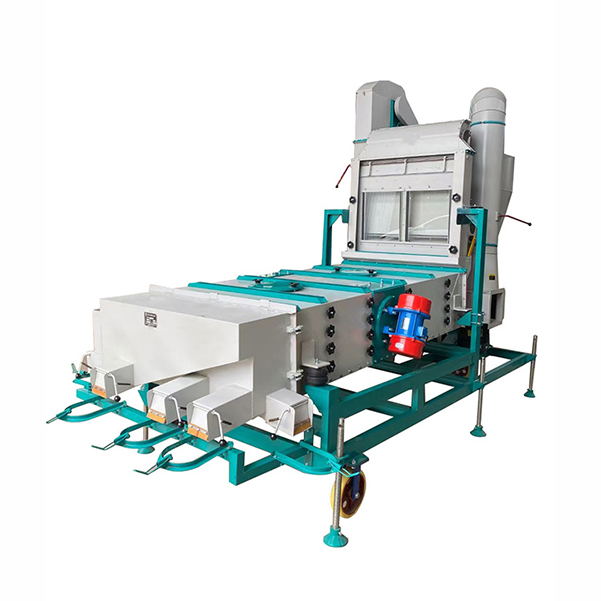
Complete Equipment Set and Functions
1. Raw Material Elevator (Belt Bucket Elevator)
Function: Transports raw material from the stockpile to the pre-cleaning equipment; features enclosed feeding to minimize dust. Standard belt bucket elevators are used for raw material transfer, while Z-type elevators are used for finished/selected beans to reduce breakage and skin damage.
2. Pre-cleaning Screen (First Stage Pre-treatment)
Function: Removes large impurities such as long stalks, bean vines, woven bag threads, large clods of soil, large stones, and pods; sifts out fine soil and dust to protect downstream equipment screens from clogging or impact damage. Includes a simple air-separation system to remove light impurities like grass fragments and empty shells.
3. Air-Screen Cleaner (Core Grading and Impurity Removal)
Function: Uses a combination of multi-layer screens and circulating airflow to sort beans by size;
Large impurities are separated by the top screen, while fine sand and soil fall through the bottom screen. Airflow removes shriveled beans, skins, grass fragments, and lightweight debris, completing the initial grading and sorting.
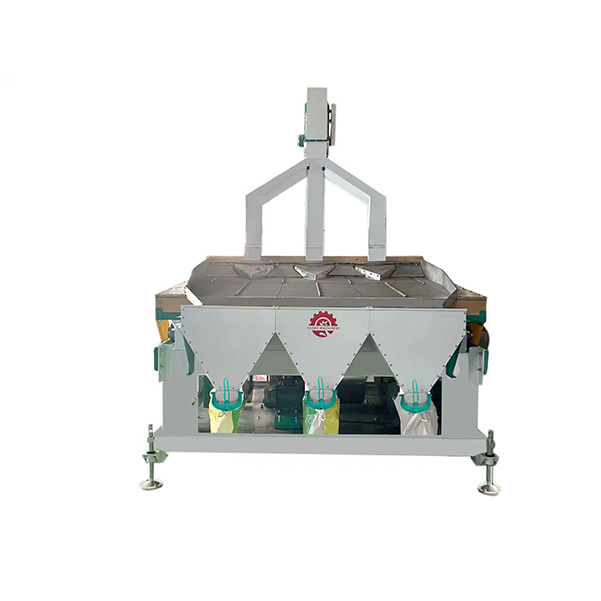
4. Gravity Destoner
Function: Specifically removes stones and mud balls of similar size to the beans (which cannot be removed by screening). It separates materials based on specific gravity, discharging stones separately while allowing beans to flow out normally; essential for West African black-eyed peas, which often contain significant sand and soil.
5. Gravity Separator (Precision Sorting Stage)
Function: Separates insect-damaged beans, moldy or shriveled beans, sprouted beans, foreign bean varieties, and weed seeds based on specific gravity differences; removes low-quality grains to upgrade the raw material quality.
6. Magnetic Separator
Function: Attracts and removes soil clods, iron nails, metal filings, and iron-bearing sand particles to prevent metal objects from puncturing screens or damaging the nozzles of the color sorter.
7. Bean Color Sorter (Essential for Export-Grade Finished Products)
Function: Uses optical sorting to remove discolored or moldy beans, spotted beans, foreign bean varieties, and blackened or spoiled grains; the final step to ensure the product meets export purity standards. 8. Grading Screen (Optional)
Function: Sorts finished beans into large, medium, and small sizes based on particle diameter for graded packaging, meeting the specific procurement requirements of different customers.
Core Advantages of Integrated Bean Cleaning Equipment
I. Superior Impurity Removal
Multi-stage impurity removal meeting export standards
A combination of processes—including pre-cleaning, air-screening, gravity separation, and color sorting—sequentially removes large debris, light impurities, stones/gravel of similar size, shriveled or moldy beans, off-colored beans, and weed seeds. The purity of the finished product meets import/export inspection standards, keeping impurity levels within national or international trade limits.
Targeted removal of difficult-to-separate impurities
Mechanized separation—utilizing gravity-based destoning and precision gravity sorting—effectively removes soil clods and stones that are similar in size to the beans and impossible to separate via manual screening, solving the industry’s toughest challenge regarding “co-sized” stones.
II. High Production Efficiency
Wide capacity range; replaces manual labor
Continuous automated operations range from 1–3 t/h (small lines) to 8–20 t/h (medium-to-large lines). A single production line replaces dozens of manual sorters, drastically cutting labor costs and shortening raw material processing cycles.
Continuous assembly-line operation
Bucket elevators link the main processing units, enabling fully enclosed, continuous feeding and discharging. This eliminates the need for intermediate material transfers, preventing re-contamination with soil or debris.
III. Minimized Raw Material Loss
Optimized equipment configuration reduces bean breakage
Belt-type bucket elevators are used for rough processing, while Z-type elevators are employed for the precision sorting stage. Combined with flexible buckets and low-speed air-screening, the breakage rate for fragile-skinned beans (such as kidney beans and soybeans) is kept below 0.3%, reducing product loss and increasing yield.
Fully enclosed structure prevents dust and spillage
The sealed machine structure minimizes dust generation and prevents grain spillage or waste, significantly reducing material loss—especially for small-grained varieties like mung beans and black-eyed peas.
IV. Versatility
The production line offers flexibility through interchangeable screens and adjustable airflow and gravity parameters. A single set of equipment can handle black-eyed peas, kidney beans, soybeans, and mung beans; switching varieties requires only brief adjustments. This makes the system ideal for multi-variety bean processing plants, reducing the need for redundant equipment investment.
Post time: Jun-05-2026