
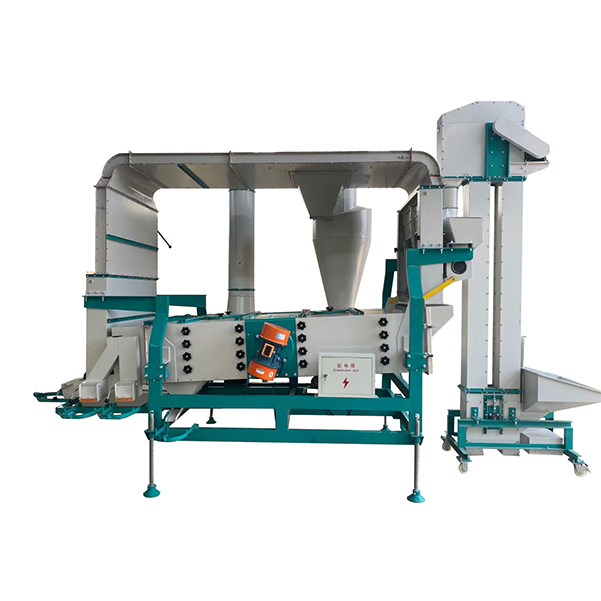
When using an air-screen cleaner to process sesame and soybeans, the core principle involves precisely adjusting the screen apertures, airflow velocity, and feed rate based on the specific characteristics of the material. Furthermore, it is essential to implement measures to prevent clogging and material spillage, while also ensuring safety protocols are strictly followed. For sesame, particular emphasis is placed on strictly controlling airflow velocity to prevent wind-induced damage; for soybeans, the focus shifts to maintaining screen stability to prevent grain breakage.
I. Pre-Startup Preparations (General + Crop-Specific)
1. Equipment Inspection and Adjustment
Level the entire machine and securely lock the support bases. Inspect the fan rotation direction, protective guards, fasteners, and transmission components to ensure there are no loose parts or abnormal noises.
Clean out any residual material from the feed inlet, air ducts, and screens to prevent clogging. Check the tension and integrity of the screens; replace any damaged screens immediately.
Lubricate bearings and transmission components, applying grease in accordance with the equipment manufacturer’s specifications.
2. Screen Selection (Key Differentiators)
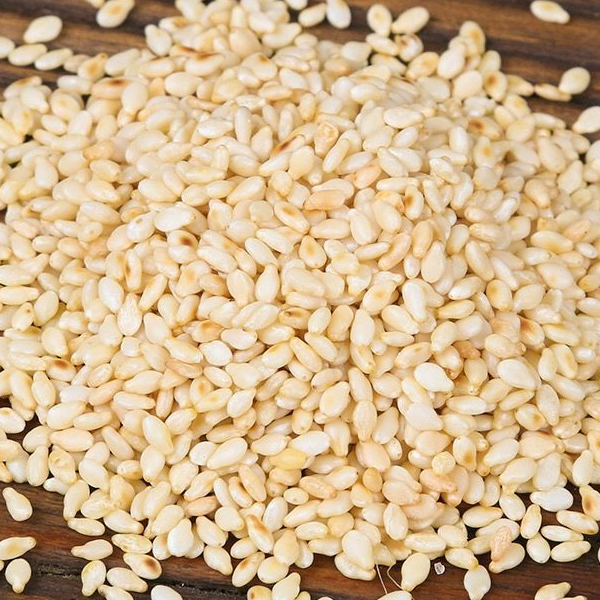
Sesame (Small grain size, low specific gravity)
Upper Screen (Coarse impurities removal): 10–12 mm (Removes stalks, soil clods, and large debris).
Middle Screen (Grading/Sizing): 6–7 mm (Separates plump, mature sesame seeds from shriveled grains and weed seeds).
Lower Screen (Fine impurities removal): 3.5–4.5 mm (Removes sand, broken grains, and small impurities).
Material: Stainless steel woven mesh is preferred for its anti-clogging properties, wear resistance, and high precision.
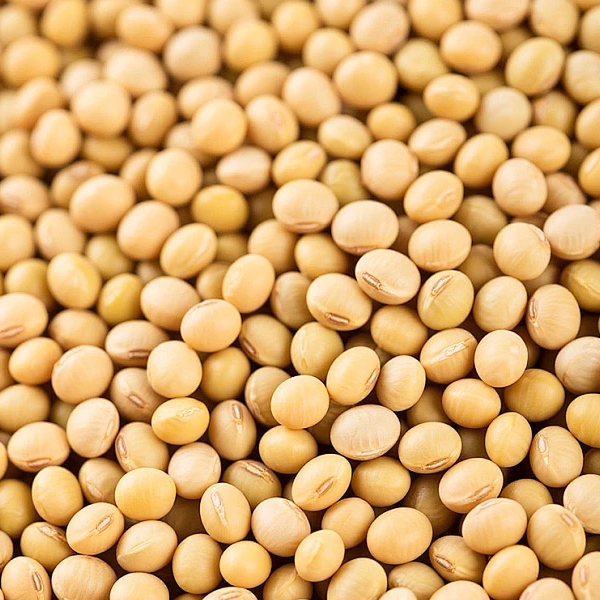
Soybeans (Large grain size, high specific gravity)
Upper Screen (Coarse impurities removal): 14–18 mm (Removes soybean stalks, pods, and large stones).
Lower Screen (Fine impurities removal): 6–8 mm (Removes sand, broken beans, and insect-damaged grains).
Material: Perforated steel plate screen is preferred for its high strength, resistance to deformation, and suitability for high-volume processing.
3. Material Pre-treatment
Sesame: Conduct a preliminary air-separation pass to remove light impurities. Control the moisture content to within 8–10% (excessive moisture causes sticking to screens; excessive dryness makes grains brittle and prone to breakage).
Soybeans: Remove large lumps of debris and foreign objects. Control the moisture content to within 12–14% to prevent grain breakage and screen clogging.
II. Adjustment of Core Operating Parameters (Crop-Specific Precision Control)
1. Wind Speed / Air Volume Adjustment (The Most Critical Distinction)
Sesame (Low specific gravity; easily blown away)
Wind Speed: 8–10 m/s (Negative-pressure air separation); Air Gate Opening: 30–40%.
Principle: Err on the side of lower wind speed rather than higher; the goal is to blow away dust, leaf fragments, and empty hulls without blowing away the plump sesame seeds.
Observation: Light impurities should be discharged from the air outlet, while the sesame seeds flow steadily across the screen surface without being drawn away in large quantities.
Soybeans (High specific gravity; requires strong wind to remove light impurities)
Wind Speed: 12–15 m/s; Air Gate Opening: 50–60%.
Principle: The air volume must be sufficient to lift the layer of pods and stalks, allowing the soybeans to settle to the bottom while impurities float to the top for separation.
Observation: Light impurities should be discharged smoothly; the soybeans should not exhibit significant suspension and should not be blown away (no material loss).
2. Vibration Parameter Adjustment
Amplitude: Sesame 3–5 mm; Soybeans 5–7 mm (Soybeans require stronger vibration to prevent clogging).
Frequency: Sesame 400–500 r/min; Soybeans 350–450 r/min.
Screen Surface Inclination: Sesame 5–7°; Soybeans 7–9° (The inclination for soybeans is slightly steeper to accelerate the discharge of impurities).
3. Feed Control (Preventing Clogging and Ensuring Uniformity)
Sesame: Low flow rate, uniform feeding; material layer thickness of 5–8 mm (If too thick, the airflow cannot penetrate; if too thin, material is easily blown away).
Soybeans: Medium flow rate; material layer thickness of 10–15 mm; ensure full coverage of the screen surface with no localized accumulation.
Strictly Prohibited: Erratic feeding (fluctuating flow rates) or concentrated dumping; avoid causing localized overloading of the screen surface or uneven cleaning results.
4. Real-time Monitoring and Adjustment
Screen Surface Observation: The material should be distributed uniformly across the screen, with no lateral deviation or localized accumulation; the stratification between impurities and the grain seeds should be clearly distinct. Check the Discharge:
Sesame: The “light impurity” outlet should contain no whole grains; the “clean grain” outlet should be free of visible impurities.
Soybeans: The “heavy impurity” outlet should contain no whole beans; the “clean grain” outlet should be free of sand, soil, and broken beans.
Listen to the Sound: The blower and vibrating motor should run smoothly, without any abnormal noises or friction sounds.
Check the Temperature: Bearing temperatures should not exceed 70°C, and the motor should not overheat.
III. Crop-Specific Considerations
1. Key Points for Sesame Cleaning
Prevent Crushing and Spillage: Wind speed must not be set too high; ensure the edges of the sieves are tightly sealed to prevent material leakage.
Prevent Sieve Clogging; Clean Frequently: Sesame seeds contain oil and tend to stick to the sieves; stop the machine every 2–3 hours to clean the sieves using a soft brush or compressed air (≤0.3 MPa).
Iron Removal Protection: Install a permanent magnetic drum at the feed inlet to remove iron nails, metal shavings, and other ferrous debris, thereby preventing damage to the sieves.
2. Key Points for Soybean Cleaning
Prevent Crushing: Control the impact force of the incoming feed; vibration intensity should not be excessive to avoid physical damage to the beans caused by collision.
Prevent Sieve Blockage: Soybeans often contain trapped soil clumps or shriveled seeds; regularly inspect the lower sieves and promptly clear any clogged perforations.
Grading Requirements: If grading is required, add an additional sieve layer (8–10 mm mesh) to separate the beans into different size categories.
IV. Common Problems and Solutions
Ineffective Cleaning / High Impurity Content
Causes: Clogged sieve perforations, insufficient airflow, uneven feeding, or incorrect sieve selection.
Solutions: Clean the sieves, increase airflow volume, stabilize the feed rate, or replace with appropriate sieves.
Material Carryover (Good seeds being discharged along with impurities)
Sesame: Excessive wind speed, sieve mesh too coarse/sparse, or material layer too thin → Reduce wind speed, switch to a finer sieve mesh, or increase the thickness of the material layer.
Soybeans: Sieve surface inclination angle is too steep, or the opening of the upper sieve is too narrow → Reduce the inclination angle, or widen the opening of the upper sieve.
Sieve Blockage
Causes: Material is too wet, high soil/mud content, or sieve mesh is incompatible with the material → Dry the material, remove soil/mud, or switch to a coarse sieve with larger perforations.
Excessive Vibration / Abnormal Noises
Causes: Loose sieves, unsecured support mounts, or lack of lubrication in bearings → Tighten sieves, secure support mounts, or replenish lubrication.
V. Safety and Maintenance
Safety: Strictly prohibit inserting hands or tools into moving parts of the machinery; verify that all protective guards are intact before starting the machine; immediately stop the machine and perform repairs if any abnormalities occur.
Maintenance: Clean the machine and inspect sieves/fasteners after every shift; perform regular lubrication and replace wear parts as needed; after processing sesame, perform a thorough cleaning of the machine to prevent residual oils/fats from oxidizing or spoiling.
Post time: Mar-20-2026