I. Major Bean Varieties in Mexico (Primarily Common Beans; Cultivated on a Commercial Scale Nationwide)
1. The Two Dominant Staples (Highest National Production Volume)
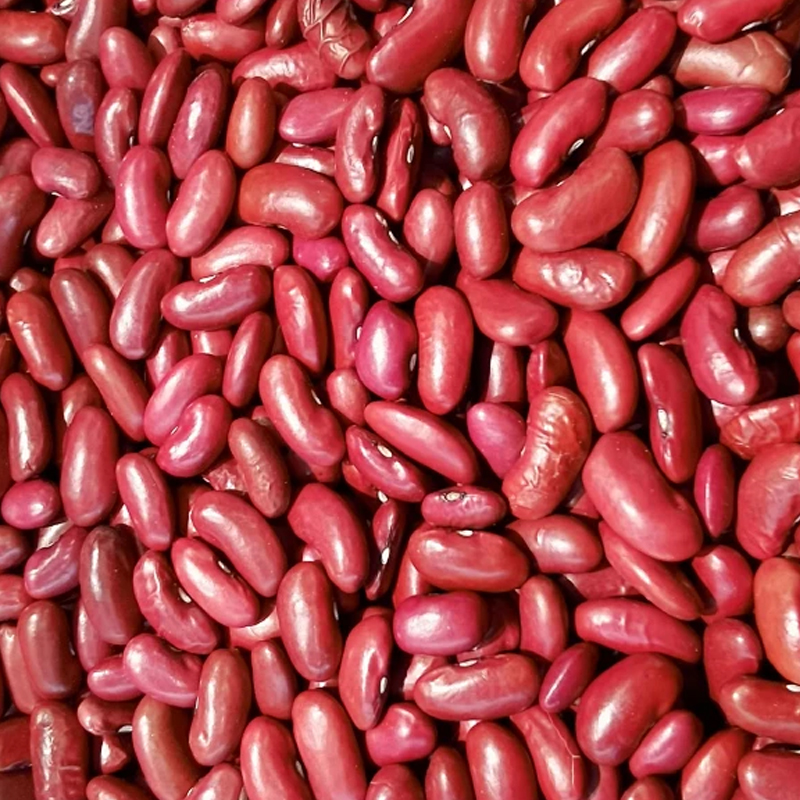
Pinto Beans: The core variety of north-central Mexico (specifically Zacatecas and Durango). Characterized by a light background with brown speckles, they are a staple ingredient for refried beans and burrito fillings, and occupy the largest cultivation area in Mexico.
Black Beans (Negro / Jamapa): Primarily produced in the southern regions (Oaxaca, Chiapas, and Yucatán). These small, glossy black beans are widely used in black bean soups and dips, and represent a high-demand commodity in trade with South America.
2. Commercial Specialty Varieties (Key Exports)
Mayocoba Beans (Peruvian Beans): A creamy, pale yellow variety with a dense texture. Primarily cultivated in central Mexico, they are exported in large quantities to North America and Peru.
Flor de Mayo / Flor de Junio Beans: Traditional, heirloom varieties featuring speckled skins. Classified as mid-range edible beans, they are consumed primarily within the domestic market.
Bayo Beans: Small, round, light-brown beans with a mild flavor profile. They are cultivated on a scattered commercial scale across the central-western regions.
3. Niche Bean Varieties
Chickpeas, lentils, and pigeon peas are cultivated sporadically; their production volume is significantly lower than that of common beans.
II. Major Bean Varieties in Peru (Native Andean Beans + Naturalized Imported Varieties; Categorized by Coastal vs. Highland Production Zones)
1. Commercial Leader: Golden Yellow Beans (Canario / Mayocoba)
Peru’s number one economic bean crop, cultivated extensively across coastal regions and Andean river valleys. Characterized by large, pale yellow grains and a buttery texture, they are a signature Peruvian export and a global bestseller.
2. Traditional Bulk Bean Varieties
Bayo Beans: Featuring reddish-brown skins and firm flesh, these are a staple crop in the highland production zones. A standard ingredient for meat stews, they enjoy high domestic sales volume.
Large White Lima Beans (Pallar): A bean variety native to Peru, with core cultivation concentrated in the coastal Ica region. These large, flat white beans are a key ingredient in Western-style stews and casseroles.
Pinto Beans: Cultivated in the central mountainous regions. Genetically identical to the Mexican Pinto bean, they serve as a daily dietary staple. Black Kidney Beans: Grown sporadically in the northern region; usage volume is lower than that of yellow kidney beans and Bayo beans.
3. Unique Andean Specialty Beans (Highland Specialties)
Tarwi (Andean Lupine / *Chocho*): A bean native to high-altitude plateaus (above 3,000 meters); rich in protein, it is consumed after undergoing a process to remove bitterness and serves as a distinctive Peruvian specialty grain.
Pigeon Peas (*Frijol de palo*): Cultivated in the northern regions of Piura and Lambayeque due to their drought resistance; production is primarily geared toward the export of canned fresh beans.
Dried Broad Beans and Dried Peas: Account for approximately 47% of Peru’s total legume production; they are cultivated on a large scale in open fields across the highlands.
Lentils, Black-eyed Peas, and Cranberry Beans: Grown in small batches within specific regional areas.
Mainstream Cleaning Equipment for Mexican and Peruvian Beans (Suitable for Pinto Beans, Black Beans, Mayocoba Beans, Lima Beans, and Bayo Beans)
Common Impurities in Raw Beans from Both Countries: Soil clods, sand and gravel, straw fragments, shriveled beans, insect-damaged beans, discolored or defective beans, metal scraps, and foreign bean varieties. Mexican beans often contain dry-land sandy soil impurities, while Peruvian beans—particularly those from coastal regions—tend to contain silt and sand, and those from highland regions often contain grass seeds. Production lines typically feature a standard six-stage cleaning configuration; small-to-medium-sized workshops may opt for a simplified setup, whereas large-scale export facilities require a fully comprehensive system.
I. Pre-processing Equipment (First Stage: Preliminary Cleaning)
1. Air-Screen Pre-cleaner (Standard equipment for both countries)
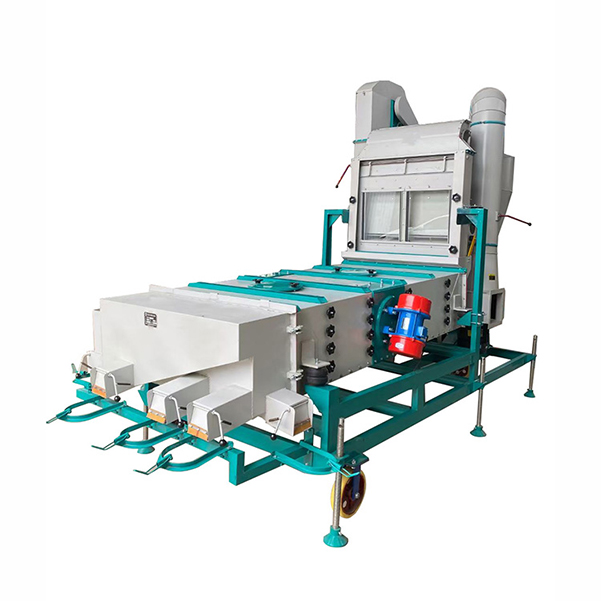
Air-Screen Cleaner
Removes straw, bean vines, dust, oversized soil clods, and fine broken beans. It relies on a combination of air aspiration and multi-layer vibrating screens to classify and remove impurities. This unit is universally applicable for Mexican Pinto beans and Black beans, as well as Peruvian Mayocoba beans. Large-scale facilities utilize units with a single-machine capacity of 3–10 tons/hour, while small workshops typically employ simpler air-screen models with a capacity of 1–2 tons/hour.
II. Mid-stage Core Refining Equipment (Removal of Sand, Gravel, and Defective Beans)
1. Gravity Destoner (Removes “Companion Stones”)
Removes sand, gravel, and soil clods that are similar in size to the beans themselves. This is an essential component, particularly for Mexican beans from central dry-land regions (which contain high levels of soil impurities) and Peruvian coastal Mayocoba beans (which often contain sea sand), as it effectively separates heavy impurities of the same physical dimensions.
2. Gravity Separator (Density Sorter; Standard equipment for South American export facilities)
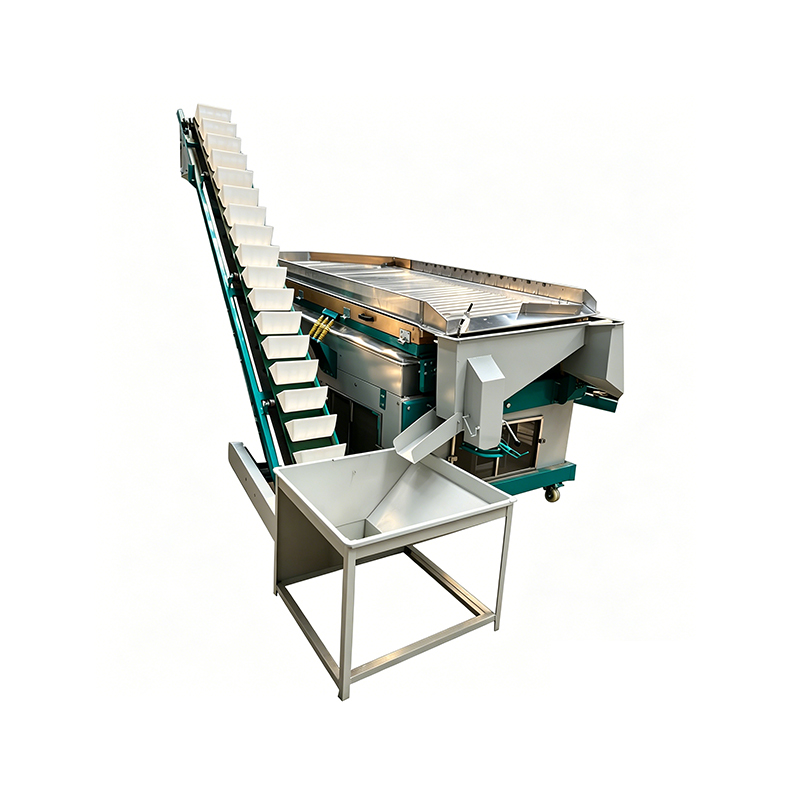
Bean Gravity Separator
Sorts beans based on density: removes shriveled grains, insect-damaged beans, moldy or lightweight beans, and immature beans. This is a mandatory component for the fine processing of Mexican Cranberry beans and Peruvian Mayocoba beans, serving as a critical piece of equipment for elevating export quality grades. The machine features a three-way discharge system, separating the output into premium-grade beans, sub-standard beans, and waste material. 3. Grading Sieve: Used to distinguish between beans of varying lengths and irregular shapes—specifically to remove weed seeds, slender miscellaneous beans, and short broken fragments. This equipment is extensively utilized for varieties with significant size disparities, such as Peruvian Lima beans and Bayo red kidney beans; in Mexico, it is frequently employed to sort beans by size and grade for pricing purposes.
1. Bean Color Sorter (Photoelectric Sorting — A High-End, Essential Requirement for Exports)
Bean Color Sorter
Color-based Rejection: Beans with black spots, discolored or moldy beans, defective beans with mottled skins, and miscellaneous foreign beans;
Mexico: Sorting Black Kidney Beans to remove spotted or damaged beans; sorting Pinto Beans to remove blackened grains;
Peru: Sorting Yellow Beans to remove green grains and browned beans; sorting Bayo Beans to remove white or defective grains. This is indispensable equipment for fulfilling orders from North America and Europe.
2. Bean Polisher (An Optional Premium Addition for Export Trade)
Polishes away surface dust, black spots, and skin fragments from the beans, thereby enhancing their natural luster. Commonly used for Yellow Kidney Beans exported from Peru and premium Black Beans from Mexico; generally omitted for bulk beans intended for domestic sale.
IV. Two Production Line Configuration Options
1) Small-to-Medium Farmers / Small-Scale Domestic Processors (Rural Mexico, Smallholders in the Peruvian Highlands)
Preliminary Air-Screen Cleaning → Magnetic Separation → Simple Destoning. Removes major impurities; suitable for local bulk sales.
2) Export Processing Plants (North-Central Mexico, Coastal Export Hubs in Peru)
Preliminary Screening → Magnetic Separation → Destoner → Gravity Separation (Fine Selection) → Grading → Color Sorting (+ Polishing). Finished products meet European and North American food-grade purity standards.
Post time: Jun-03-2026