
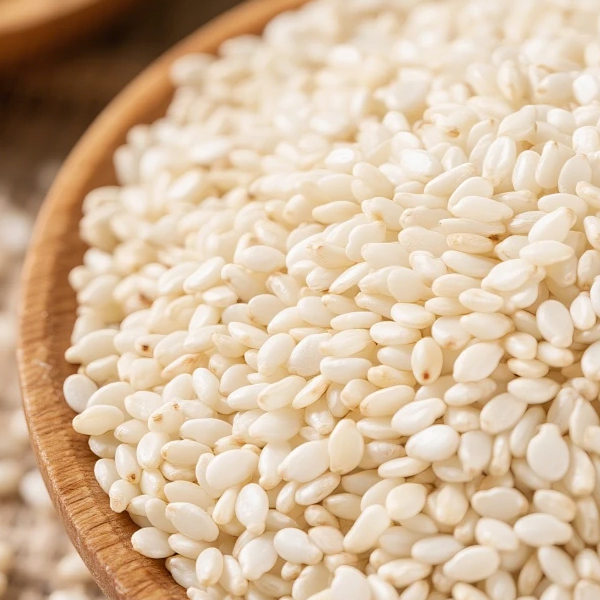
Common Issues, Causes, and Challenges in Sesame Cleaning and Processing
Sesame seeds are extremely small, possess a low specific gravity, contain a complex mix of impurities, and have thin, fragile skins that are prone to damage. Throughout the entire processing workflow—including cleaning, destoning, air classification, screening, drying, and conveying—numerous unique challenges arise. Based on practical processing scenarios, these issues are summarized as follows:
I. Complex Impurities in Raw Materials: Significant Cleaning Difficulty
High Content of Light Impurities
During harvesting, sun-drying, and threshing, large quantities of broken stalks, leaf fragments, husks, dust, grass clippings, and fine lint become mixed in with the sesame seeds. Since sesame seeds are inherently light, and the suspension characteristics of these light impurities closely resemble those of the seeds themselves, standard air classification methods struggle to achieve complete separation, often resulting in residual contamination.
Abundance of Fine and “Companion” Impurities
The raw material is often contaminated with sand, fine soil dust, tiny grass seeds, and weed seeds. Furthermore, it frequently contains “companion impurities”—such as small pebbles—that are nearly identical to the sesame seeds in terms of size and weight. Standard sieves combined with conventional destoning equipment are unable to effectively remove these contaminants, making them the primary cause of finished products exceeding allowable impurity limits.
Contamination by Foreign Grains and Defective Seeds
The batch may contain moldy, shriveled, insect-damaged, broken, or discolored sesame seeds, as well as foreign grains such as millet, foxtail millet, and other small cereals. Manual sorting is extremely inefficient for such mixtures, while conventional screening methods struggle to achieve effective grading and separation.
II. Challenges in the Screening and Grading Stage
Severe Screen Clogging and Sticking
Sesame seeds possess natural surface oils and fine lint; in humid environments, they tend to clump together and become sticky, adhering to the mesh openings of the sieves. This causes screen blockage, drastically reduces screening efficiency, and necessitates frequent equipment shutdowns for screen cleaning.
Incomplete Screening and Uneven Grading
The size variation among sesame seeds is minimal; thin, shriveled seeds often have dimensions very similar to those of healthy seeds, making it difficult to select appropriate round-hole or slotted sieves. Furthermore, improper adjustment of equipment vibration amplitude or airflow velocity can lead to “clean” batches still containing impurities, or “waste” batches inadvertently carrying away good seeds, resulting in high material loss.
Poor Material Flowability
Although sesame seeds are small and smooth, they tend to accumulate and clump together easily. This results in an uneven thickness of the material layer flowing across the screen, creating localized “dead zones” where screening is ineffective and impurities remain incompletely removed.
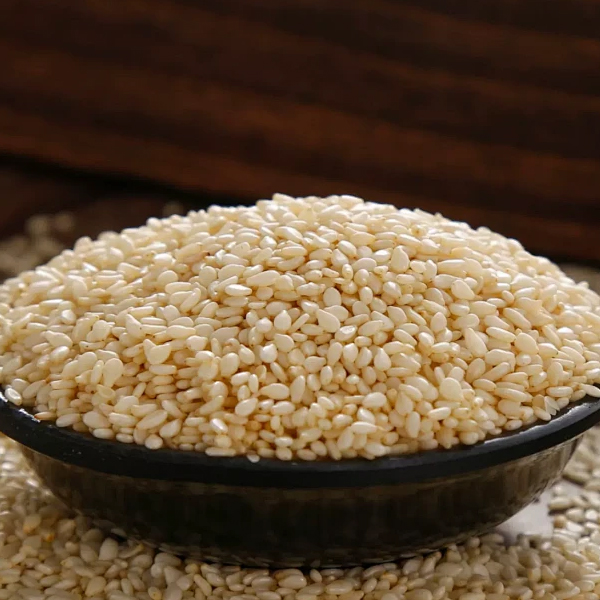
III. Core Challenges in the Destoning Process
1. Difficulty Removing “Companion Stones”
Small pebbles and grit—similar to sesame seeds in both size and weight—represent the most critical pain point in processing. Conventional gravity destoners exhibit poor material stratification; this often leads to stones being missed or incomplete discharge, directly compromising the food safety and quality of the finished product.
2. Material Run-off and Leakage in Destoners
Given the light texture of sesame seeds, even slight deviations in airflow or vibration parameters can lead to issues: valuable sesame seeds may be inadvertently discharged alongside the stones (resulting in material loss), or stones may end up mixed into the finished product. Maintaining operational stability is therefore a significant challenge.
IV. Issues in the Air Separation and Dust Removal Stage
1. Difficulty in Calibrating Airflow
If the airflow volume is too low, dust and light husks are not effectively blown away; conversely, if the airflow is too strong, plump, high-quality sesame seeds may be suctioned away along with the debris, resulting in raw material loss. Precise calibration of airflow velocity and negative pressure is therefore essential.
2. Significant Dust Pollution
Sesame seeds generate a substantial amount of fine soil particles and fibrous dust. Inadequate dust removal allows dust to permeate the workshop environment, not only degrading working conditions but also causing dust particles to adhere to the surface of the sesame seeds—contaminants that are subsequently difficult to remove completely, even through washing.
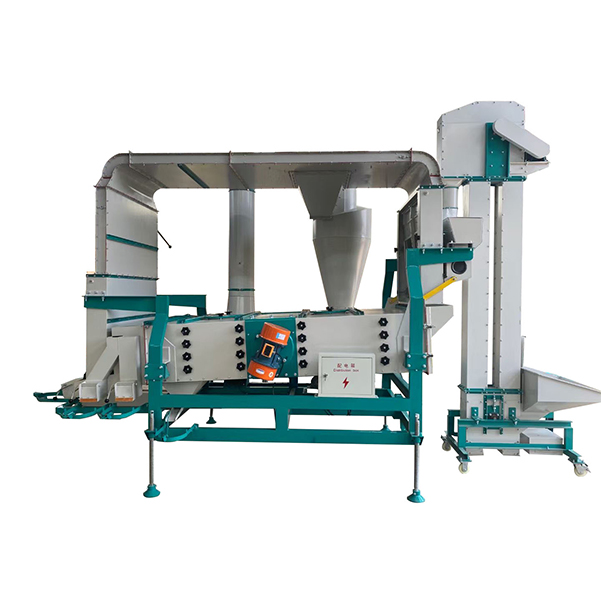
V. Material Damage and Quality Degradation
1. Increased Skin Breakage and Fragmentation
Sesame seeds possess thin skins and high oil content; excessive friction and impact during lifting, conveying, auger transport, and screening operations make them highly susceptible to crushing and skin breakage. When the skin is broken, the internal oil is exposed, making the seeds prone to oxidation (rancidity) and mold growth, thereby significantly reducing their shelf life.
2. Clumping and Agglomeration
When the raw material moisture content is elevated, sesame seeds tend to stick together and form clumps. These clumps are difficult to break apart; furthermore, impurities become trapped within the interior of the clumps, rendering them inaccessible to air separation and screening processes, thereby creating “blind spots” where impurities remain unremoved.
VI. Issues Arising from Washing, Drying, and Subsequent Storage
1. Difficulty in Dewatering After Washing
Water-washed sesame seeds retain a high moisture content; the surface moisture is difficult to drain completely, resulting in uneven drying and significant localized variations in moisture levels.
2. Deterioration Due to Over-Drying
Excessively high temperatures can cause the sesame seeds to scorch, exude oil, and darken in color. Conversely, insufficient drying leaves the finished product with excessive moisture levels, making it highly susceptible to moisture re-absorption, mold growth, and insect infestation during storage.
VII. Equipment Compatibility and Operational Challenges
Prone to Clogging and Residue Accumulation
Tiny sesame seeds can easily become lodged in equipment crevices, air ducts, and dead corners. If left to accumulate over time, this residue can become moldy and contaminate subsequent batches of raw materials.
Difficulty in Recovering and Reusing Byproducts
The fragments, shriveled seeds, and miscellaneous impurities separated during screening are often mixed together. The cost of sorting and reprocessing this mixed waste stream for reuse is prohibitively high, resulting in a lower overall yield for the production process.
Post time: Apr-27-2026