I. Common Core Problems in Grain Cleaning Production Line Operation
1. Complex and Mixed Impurities, Difficult to Separate
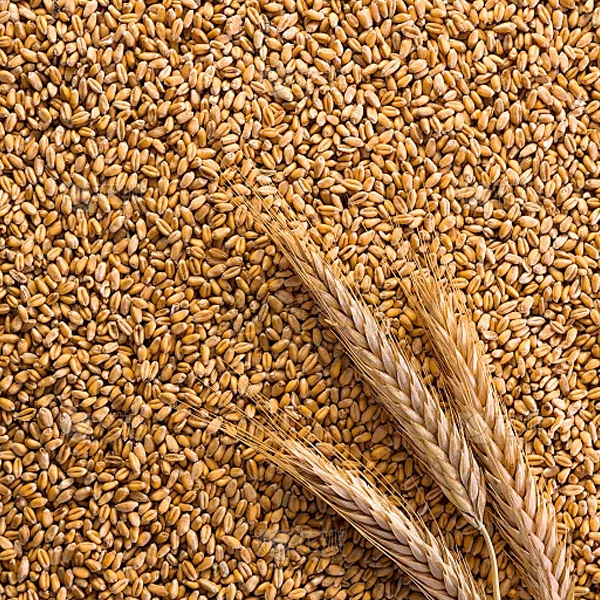
Raw materials contain a variety of impurities, including large impurities, small impurities, light impurities, adjacent impurities, stones, soil clods, moldy grains, insect-damaged grains, and discolored grains.
Large impurities: Straw, hemp rope, plastic bags, wheat ears, weeds
Small impurities: Broken grains, dust, fine soil, shriveled grains
Light impurities: Broken straw, dust, shriveled grains, floating dust
Adjacent impurities: Broken soil particles and different types of grains similar in size and weight to grains, the most difficult to remove
Adjacent stones: Stones similar in size and specific gravity to grains, difficult to remove manually
2. Large Fluctuations in Material Moisture and Dust Content
Damp raw materials easily clog screens, stick to equipment, and clump together, significantly reducing screening efficiency. High dust levels cause serious dust pollution in the workshop, affecting equipment heat dissipation and blocking air ducts.
3. Substandard Grading, Mixing of Large and Small Grains
The finished product contains a mixture of large, small, and broken grains, failing to meet the grading standards for commercial grains, thus affecting the selling price.
4. 5. Incomplete Stone Removal: Ordinary screening cannot remove stones and clods of similar specific gravity, resulting in excessive stone content in the finished product. This can easily damage equipment during subsequent processing such as grinding and oil extraction.
6. Incomplete Removal of Moldy, Discolored, and Diseased Particles: Large-scale sorting by eye is difficult, and manual sorting is inefficient, costly, and prone to missed inspections.
7. Uneven Material Flow, Blockage, and Backflow: Fluctuations in feed volume cause equipment overload, material buildup on the screen surface, blockage of the elevator, and production line shutdown.
8. High Cleaning Losses and Broken Particles: Improper adjustment of equipment wind speed, screen mesh, and tilt angle causes good grain to be discharged as impurities, increasing the breakage rate.
9. Mismatched Capacity: Fast front-end feeding and insufficient back-end cleaning equipment lead to congestion throughout the line; or redundant equipment configuration wastes energy.
II. Commonly Used Complete Set of Equipment in Grain Cleaning Production Line
1. Front-end Pre-treatment Equipment
Cylindrical Primary Cleaning Screen / Vibrating Primary Cleaning Screen: The first stage of cleaning, removing large impurities such as straw, hemp rope, large clods of soil, and woven bags, preventing clogging of subsequent equipment.
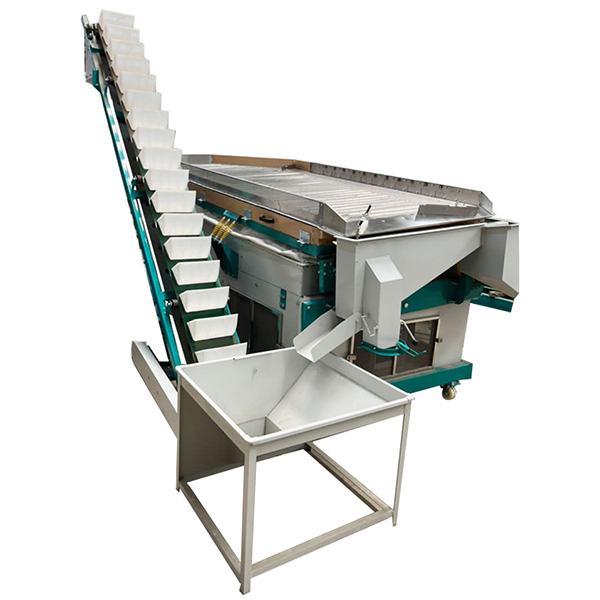
TAOBO Bucket Elevator: Vertically transports grains, connecting various pieces of equipment. It provides closed conveying, minimizing dust and preventing spillage.
2. Core Air Screening Equipment
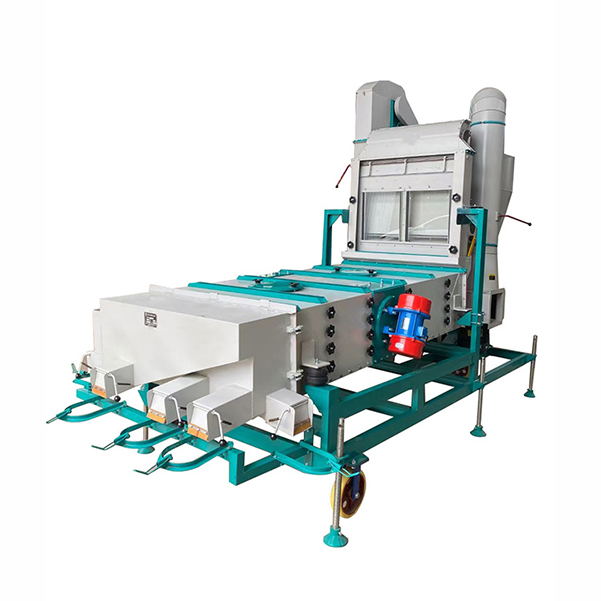
TAOBO grains Air Screen Cleaner (Dual-stage Cleaner): Integrates air separation and multi-layer sieving:
Air separation removes light impurities, dust, and shriveled grains.
Multi-layer sieves separate large impurities, small impurities, and clean grains according to particle size, while also performing preliminary grading.
3. Destoning Equipment
TAOBO grains Gravity Destoner:Utilizes specific gravity and suspended airflow to specifically remove adjacent stones, clods of soil, and heavy impurities similar in size to the grains. It is an essential piece of equipment for grain destoning.
4. TAOBO Grain grading machine: Precisely grades cleaned grains into large, medium, and small sizes, separating whole grains, broken grains, and shriveled grains to meet commercial grading standards.
5. TAOBO grain Sorting machine: Color Sorter: Photoelectric intelligent sorting removes moldy grains, blackened grains, diseased grains, different grain types, and discolored impurities, improving the appearance and grade of the finished product.
6. Auxiliary Equipment: Dust Collector: Centrally collects dust from the production line, reducing dust and protecting the equipment’s air ducts. Buffer Silo: Balances material flow, stabilizes the feed throughout the production line, and prevents sudden changes in feed speed.
The Significance of Grain Cleaning Equipment for Removing Impurities:
I. Ensuring Grain Quality and Commercial Grade: Removing various impurities such as straw, clods of earth, stones, dust, moldy grains, insect-damaged grains, and mixed-variety grains ensures the grain meets cleanliness standards, uniform appearance, and complies with national standards and market grading standards, thereby improving commercial grade and sales price.
Removing shriveled, broken, and diseased grains while retaining plump and intact grains significantly improves overall quality, making it suitable for storage, processing, and export.
II. Protecting Subsequent Processing Equipment and Reducing Losses and Maintenance Costs: Stones, hard clods of earth, and metal debris entering milling, oil pressing, rice milling, and feed processing equipment can wear down screens, grinding rollers, screw presses, and rice milling rollers, causing abnormal noises, jamming, and damage.
Proactive impurity removal reduces equipment failures, extends service life, and lowers downtime for maintenance and parts replacement costs.
III. Reducing Grain Loss and Increasing Yield: Separating and recovering qualified grains mixed in with raw materials from impurities prevents good grains from being wasted with waste.
After cleaning, the grains are neat and free of debris, significantly improving the yield of rice, flour, and oil in subsequent processing, leading to increased production and income.
IV. Facilitates Safe Storage and Prevents Mold and Spoilage: Impurities such as broken straw, dust, shriveled grains, and damp clods easily absorb moisture, breed mold, and generate heat, causing clumping. Bringing these into the storage area can lead to mold, insect infestation, and heat generation throughout the grain.
Cleaned grains have uniform moisture content and good aeration, reducing the risk of heat generation, mold, and insect infestation during storage, and extending the storage period.
V. Improves the Production Environment and Protects Against Dust: Centralized removal of dust, light impurities, and chaff reduces dust and airborne particles in the workshop, improving the working environment for operators.
With a dust removal system, dust is collected and discharged centrally, meeting environmental protection production requirements.
VI. Meets Food Hygiene and Food Safety Requirements: Impurities, moldy grains, and insect-infested grains easily carry mycotoxins, insect eggs, and bacteria. Cleaning reduces food safety risks, meeting hygiene standards for grain processing and food production, making it suitable for supermarkets, food factories, and export quality inspection.
VII. Improve automated production efficiency and reduce labor costs. Manual sorting is inefficient, prone to leakage, and has high labor costs; specialized cleaning equipment can continuously and automatically remove impurities in large quantities, replacing manual sorting, ensuring smooth and uninterrupted production lines, and making large-scale production more worry-free.
Post time: May-12-2026