
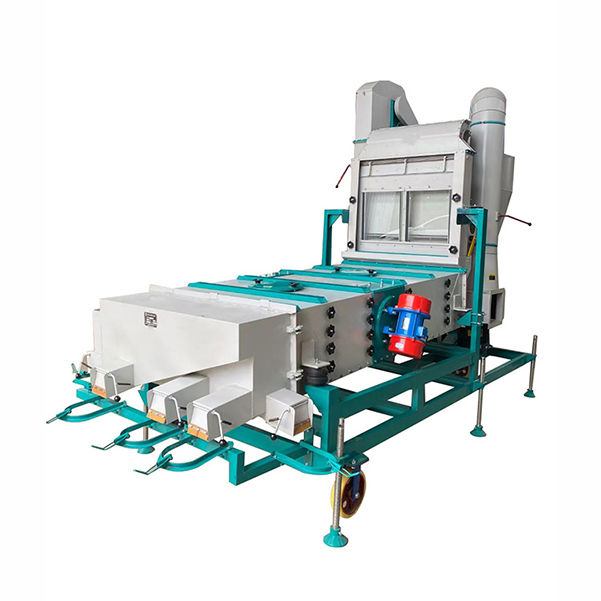
I. The Core Role of the Air-Screen Cleaner in the Sesame Processing Line
The air-screen cleaner serves as the core pre-processing equipment at the beginning of the sesame cleaning line. Typically positioned after raw material intake but before the gravity destoner and color sorter, it handles coarse cleaning and pre-purification, laying the foundation for the stable operation of downstream equipment and the quality of the finished product.
Vibratory Screening: Separating Impurities by Particle Size
Uses multi-layer specialized screens for graded separation: the upper screen captures large impurities such as stalks, pods, and large soil clumps, while the lower fine screen sifts out small impurities like fine sand, broken sesame pieces, and tiny debris, effectively separating foreign matter that differs significantly in size from the sesame seeds.
Multi-stage Air Separation: Removing Lightweight Impurities
Utilizes differences in aerodynamic suspension velocity to extract lightweight impurities such as sesame skins, grass fragments, dust, shriveled seeds, moldy light seeds, and fuzz. Given the high content of light impurities in raw sesame, this step significantly removes floating dust and shriveled seeds.
Protecting Downstream Precision Equipment and Reducing Loss
Removes large quantities of stalks, dust, and debris upfront, preventing sand and soil from abrading the gravity destoner deck or clogging color sorter channels; this reduces the consumption of wear parts and enhances the continuous operational stability of the entire line.
Preliminary Quality Enhancement and Feedstock Standardization
Standardizes input purity and minimizes fluctuations in impurity levels; optional screens allow for preliminary sesame grading—separating plump, large seeds from small, shriveled ones—to facilitate subsequent processing steps such as dehulling, oil extraction, and commercial grading.
Enclosed Dust Removal: Improving the Production Environment
An integrated dust removal system collects dust centrally, preventing processing dust from escaping into the air and ensuring compliance with environmental standards for food processing.
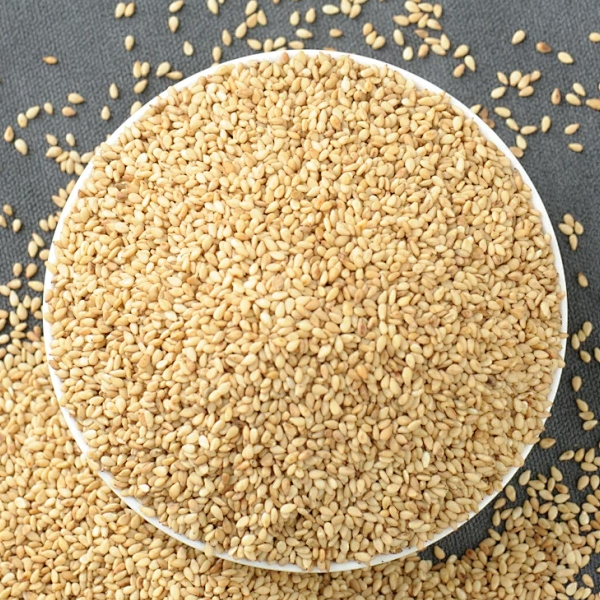
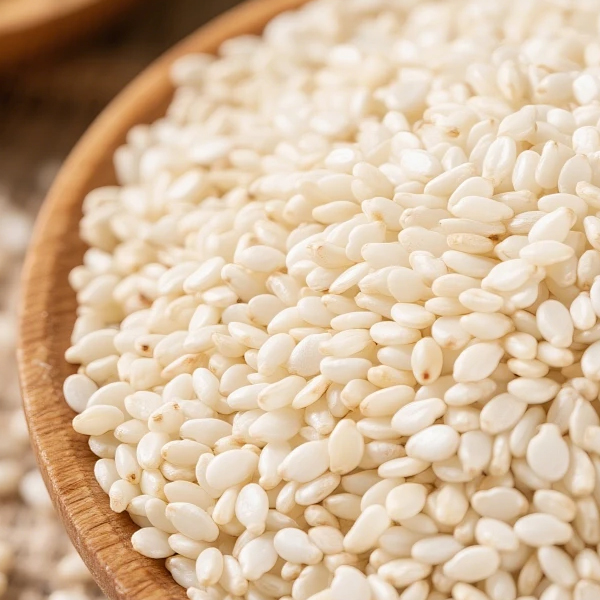
II. Unique Advantages for Sesame Cleaning
Tailored to the characteristics of tiny sesame seeds; minimizes material loss
Customizable screens with elongated slots prevent round sesame seeds from getting stuck or clogging the mesh; continuously adjustable airflow precisely matches the needs of various materials—such as black/white sesame, hulled sesame, and raw sesame—effectively reducing the loss of plump seeds alongside impurities.
Dual-stage impurity removal (air and screen) ensures high pre-processing efficiency
Simultaneous removal of size-based impurities (via screening) and lightweight impurities (via air separation) in a single pass; a dual-air-duct structure removes secondary dust generated by crumbling soil clods during vibration, resulting in a better finish and luster for the final product.
High versatility and easy changeover
Quick screen replacement and adjustable airflow allow a single machine to process raw sesame, hulled sesame, and sesame seeds; suitable for both the coarse cleaning of raw material and the re-cleaning of sesame kernels after hulling.
Gentle material handling; low damage rate
A low-excitation vibration structure minimizes damage to the sesame skin, preventing oil leakage and seed breakage; ideal for processing scenarios requiring intact sesame seeds or premium-grade whole seeds.
Capacity suited for large-scale lines; stable and energy-efficient operation
Designed for continuous production lines; can be paired with bucket elevators and storage hoppers to form an automated feeding system. The robust, low-maintenance structure features rubber cleaning balls on the screen surface to prevent clogging during long production runs, thereby reducing downtime for cleaning.
Front-end coarse cleaning significantly lowers overall processing costs
Removing large amounts of impurities at the initial stage reduces the load on gravity destoners and color sorters; this alleviates sorting pressure, lowers power and spare parts consumption, and ensures consistent product purity, helping the final product meet the 99.5% commercial purity standard.
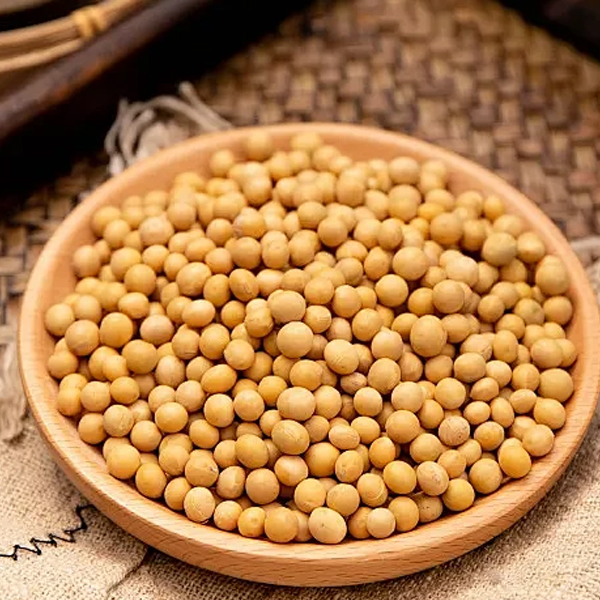
Scope of Application for Air-Screen Cleaning Machines
I. Oil Crops
Sesame, rapeseed, flaxseed, sunflower seeds, peanuts, soybeans, camellia seeds, castor seeds, etc. Removes pods, dust, shriveled grains, weed seeds, and stalk fragments; serves as a pre-treatment step before oil extraction.
II. Various Grains and Cereals
Wheat, corn, rice, sorghum, barley, oats, buckwheat, and millet. Used for impurity removal during grain procurement, pre-treatment for grain storage, and initial cleaning in grain processing.
III. Legumes and Specialty Grains
Mung beans, adzuki beans, kidney beans, pinto beans, chickpeas, pigeon peas, lentils, cowpeas, and fava beans. Removes pods, broken fragments, soil/sand, and plant debris; serves as the first step in legume precision processing lines.
IV. Seeds (Vegetable Seeds, Forage Seeds, Improved Crop Seeds)
Wheat seeds, corn seeds, vegetable seeds, forage seeds, and flower seeds. Capable of impurity removal and preliminary grading, meeting purity standards in the seed processing industry.
V. Cash Crops and Specialty Agricultural Products
Coffee beans, cocoa beans, Sichuan pepper, black pepper, fennel seeds, cumin, and goji berries. Removes fruit skins, stems/twigs, dust, and shriveled particles.
Post time: Jul-30-2026