I. List of Legumes Processable by the Polisher + Impurities Removed
(A) Suitable for All Legume Varieties
Standard edible legumes:
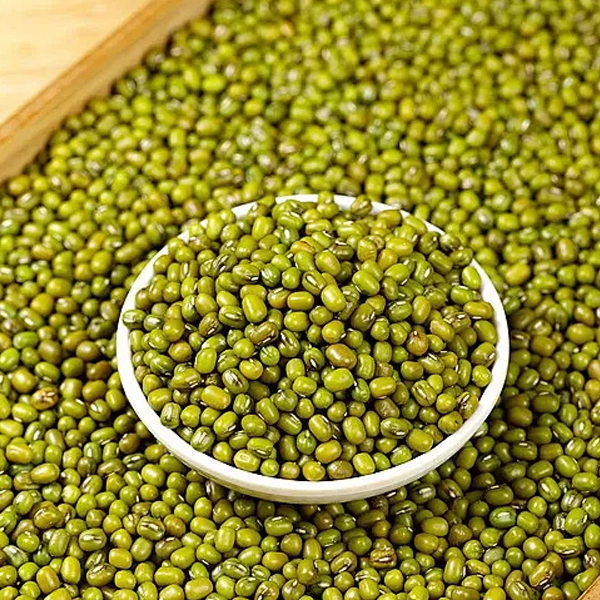
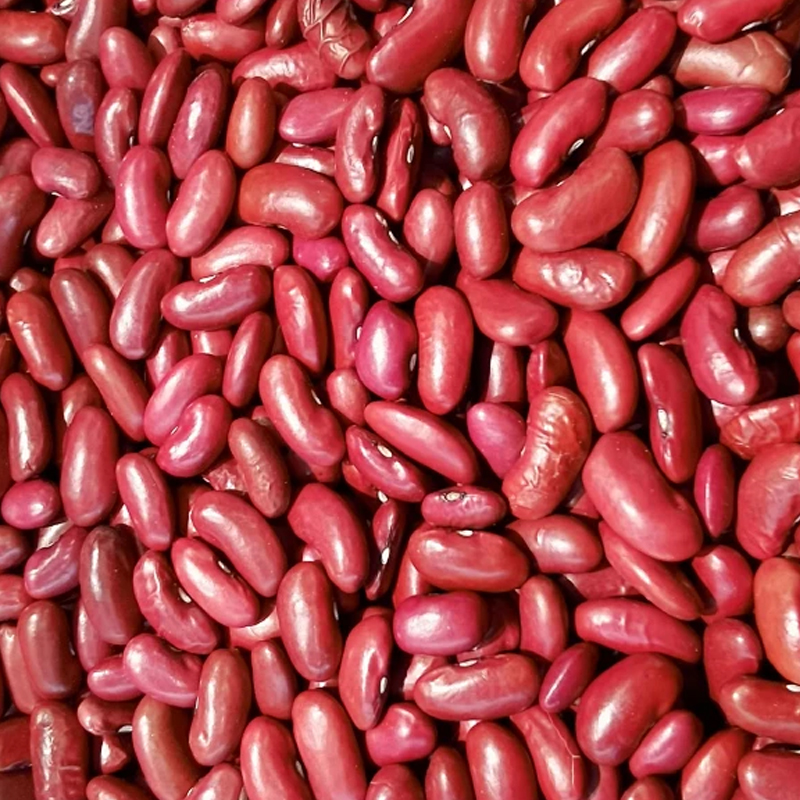
Soybeans, mung beans, adzuki beans, red beans, kidney beans (red and white), chickpeas, lentils, peas, fava beans, black-eyed peas, pinto beans, lentils, cowpeas, runner beans, sword beans, and other intact, hard-textured legumes can all be processed.
Note: Exercise caution with small broken fragments, peeled split beans, or very fragile/soft beans, as these are prone to generating a large number of broken particles.
(B) Surface Impurities Removable by the Machine (Physical dry surface cleaning only; does not remove large/heavy impurities like stones or stalks)
Surface dust, adhering fine soil, mud spots, mud stains, and field-soil residue;
Dust, chaff, seed coat fragments, and skin debris embedded in the wrinkles of the bean skin;
Light surface mold, mold spots, blackened surface stains, and insect-damaged surface residue;
Pod fuzz, impurities adhering to the hilum, and dull surface film caused by storage;
Clumped beans (separated via friction with simultaneous dust removal).
II. Comprehensive Working Principle of the Bean Polishing Machine
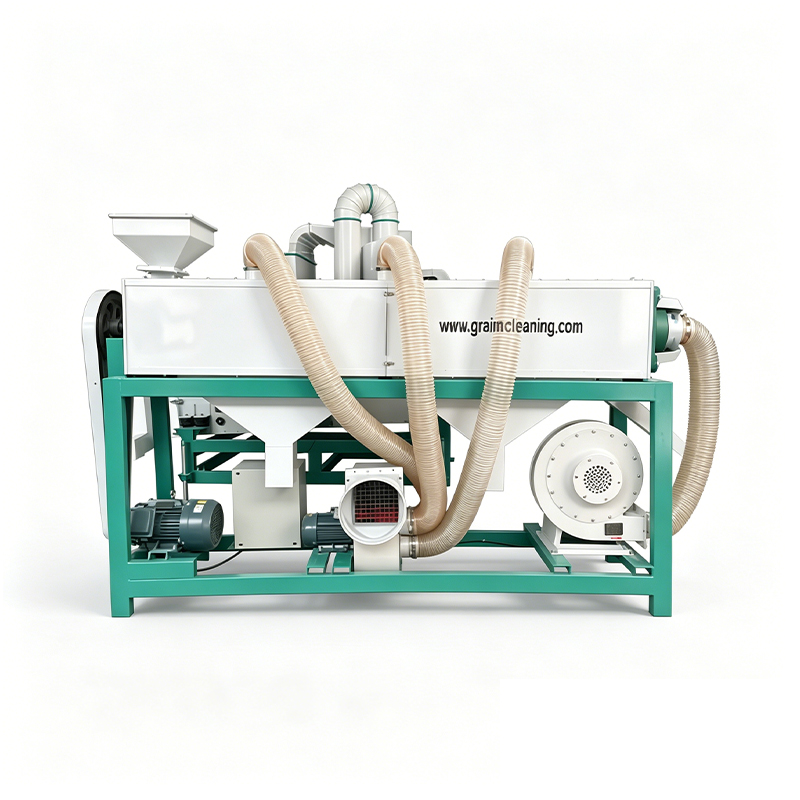
The mainstream model is a dry-process polishing machine utilizing a spiral cloth-roller friction mechanism. It operates entirely without water or chemical agents, combining purely physical friction with negative-pressure air separation. Its core feature is a triple-action friction and dust-removal process:
Active friction from the spindle’s cloth roller
The rotating spindle is wrapped with food-grade pure cotton cloth and wear-resistant brushes; high-speed rotation continuously rubs the surface of individual beans, dislodging stubborn dirt, mold spots, and accumulated dust.
Mutual friction and compression between beans
Spiral blades propel the beans forward, keeping the material inside the chamber in a fluidized, tumbling state; beans rub and collide with one another, causing dust embedded in crevices to break loose.
Friction between material and the screen cylinder
The polishing chamber is enclosed by a perforated screen cylinder; beans roll and rub against the inner wall, allowing dislodged dust and fine soil particles to pass directly through the screen holes into the dust collection bin.
Simultaneous impurity removal via negative-pressure suction
An integrated centrifugal fan creates a negative-pressure airflow, instantly extracting dust and fine skin fragments generated during polishing to prevent them from re-adhering to the clean bean surfaces; polishing and dust removal occur simultaneously.
The flexible cloth roller features soft material, controllable rotation speeds, and adjustable clearances; under normal operating conditions, the rate of bean breakage is extremely low, as the process polishes only the outer skin without damaging the intact bean kernel.
III. Complete Continuous Processing Workflow
Pre-treatment (Standard on production lines; manual preliminary sorting is recommended for standalone units)
Raw materials first pass through a preliminary cleaning screen and a gravity destoner to remove stones, stalks, soil clods, twine, and large impurities. This prevents hard objects from entering the polishing chamber, which could damage the cloth roller or crush the beans.
Four-Step Continuous Polishing Process
Step 1: Metered Feeding
Pre-treated beans are conveyed via a bucket elevator to the polisher’s feed hopper. The feed gate is adjusted to control the flow rate, ensuring a stable fill level in the polishing chamber; inconsistent feeding can lead to uneven polishing and fluctuations in the cleanliness and moisture content of the output.
Step 2: Friction Polishing in the Chamber (Core Process)
A motor drives a spiral cloth roller to rotate at a constant, low speed. The spiral blades push the beans forward axially while the cloth roller continuously rubs them radially.
Beans tumble and rub against each other within the chamber; a triple-action friction process simultaneously strips away all surface residues. Fine dust passes through the outer screen and falls into the dust collection hopper below.
Step 3: Negative Pressure Air Separation of Fine Impurities
A fan continuously draws air from the polishing chamber. Airborne dust, light bean skin fragments, and fuzz are sucked into a dust collection bag for centralized disposal, while the clean beans continue moving forward, undisturbed by the airflow.
Step 4: Finished Product Discharge & Diversion
Polished, brightened beans are continuously discharged from the outlet at the end of the machine. They can be fed directly into packaging machines, grading screens, or color sorters for further processing.
Accumulated dust in the bottom hopper is discharged periodically in a centralized manner without leakage, meeting environmental standards for grain processing workshops.
Post-Processing (Refining Line)
After polishing, the beans exhibit uniform luster and reduced color variation. Feeding them into a color sorter significantly minimizes interference with recognition, resulting in higher precision when rejecting defective beans; alternatively, they can be packaged directly as clean, marketable grain. IV. Summary of Key Advantages
Dry processing eliminates the need for washing and drying, results in zero wastewater discharge, and ensures the product is less prone to moisture absorption or mold during storage;
Removes only surface impurities while fully preserving the seed coat and bean integrity, with a broken bean rate of less than 0.3%;
Delivers dual benefits of simultaneous dust removal and surface brightening, significantly enhancing the product’s visual quality and market value;
Can operate as a standalone unit or integrate seamlessly into complete bean cleaning production lines, making it suitable for continuous processing in large-scale facilities.
Post time: Jun-10-2026