
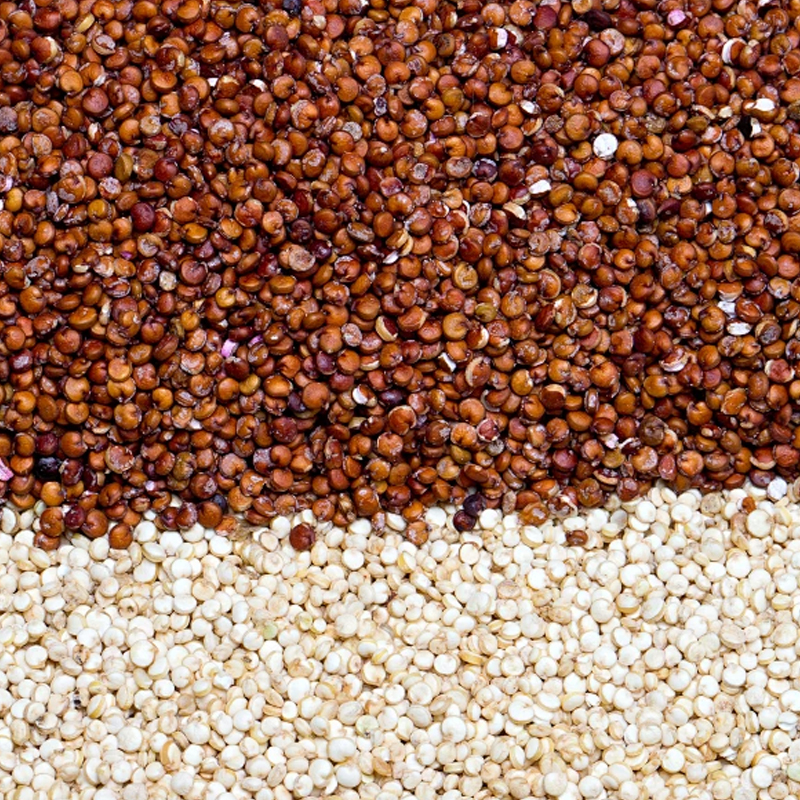
The core function of a wind-screen cleaner when processing sorghum seeds lies in a two-step process: pneumatic separation to remove light impurities, followed by vibrating screening to eliminate oversized and undersized debris. This combined approach effectively separates dust, hulls, broken stalks, shriveled grains, stones, and misshapen seeds, yielding seeds of high purity and excellent plumpness.
I. Working Principles
1. Pneumatic Separation Principle (Based on Aerodynamic Differences)
A fan generates an adjustable airflow (ranging from 3 to 8 m/s) that passes through the stream of grain.
Light Impurities (dust, hulls, broken stalks, shriveled grains, insect-damaged grains): Possessing a suspension velocity lower than the airflow speed, these particles are carried away by the air current and subsequently collected and discharged via a cyclone or bag-filter dust collector.
Plump Sorghum Seeds: Characterized by high density and a suspension velocity exceeding the airflow speed, these seeds fall through the air current and proceed into the screening system.
2. Vibrating Screening Principle (Based on Geometric Size Differences)
The system employs multi-layer reciprocating vibrating screens (typically 2–3 layers), equipped with self-cleaning rubber balls to prevent screen clogging.
Upper Screen (Large Perforations; 10–12 mm round holes): Retains large impurities (long stalks, soil clods, stones), which are discharged through the large-impurity outlet.
Middle Screen (Medium Perforations; 4–5 mm slotted holes): Allows sorghum seeds to pass through, while small impurities (fine sand, broken grains, weed seeds) fall through to the layer below.
Lower Screen (Small Perforations; 2–3 mm): Collects fine,碎杂质, which are discharged through the small-impurity outlet; the plump seeds remaining on the middle screen surface flow toward the main discharge outlet.
3. Wind-Screen Synergy
The process begins with pneumatic separation to remove light impurities, followed by screening to eliminate oversized and undersized debris. Certain machine models feature a dual wind-screen configuration—positioned both before and after the screening section—executing a sequence of pneumatic separation → screening → secondary pneumatic separation to further reduce the impurity content.
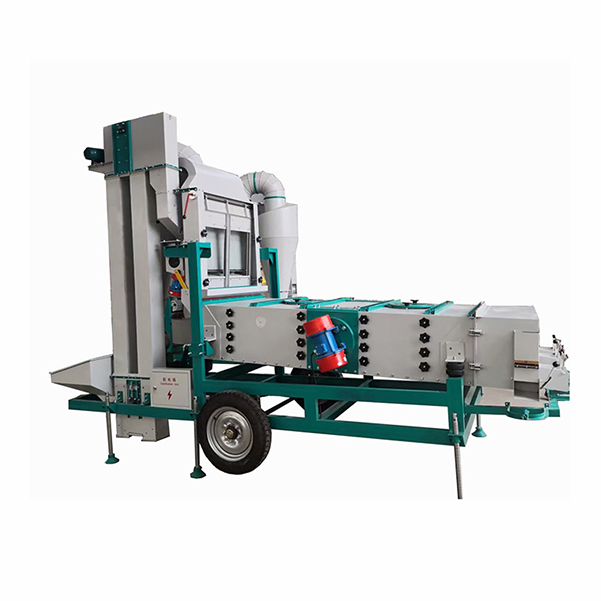
II. Cleaning Process (Specifically for Sorghum Seeds)
1. Feeding and Flow Equalization
A bucket elevator or conveyor belt feeds the sorghum into the receiving hopper. An adjustable slide gate controls the flow rate (5–10 t/h), ensuring the material is spread evenly across the distribution plate to prevent uneven flow.
2. Pre-Air Separation (Initial Removal of Light Impurities)
The material enters a vertical air separation channel, where a fan blows air from below or from the side. Dust, hulls, leaf fragments, and shriveled grains are suctioned away and directed into a cyclone dust collector for separation and collection, while plump seeds fall onto the upper vibrating screen.
3. Multi-Layer Vibrating Screening (Removal of Oversized and Undersized Impurities)
Upper Layer (10–12 mm): Retains straw, soil clumps, and stones, which are vibrated toward the tail end for discharge.
Middle Layer (4–5 mm): Allows sorghum seeds to pass through, while fine sand, broken grains, and weed seeds fall to the layer below.
Lower Layer (2–3 mm): Collects fine impurities and fragments, which are discharged from the bottom outlet.
The qualified seeds from the middle screen surface flow toward the post-air separation stage.
4. Post-Air Separation (Secondary Fine Removal of Light Impurities)
The seeds enter a secondary air separation zone with an adjustable airflow speed (slightly lower than that of the pre-air separation stage) to remove any residual chaff, leaf fragments, and shriveled grains. Light impurities are drawn into the dust collection system, while the clean seeds fall into the finished product discharge outlet.
5. Finished Product Collection and Grading (Optional)
The clean sorghum seeds flow through a chute into the finished product bin. If grading is required, screens with different mesh sizes can be installed to separate the seeds into large, medium, and small grades for separate packaging.
Dust Collection and Impurity Disposal
Light impurities from the air separation system are collected via a combined cyclone and bag filter system. Coarse impurities (oversized) and fine impurities (undersized) from the screening system are discharged through dedicated outlets for centralized disposal.
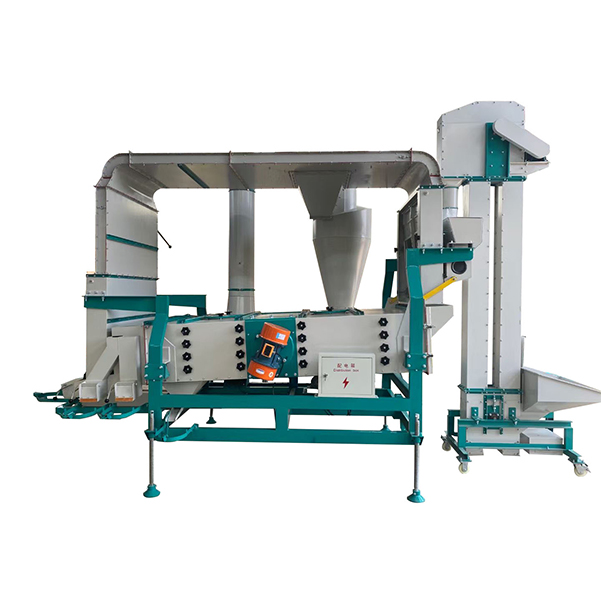
III. Scope of Application for Air-Screen Cleaning Machines
1. Applicable Crop Categories
Grains:
Wheat, corn, sorghum, rice, barley, oats, millet, proso millet, buckwheat, etc.
Legumes & Miscellaneous Grains:
Soybeans, mung beans, red kidney beans, white kidney beans, chickpeas, pinto beans, cowpeas, peas, lentils, etc.
Oilseeds:
Sesame seeds, peanuts, sunflower seeds, rapeseed, flaxseeds, cottonseed, raw soybeans for oil extraction, etc.
Seeds:
Various high-quality grain seeds, vegetable seeds, forage grass seeds, flower seeds, forestry seeds, etc.
Other Granular Materials:
Goji berries, Sichuan peppercorns, fennel seeds, cumin, granular medicinal herbs, plastic pellets, chemical granules, small ore particles, etc.
2. Types of Impurities Removable
Light Impurities: Dust, bran, hulls, broken stems and leaves, straw fragments, shriveled grains, insect-damaged grains, moldy grains.
Large Impurities: Soil clods, stones, long grass stalks, twine ends, large foreign objects.
Small Impurities:Fine sand, broken seeds, weed seeds, fine debris, powdery impurities.
3. Applicable Processing Scenarios
Seed Selection:Grain breeding and processing of high-quality seeds; improves germination rates and purity.
Grain Procurement & Storage: Impurity and dust removal prior to warehousing; reduces spoilage and facilitates storage.
Grain & Oil Processing Plants: Preliminary cleaning stage; serves as pre-treatment for polishing, color sorting, milling, and oil pressing.
Miscellaneous Grain Processing Lines:Preliminary cleaning and fine selection for dedicated production lines involving legumes, sesame, sorghum, etc.
Grain Sorting for Export: Achieving export-standard purity levels; controlling levels of impurities, shriveled grains, and soil content.
Independent Operators & Grain Collection Points: Utilization of mobile or small-scale machine models for on-site grain cleaning operations.
Post time: May-15-2026