
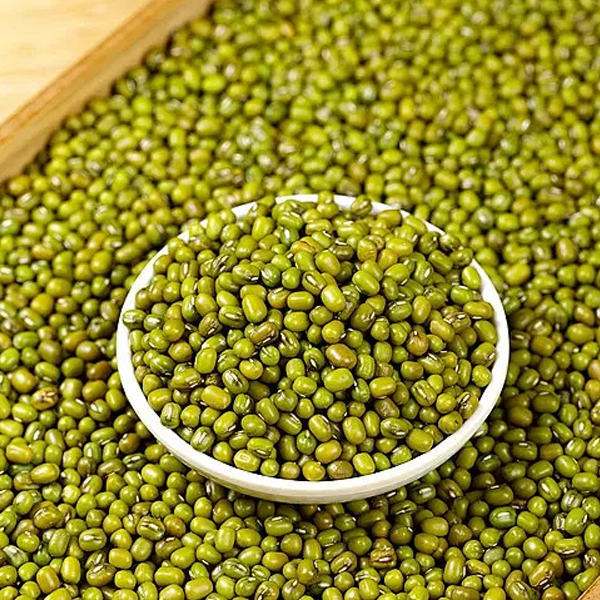
The core problem in mung bean cleaning lies in the difficulty of removing impurities, which directly affects the purity, yield, and processing cost of the finished product.
The types of impurities are complex and difficult to remove:
Light impurities (difficult to completely separate): Broken pods, bean shells, dried stems and leaves, and dust easily adhere to mung beans; during air separation, they are easily blown away along with qualified beans or accumulate and clog the sieve surface.
Heavy impurities (difficult to remove due to similar size): Small stones and clods of soil similar in size to mung beans are difficult to distinguish with ordinary vibrating screens and require a special gravity separator; when damp, soil clumps and adheres to the bean surface, increasing the difficulty of cleaning.
Dissimilar seeds (small differences in shape/weight): Shriveled seeds, insect-damaged seeds, moldy seeds, and wrinkled seeds have a specific gravity close to that of normal beans and are difficult to separate with conventional air separation; weed seeds and discolored seeds (black spots/yellow spots) require color sorting, but are prone to misjudgment.
Common Technical Pain Points and Inherent Equipment Problems in Mung Bean Cleaning Production Lines
I. Poor Raw Material Adaptability: Fluctuations in Dryness, Wetness, and Size Lead to Unstable Cleaning
High moisture content and muddy clumps in raw mung beans easily adhere to the screen surface, clogging the screen holes, significantly reducing screening efficiency and resulting in excessive impurities.
Uneven Mung Bean Sizes from Different Origin Areas Make it Difficult for Fixed Screens to Cover All Sizes: Large screen holes allow small impurities to pass through, while small screen holes trap beans and cause blockages.
Diverse Impurities: Straw, broken seedlings, soil clods, grass seeds, and other beans coexist, making it impossible for a single machine to handle all types of impurities at once.
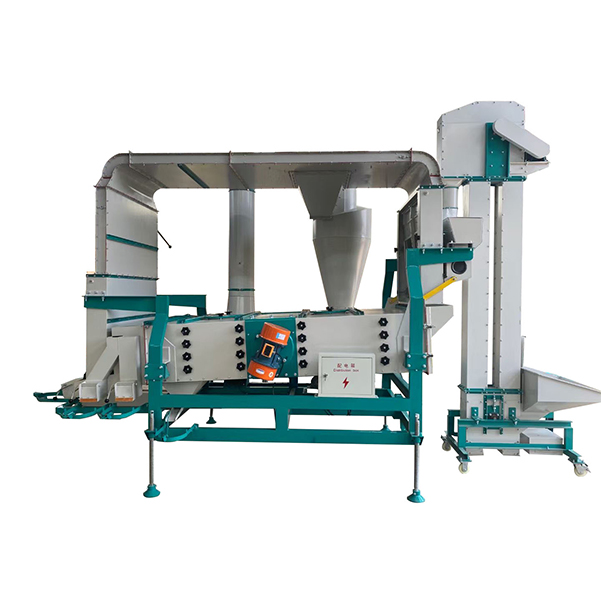
II. Technical Defects in the Pneumatic Screen Cleaner Itself
Uneven Airflow Distribution: Excessive local airflow carries away good beans, resulting in high losses; insufficient local airflow fails to remove light impurities, shriveled beans, and bean skins.
Inappropriate Matching of Screen Surface Structure and Vibration: Incompatible vibration frequency and inclination designs cause mung beans to slide too quickly, resulting in short residence time and insufficient screening; or excessive vibration can cause breakage and peeling.
Screen mesh is prone to wear, deformation, and clogging. Long-term operation causes the screen mesh aperture to enlarge and deform, leading to material leakage and cross-contamination. Damp materials easily clog the holes, requiring frequent manual cleaning.
Incomplete separation of light and heavy impurities. Fine grass seeds, broken grains, and normal mung beans have similar specific gravities, making it difficult for ordinary air screens to completely separate them.
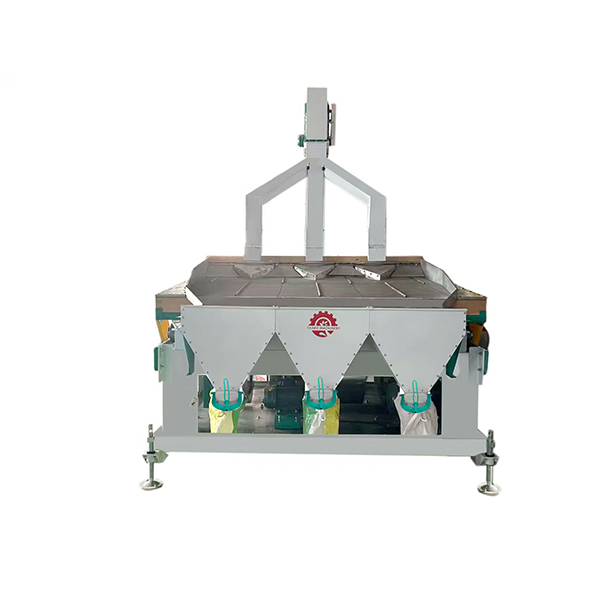
III. Technical Challenges of Gravity Destoning Machines
1. Unstable Layering Effect: Greatly affected by feed rate, humidity, air volume, and tilt angle, even slight parameter changes can disrupt layering, resulting in incomplete destoning or the discharge of good beans along with the stones, increasing losses.
2. Difficulty in Removing Impurities of Similar Specific Gravity: Small clods of soil, sand, and some grass seeds are similar in specific gravity to mung beans, and ordinary gravity destoning machines have limited removal rates.
3. Difficulty in Controlling Material Thickness: Inconsistent feed rates lead to poor layering when the material layer is too thick, and low efficiency and reduced production capacity when the material layer is too thin.
IV. Color Sorter Compatibility and Accuracy Issues
Slight mold spots and shallow brown spots have small color differences: AI recognition easily misses bad grains or mistakenly rejects good beans, resulting in unstable finished product purity.
4. Mung Bean Surface Wrinkles and Dust Interference with Recognition: Dusty mung beans and complex surface textures increase the misjudgment rate of color sorting.
5. Insufficient Identification of Small Grass Seeds and Mixed Beans: Microscopic grass seeds and wild beans of the same color are difficult to remove accurately, affecting the quality of high-end products. V. Problems with the Process Layout and Conveying Technology of the Entire Production Line
Inappropriate Process Sequence: Pre-cleaning followed by fine cleaning, or skipping the initial cleaning step and directly feeding the material into the air screen, leads to large impurities clogging subsequent equipment and accelerated wear.
Damage to Elevators and Conveying Equipment:The bucket elevator operates at excessively high speeds, resulting in large material drop heights. The thin skins of the mung beans are prone to cracking, breaking, and peeling.
Dust and Secondary Pollution:Insufficient dust removal system configuration leads to high dust levels in the workshop. After cleaning, the material becomes dusty again, causing a drop in purity.
Conflict Between Capacity and Precision: Increasing output requires reducing cleaning precision; pursuing high purity necessitates reducing capacity. It is difficult to achieve both high output and high purity simultaneously.
VI. Mechanical Damage and Yield Issues: Multiple equipment transfers and frequent impacts and friction result in high breakage and peeling rates across the entire line, reducing product grade and selling price.
Light impurities are carried over, beans are missed during screening, and beans are carried over during destoning, leading to significant overall cleaning losses and substantial raw material waste.
VII. Automation and Maintenance Issues: Lack of online monitoring necessitates manual parameter adjustments based on experience. Changes in raw materials require repeated testing, resulting in poor stability.
Many vulnerable parts and cumbersome maintenance: screens, air filters, gravity beds, and color sorting lenses require frequent cleaning and replacement.
Lack of versatility: parameters specifically tuned for mung beans require extensive readjustment when switching to red beans, kidney beans, or other varieties.
Post time: May-08-2026