
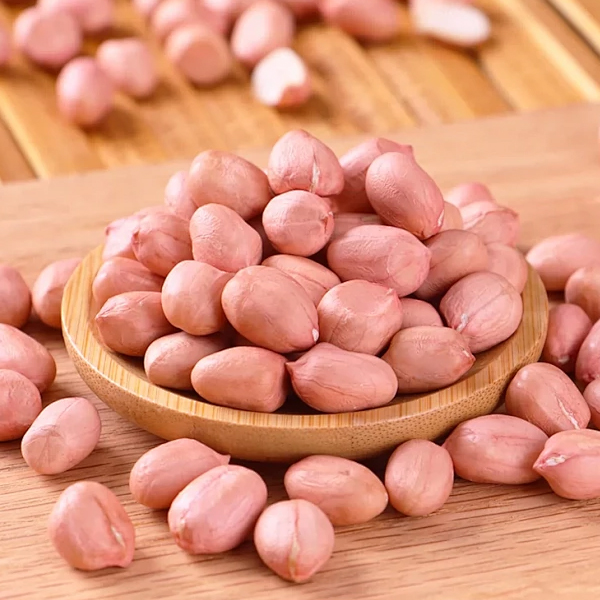
I. Front-end coarse cleaning equipment (first stage of impurity removal, removing large pieces, light impurities, and soil)
1. Primary cleaning screen (vibrating primary cleaning screen)
Removes: large clods of soil, stones, peanut vines, straw, hemp rope, woven bag fragments, and oversized clumps of soil
Principle: Multi-layer grading screen vibrates and grades, large impurities are discharged at the top, and peanuts pass through the screen to the next stage.
Application: First pre-treatment of raw grains purchased and brought to the factory, intercepting large hard objects and protecting the screens of subsequent equipment from damage.
2. Air screen cleaner
Removes: dust, shriveled peanuts, broken shells, broken stems and leaves, light weeds, empty pods, and light debris
Principle: Negative pressure airflow combined with a vibrating screen, light impurities are sucked away by the airflow, while plump peanuts are retained, and the peanuts are graded by particle size.
Advantages: Simultaneously completes air separation and screening; a single machine can replace multiple simple machines in small and medium-sized processing plants, making it highly versatile.
II. Deep impurity removal core equipment (removes stones, side stones, moldy grains, and discolored grains)
1. 1. Gravity Destoner (Peanut-Specific)
Removes: Pebbles, clods of earth, bricks, and heavy sand clumps similar in size to peanuts.
Principle: Vibrating table + adjustable airflow; utilizes the density difference between peanuts and pebbles to create stratification; heavy pebbles are discharged from one side.
Necessity: Essential equipment for peeling machines and oil press rollers, as pebbles are easily crushed.
2. Magnetic Separator
Removes: Magnetic metal impurities such as nails, wires, nuts, and metal shavings.
Installation Location: Elevator discharge port, before and after the destoner; prevents hard objects from abrading the shelling machine and color sorter nozzles.
3. Grading Vibrating Screen
Removes: Broken kernels, small pieces, and large shell fragments; simultaneously sorts peanuts by size.
In-shell peanuts: Separates into large, medium, and small peanuts; Peanut kernels: After grading, peeling and roasting ensure uniformity, facilitating subsequent color sorting.
4. Peanut Color Sorter: A high-precision sorting machine essential for refined processing and export-grade peanuts. Removes: Peanuts in shells: moldy, insect-damaged, sprouted, shriveled, discolored, damaged, or contaminated with stones, glass shards, and foreign grains. Peanut kernels: moldy, aflatoxin-contaminated, scorched, degraded (with red skin removed), insect-damaged, discolored, broken kernels, and shell fragments.
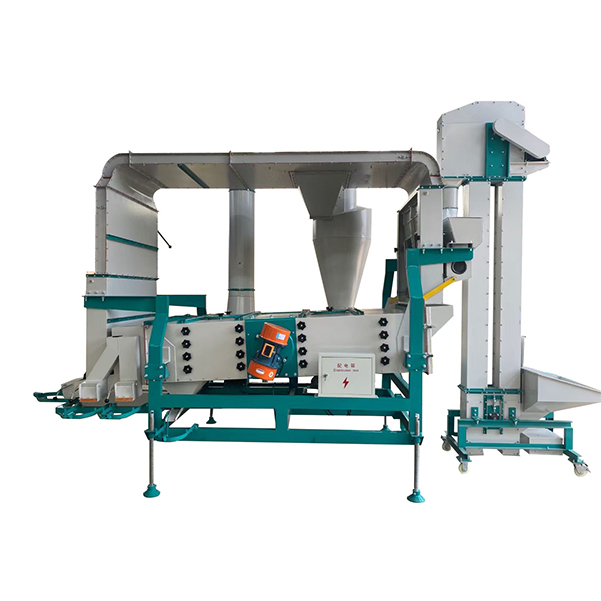
How to choose a suitable peanut impurity cleaning machine?
Complete Selection Solution for Peanut Cleaning machine
I. First, identify 4 core prerequisites for selection
1. Determine the final processing purpose (most critical)
1) Storage and bulk sales of peanuts in shells: Only straw, clods of earth, stones, and dust need to be removed. No high-precision appearance requirements are needed; a basic low-configuration unit is sufficient.
2) Export-grade peanuts in shells, premium gift boxes: Requires no mold, no insect holes, no mud spots, and uniform grading. A color sorter + grading screen + polishing machine is essential.
3) Peanuts to be shelled later (for oil extraction, snack kernels): Focus on protecting the shelling machine at the rear end. Stone removal and magnetic separation must be strengthened. Moderate shell cleanliness is sufficient.
4) Fresh wet peanuts (boiled, braised): Dry air separation is not suitable; a spray brush cleaning line should be used directly. 2. Determine Hourly Processing Capacity:
Small-scale individual farmers: 0.5–1 t/h; Medium-sized processing plants: 2–5 t/h; Large-scale production lines: 8–15 t/h. The feed rates of all equipment must be matched; over-powered equipment or insufficient feed at the front end is not acceptable.
3. Assess the Actual Impurities in Raw Materials:
Field-harvested raw fruit: High content of large vines and mud clumps; a primary cleaning screen is essential.
Mountainous planting: High content of small, side-by-side stones; a gravity destoner is indispensable, and a model with a wider platform should be selected.
Drying on muddy ground: High levels of dust and mud on the shells; increase the air volume of the air classifier or install a polishing machine.
Raw materials affected by moisture during the rainy season: High proportion of sprouted and moldy fruit; a CCD color sorter is necessary.
4. Finished Product Purity Acceptance Standards
Domestic general sales: Impurities ≤1.5%, using only air sieve + destoning basic combination;
Supermarket premium products, foreign trade export: Impurities ≤0.1%, moldy particles 0 detected, must use color sort + grading full set of fine processing configuration.
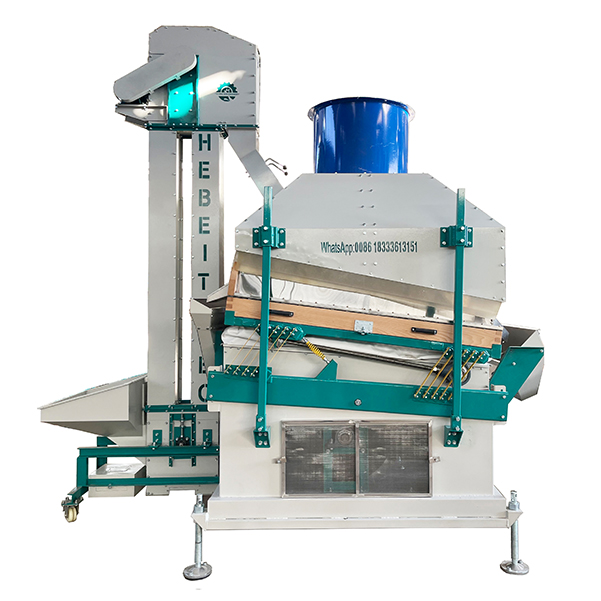
II. Specific Selection Criteria for Single Equipment
1. Primary Cleaning Screen: Vibrating Model
Multi-layer vibrating primary cleaning screen: Higher grading accuracy, can simultaneously separate large and small impurities, suitable for fixed installation in continuous production lines;
Selection taboo: If there is a lot of straw in the raw material but no primary cleaning is used, it is very easy to clog the feed inlet of the elevator.
2. Air Screen Cleaning Machine
1) Fixing Points: Must select a model with a circulating negative pressure air path to prevent dust overflow;
2) Screen Customization: Customize two layers of special screens according to the average length and width of local peanuts, with the upper layer intercepting large impurities and the lower layer allowing fine sand to pass through;
3) Small Capacity Single Unit Integration: Small factories with a capacity of less than 1t/h can directly integrate the air screen machine, without separately disassembling the blower and screen body, taking up less space.
3. Gravity Destoner (Core Stone Removal Equipment)
1) Ordinary flatland peanuts: A standard general-purpose gravity destoner is sufficient;
2) Peanuts from mountainous areas with many stones: Use a peanut-specific model with a double-layer platform and a larger adjustable airflow range, different from the general-purpose model used for wheat and corn;
3) Determining if necessary: If you can see stones of similar size with the naked eye when you grab a handful of peanuts, it cannot be omitted.
4. Grading Vibrating Screen
Domestic bulk sales: Can be omitted, rough grading can be done with a wind screen;
Export and premium packaging: A three-layer grading screen is required to separate large, medium, and small peanuts, and price them accordingly for graded sales;
The number of screen layers is selected as needed, and the hourly production capacity should be aligned with the upstream equipment.
5. Color Sorter Selection
1) Economic CCD Color Sorter: Separates only by color, removing shells with blackened, moldy, or muddy shells, suitable for high-quality domestic products;
2) AI Intelligent Color Sorter: Identifies insect-damaged, cracked, and deformed shells, suitable for export orders;
3) High-end NIR (Near-Infrared) Model: Penetrates the shell to detect mold in the kernel, specifically for high-end peanut exports;
4) Small Capacity Reminder: For small-scale processing below 1 t/h, color sorters can be purchased externally, eliminating the need to buy your own machines and reducing costs.
III. Key Selection Points for Factory Building, Installation, and Supporting Equipment
1) Footprint: Mobile units are suitable for mobile grain collection in rural areas and can be towed in a vehicle; stationary units are suitable for permanent factory layouts, with the equipment fixed in place.
2) Dust Removal Equipment: All dry air separation equipment must be equipped with cyclone dust collectors to ensure workshop dust levels meet standards and prevent secondary backflow of light impurities into the finished product.
3) Energy Consumption Compatibility: Small units use 220V residential voltage, while large and medium-sized production lines use 380V industrial power. Power distribution should be checked in advance.
4) Versatility Considerations: If soybeans and other grains will be processed later, multi-crop universal air sieves and gravity separators can be selected; if peanuts are only processed long-term, peanut-specific screens and workbenches can be directly customized.
Post time: Jun-11-2026