
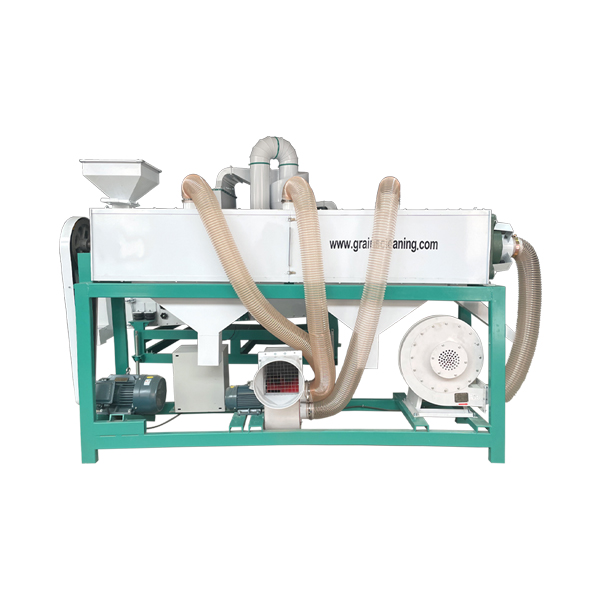
The polishing machine serves as the final stage of precision finishing equipment in the bean cleaning process. Its primary functions are to perform deep impurity removal, enhance surface luster, elevate overall quality and added value, and provide high-quality material for subsequent operations, such as color sorting.
Surface Purification: Removes residual surface dust, soil specks, mold, blemishes, seed coat fragments, and “muddy patches” from the beans, achieving a thorough, deep clean.
Luster Enhancement:Through gentle friction, the machine renders the bean surfaces smooth, translucent, and uniform in color, thereby significantly improving their visual appeal and commercial grade.
Color Sorting Support: Minimizes surface color variations and impurity interference, boosting the recognition accuracy of color sorters by over 30%, reducing mis-sorting errors, and increasing the yield of qualified finished products.
Low-Loss Preservation: Employs a gentle polishing technique that, while removing impurities and enhancing luster, safeguards the structural integrity of the beans—preventing breakage and minimizing material loss.
Added Value Creation: Polished beans command a premium price, thereby enhancing market competitiveness; this equipment is ideally suited for applications in food processing plants, bean product manufacturing facilities, and seed processing operations.
Working Principle
1. Core Mechanism: The system centers on a combination of spiral conveying, flexible friction, and air-screen impurity removal, achieving both polishing and purification through multi-directional friction and airflow classification.
2. Feeding and Distribution: Beans enter through the feed inlet and are evenly spread within the feed cylinder, ensuring a smooth and uniform flow of material into the polishing chamber.
3. Flexible Friction Polishing: A motor drives a spiral polishing shaft (fitted with fixed pure cotton cloth rolls or flexible polishing components) to rotate. As the beans undergo fluidization, they simultaneously experience a triple-friction action—between the cloth rolls and the beans, between individual beans, and between the beans and the sieve plate—thereby efficiently stripping away surface impurities and enhancing their luster.
4. Conveyance and Retention: The polishing components are arranged at specific angles and intervals; as they rotate, they simultaneously apply friction and spiral-convey the beans toward the discharge outlet. A pressure-regulating device at the outlet allows for extended polishing duration, thereby guaranteeing optimal results.
5. Impurity and Dust Removal:Dust and debris dislodged during friction fall through the sieve mesh into a dedicated waste collection bin. Light impurities are drawn away by a centrifugal fan via negative pressure, while heavier impurities are expelled through a separate impurity outlet, ensuring that the polishing and purification processes are completed simultaneously
6. Discharge:The polished, clean, and lustrous beans are discharged through the outlet, ready to proceed to the next stage of processing (such as color sorting or packaging).
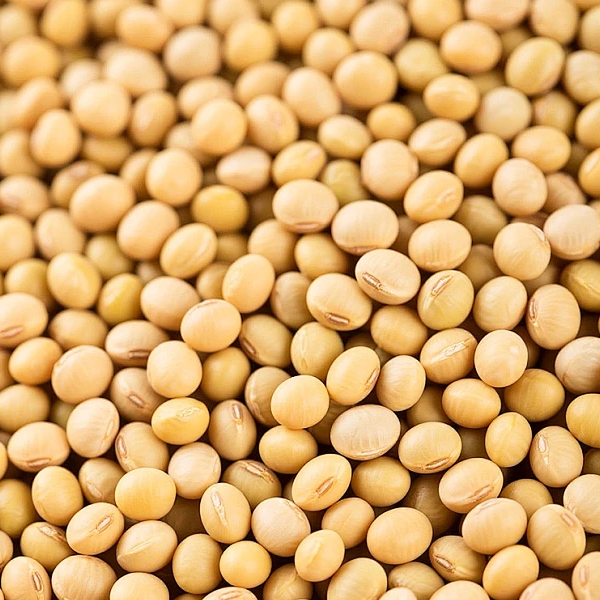
The Impact of the Polishing Machine’s Spiral Shaft Speed on the Cleaning and Polishing Effectiveness of Legumes
I. The Effects of Excessive Rotational Speed
Excessive Polishing Friction
When the shaft speed is too high, the intense collision and friction occurring between the legume grains—as well as between the grains and the polishing cloth rolls or sieve plates—result in excessive surface abrasion. This easily strips away the seed coats and damages the grains themselves, leading to the generation of broken and de-skinned beans, thereby causing a significant increase in the damage rate of the finished product.
Reduced Material Residence Time
High-speed spiral propulsion accelerates the flow rate of the material excessively; consequently, the legumes spend insufficient time within the polishing chamber. This lack of dwell time prevents the complete removal of surface dust, mud spots, and mold traces, resulting in an incomplete polish, insufficient luster, and a failure to thoroughly eliminate impurities.
Surge in Dust and Debris
The intense friction generates substantial quantities of seed coat fragments and bean flour, placing an increased load on the dust removal system. This often leads to blockages within the air ducts and significant airborne dust dispersion; furthermore, these particles can re-adhere to the surfaces of the legume grains, thereby counterintuitively compromising the overall cleanliness of the product.
Increased Equipment Wear and Tear
High-speed operation accelerates the wear and tear of the polishing cloth rolls and places increased mechanical stress on the bearings and transmission components. This leads to a higher incidence of equipment malfunctions and necessitates shorter maintenance intervals.
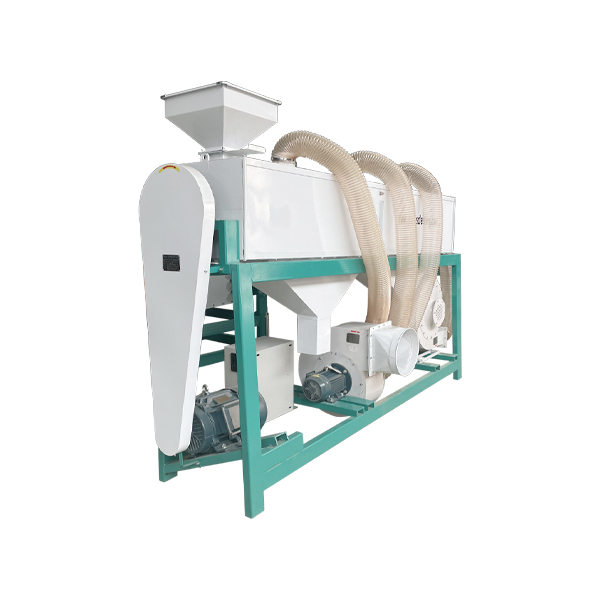
II. The Effects of Excessively Low Rotational Speed
Insufficient Frictional Force
When the rotational speed is too slow, the beans exhibit poor flow characteristics and weak mutual abrasion. Consequently, surface dirt specks, superficial mold, and grime cannot be effectively stripped away; the polishing and brightening effects are poor, resulting in dull-looking beans with substandard visual quality.
Material Stagnation and Blockage Accumulation
Insufficient helical propulsion force causes materials to convey slowly within the polishing chamber, leading to material accumulation and blockages. In severe cases, material may even backflow or cause the machine to stall, preventing the production line’s throughput from keeping pace with the operational rhythm of the upstream and downstream equipment.
Poor Polishing Uniformity
Some beans may stagnate and undergo prolonged friction in specific areas, while others flow through too rapidly. This results in uneven polishing depths and finished products with inconsistent coloration.
III. The Benefits of an Appropriate Rotational Speed
Moderate Frictional Force: Effectively removes surface dust, dirt specks, and mold spots without abrading the bean skins or causing fragmentation, thereby keeping the breakage rate under control.
Smooth Material Conveyance: Ensures stable material flow and balanced residence times within the polishing chamber, resulting in a batch of beans with uniform brightness and consistent visual quality.
Production Line Synchronization: Matches the production line’s output capacity without causing blockages or machine stalls; maintains a manageable dust-removal load and ensures stable overall machine operation.
IV. Practical Adjustment Principles
Small-grained beans (Mung beans, Red beans, Kidney beans): Use a slightly lower rotational speed to prevent skin abrasion and fragmentation.
Large-grained, hard beans (Soybeans, Black beans, Chickpeas): A slightly higher rotational speed may be used to enhance polishing cleanliness.
Heavily soiled raw materials with numerous dirt specks:Slightly increase the rotational speed *and* adjust the discharge baffle to extend the material’s residence time.
Requirements for high structural integrity and minimal skin abrasion: Appropriately decrease the rotational speed, compensating for the reduced intensity by increasing the polishing duration.
Post time: May-07-2026